How Often Should You Lubricate Treadmill Deck? Schedules
Maintaining proper deck lubrication prevents premature motor burnout. Regular service extends belt and board lifespan significantly.


Lubricate your treadmill deck every 150 miles or three months of standard usage. Always check manufacturer guidelines before applying pure silicone formulas.
Ready to compare models? Start with our Best Treadmill: Top Home Cardio & Under-Desk Picks (2026).
Practical Quick-Reference Table
| Scenario / Metric | Recommended Target | Why It Matters |
|---|---|---|
| Light Walking Usage | Every 6 months or 200 miles | Low speed generates minimal friction heat. |
| Heavy Running Usage | Every 2 to 3 months or 100 miles | High impact requires frequent thermal protection. |
| Silicone Viscosity | 100 percent pure polydimethylsiloxane | Prevents chemical breakdown of rubber belts. |
| Application Volume | 1 to 1.5 ounces per service | Avoids pooling and dangerous belt slipping. |
| Post-Lubrication Test | Walk at 1.5 mph for 5 minutes | Distributes lubricant evenly across the board. |
| Deck Material Check | Annual phenolic inspection | Identifies irreversible wear and splintering. |
Understanding Deck Friction And Lubrication Intervals
Mechanical friction builds continuously between the moving running belt and the stationary deck. Without proper lubrication, heat degrades both components rapidly.
Operating an unlubricated surface forces the drive motor to draw excessive electrical current. This thermal overload can fry the control board permanently.
Establishing a strict maintenance cadence protects your financial investment in fitness equipment. Most manufacturers specify exact timeframes based on average weekly workouts.
Ignoring these vital intervals leads to premature belt fraying and catastrophic deck delamination. Routine upkeep ensures smooth mechanical transitions during every stride.
Excessive friction between the running belt and the phenolic deck generates intense heat, destroying drive motors. Evaluating impact forces via our treadmill deck guide prevents premature thermal breakdown.
Standard walking pads demand frequent attention due to lower-grade polymers and compact chassis designs. Check your manufacturer manual for exact mileage thresholds before applying fresh fluid.
High-end commercial units often feature wax-infused decks requiring radically different servicing intervals compared to standard residential models. Always verify your specific deck material construction first.
Ignoring recommended application windows causes amp draw spikes that strain the controller board. Consistent upkeep protects your investment and ensures exceptionally smooth, uninterrupted belt rotation.
- Friction generates damaging thermal energy beneath the belt.
- Dry decks increase motor amperage draw and thermal load.
- Consistent scheduling prevents costly premature hardware replacements.
- Manufacturer guidelines serve as the primary operational baseline.
Physics of Belt and Board Interaction
Every footstrike applies vertical compression forces directly onto the running belt surface. This pressure forces the belt tightly against the underlying composite deck.
Without a microscopic barrier of silicone, raw friction coefficients spike dramatically. Shear stress then tears apart the bottom fabric layer of the belt.
- Vertical compression maximizes contact area friction.
- Silicone barriers eliminate direct material-to-material contact.
Assessing Usage Hours And Mileage Milestones
Tracking actual running distance provides the most accurate maintenance trigger available. Most residential machines require fresh lubrication every 150 to 200 miles.
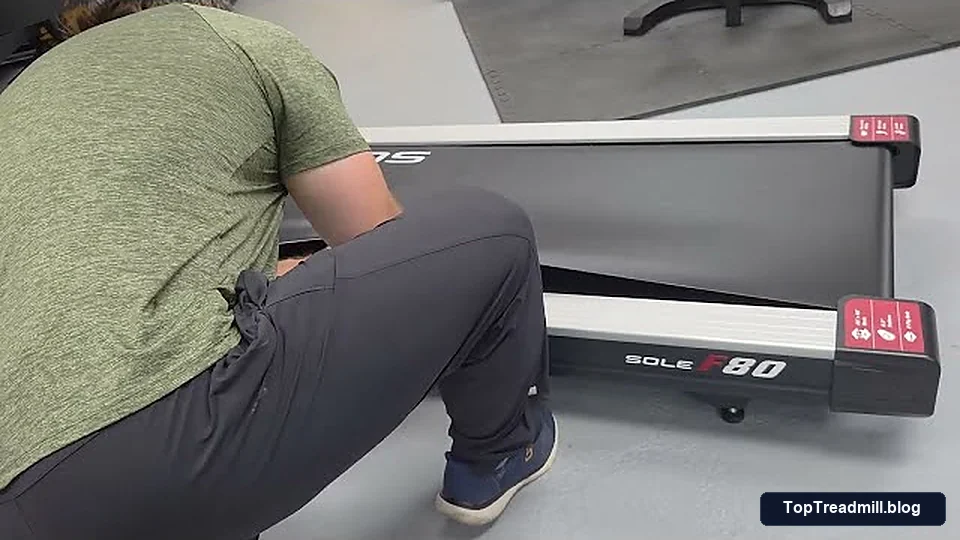
If your console lacks an odometer, estimate your schedule using weekly hours. Running four hours weekly typically demands service every twelve weeks reliably.
Commercial settings require exponentially tighter intervals due to constant daily operation. Facilities often consult our walking pad comparison before servicing heavy-duty equipment to prevent sudden mechanical failures.
Heavier users exert more downward pressure, accelerating lubricant breakdown beneath the feet. Adjust your baseline mileage downward if primary runners exceed 250 pounds.
Heavy households logging over forty miles weekly require monthly lubrication checks. Moderate users running under twenty miles weekly can safely extend maintenance to every ninety days.
Track cumulative workout hours on your console if mileage metrics are unavailable. Most treadmills trigger a service indicator light after reaching one hundred fifty hours.
Walkers exert higher continuous downward pressure over smaller surface areas, accelerating lubricant depletion rates. Adjust your overall maintenance schedule based on the primary user weight profile.
Strictly ignoring these core operational milestones leads to irreversible deck delamination. Keep a physical maintenance log near the machine to track exact application dates.
- Odometer tracking offers superior accuracy over calendar months.
- Weekly workout hours help estimate service timing easily.
- Commercial environments demand accelerated bi-weekly maintenance cycles.
- User weight dictates how quickly silicone film dissipates.
Calculating Personal Usage Metrics
Multiply your average daily session distance by your weekly workout frequency. This calculation yields your monthly mileage total for maintenance tracking.
Divide your target service mileage by your monthly total to find exact calendar intervals. Mark these calculated dates on your household calendar immediately.
- Multiply daily distance by weekly frequency totals.
- Divide target mileage by monthly output for dates.
Video Walkthrough: How To Lubricate Your Treadmill - The Number One Problem We Fix
Evaluating Material Composition And Factory Coatings

Modern running decks feature various composite materials like phenolic-coated medium density fiberboard. These engineered boards rely on factory-embedded lubricants during construction.
Over time, factory treatments evaporate or squeeze out toward the deck edges. Supplementing this loss with approved silicone restores the required glide properties.
Never apply petroleum-based oils or cooking sprays to your treadmill deck. Using dimensions from our deck size calculator prevents dangerous slip hazards and protects belt polymers.
Always verify your specific deck type before purchasing aftermarket liquid lubricants. Using the wrong viscosity chemical can permanently ruin your running surface.
Modern running decks utilize laminated high-density fiberboard coated with durable phenolic resin. This specialized surface minimizes friction against standard polyester-cotton weave belts.
Never apply petroleum-based lubricants or generic household oils to your deck surface. Doing so permanently degrades the factory coating and voids valid motor warranties.
Reversible decks double lifespan by allowing owners to flip the board once wear appears. Inspect the unused underside for manufacturing flaws before performing a belt flip.
Carefully understanding your specific deck thickness helps determine appropriate fastener torque specifications. Standard commercial boards measure one inch thick, whereas residential models often vary.
- Phenolic boards require specialized chemical compatibility maintenance.
- Factory treatments naturally dissipate during standard heavy usage.
- Petroleum solvents permanently degrade internal rubber belt structures.
- Verify chemical viscosity ratings before applying any liquid.
Identifying Wax Versus Silicone Systems
Certain modern treadmills utilize factory wax-impregnated decks instead of liquid silicone. These specialized systems prohibit liquid applications and require specific manufacturer kits.
Consult your user manual to confirm whether your hardware uses wax or silicone. Applying liquid to a waxed deck ruins the friction profile.
- Wax systems reject liquid silicone applications completely.
- Consult user manuals to identify exact deck requirements.
Executing Proper Silicone Application Techniques Safely
Always unplug your equipment from the electrical outlet before servicing internal components. Safety isolation prevents accidental motor engagement during maintenance procedures.
Loosen the rear roller bolts equally to create slack for hand access. Slide your hand holding the silicone bottle beneath the center belt.
Apply a thin zigzag pattern of pure silicone across the deck surface. Use roughly one ounce of fluid to avoid messy overflow issues.
Retighten your rear roller bolts carefully while maintaining proper belt alignment tension. Center tracking adjustments prevent rubbing against side rail guards.
Always unplug the treadmill completely from the wall outlet before loosening rear roller bolts. This prevents accidental electrical shock and sudden moving part hazards.
Carefully insert the nozzle applicator beneath the center of the belt, applying a zig-zag pattern. Use precisely one ounce of pure liquid silicone fluid.
Newly re-tightened bolts must maintain equal thread counts on both sides to preserve belt tracking. Misaligned belts rub against frame edges and cause premature fraying.
Run the machine safely at a slow speed of one mile per hour for five minutes. This distributes the lubricant evenly across the entire friction surface.
- Disconnect electrical power before opening motor or deck hoods.
- Loosen rear rollers to access central deck areas safely.
- Dispense exactly one ounce of pure silicone fluid.
- Realign and retension running belts following maintenance.
Step-by-Step Distribution Protocol
After applying the fluid, walk slowly on the belt at 1.5 mph for five minutes. This slow movement spreads the silicone evenly across the board.
Wipe away any excess lubricant that squeezes out along the side margins. Clean decks prevent dust accumulation and slippery footing hazards.
- Walk slowly for five minutes to distribute fluid.
- Remove excess side margins to stop dust buildup.
Diagnosing Dry Deck Symptoms And Warning Signs
Recognizing early warning signs prevents expensive repairs and unexpected equipment downtime. A dry deck often causes the running belt to hesitate momentarily.
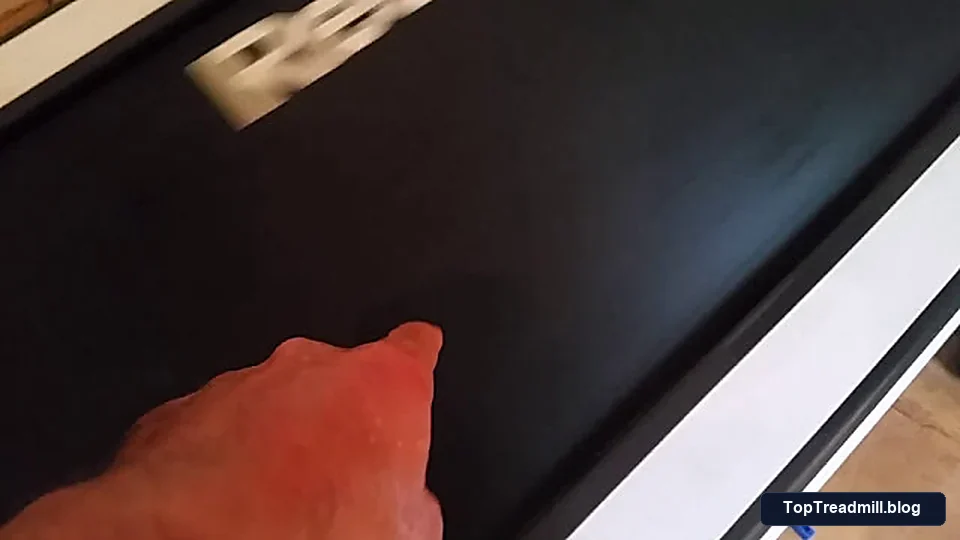
Place your hand beneath the center of the belt to check moisture. If the board feels completely dry and warm, immediate lubrication is mandatory.
Listen closely for unusual squeaking or scratching noises during footstrikes. Unlubricated friction creates distinct acoustic warnings before total failure occurs.
Monitor your console for erratic speed fluctuations or sudden motor error codes. Excessive friction frequently triggers internal thermal shutdown protection circuits.
A distinct burning plastic smell during workouts indicates severe friction between the belt and deck. Stop exercising immediately to prevent catastrophic main motor controller failure.
Sudden hesitation or stuttering under foot strike points directly toward insufficient lubrication. The belt drags momentarily before catching up to the drive roller rotation.
Slide your hand beneath the middle of the running belt when powered off. If the surface feels completely bone dry, apply fresh silicone lubricant right away.
Unexplained electronic error codes on the LED display often correlate with high motor load. Address friction issues before replacing expensive parts like the drive motor.
- Belt hesitation during footstrikes indicates severe friction.
- Touch tests beneath the belt reveal dryness instantly.
- Acoustic squeaks signal immediate need for liquid maintenance.
- Motor error codes often stem from high deck drag.
Video Walkthrough: BowFlex Lube and Belt Guide
Environmental Factors Impacting Maintenance Schedules
Home gym environments directly influence how quickly treadmill lubricants evaporate or degrade. Selecting machines from our best treadmill roundup ensures superior durability against dust and high ambient contamination.
Dust and pet hair drawn beneath the running belt absorb liquid silicone rapidly. Higher ambient contamination requires more frequent cleaning and servicing cycles.
Garage gym setups experience extreme seasonal temperature shifts affecting fluid viscosity. Colder winter environments demand careful monitoring of deck glide performance.
Keep your workout area clean to maximize the lifespan of applied lubricants. Vacuum underneath your equipment monthly to minimize airborne debris ingestion.
High ambient room humidity introduces moisture that degrades silicone formulas and attracts airborne dust. Clean your deck more frequently in damp, unconditioned basement gym settings.
Particularly dusty environments accelerate particle buildup underneath the running belt, creating an abrasive paste. Vacuum around the motor hood and deck edges every two weeks.
Garage gym setups experience extreme temperature swings that alter lubricant viscosity. Check fluid spread more often during changing seasonal transitions to ensure smooth, optimal belt glide.
Climate-controlled indoor spaces minimize environmental degradation, allowing users to follow standard manufacturer timelines safely. Protect your valuable machine from direct harmful sunlight exposure.
- Low ambient humidity accelerates silicone fluid evaporation rates.
- Dust and pet hair absorb lubricants beneath belts.
- Garage temperature swings alter chemical viscosity performance.
- Monthly vacuuming prevents airborne debris from contaminating decks.
Comprehensive Post-Lubrication Testing Protocols
Following any maintenance service, execute a systematic testing protocol to ensure safety. Start the running belt at a slow walking speed without stepping on.
Observe the belt tracking carefully to ensure it stays centered between rails. Adjust the rear alignment bolts if the belt drifts sideways.
Step onto the belt cautiously while holding safety handrails tightly. Test for smooth glide characteristics without any hesitation or grabbing sensations.
Verify that no excess lubricant pooled onto the floor beneath the machine. Clean floors prevent dangerous slips around the exercise equipment.
After applying fresh silicone, test belt tracking by walking at a moderate pace. Adjust the left and right tension bolts if the running belt drifts sideways.
Listen carefully for unusual squeaking noises emanating from the rollers or bearings. Smooth, quiet operation confirms that the lubrication distribution is complete and even.
Wipe away any excess silicone that leaked onto the outer side rails. Slippery plastic side rails create a safety hazard when users step off mid-stride.
Monitor your treadmill console during a full ten-minute test run to verify normal amperage draw. Proper maintenance ensures long-term reliability and peak equipment performance.
- Run idle belt tests before stepping onto equipment.
- Check lateral tracking alignment to prevent rail friction.
- Perform cautious weight tests to confirm smooth gliding.
- Inspect surrounding floors for spilled silicone droplets.
Frequently Asked Questions
How can I tell if my treadmill deck needs lubrication right now?
Slide your hand palm-up beneath the center of the running belt. If the wooden board feels completely dry and lacks any oily residue, apply pure silicone immediately.
Can I use standard household WD-40 or cooking spray on my treadmill?
Never use petroleum-based lubricants or cooking sprays on your treadmill deck. These substances destroy internal belt polymers, attract heavy dust, and create severe fire hazards.
What happens if I accidentally put too much silicone lubricant on the deck?
Excessive lubricant causes the running belt to slip dangerously during footstrikes. Wipe away surplus fluid immediately and run the belt slowly to distribute remaining oil.
Does a brand new treadmill need to be lubricated right out of the box?
Most new treadmills feature factory lubrication sufficient for the first few months. Always check your specific owner manual before performing unnecessary initial service operations.
Should I lubricate both the running belt and the walking deck surface?
Apply the silicone lubricant strictly to the top surface of the wooden deck. Never spray the top running side of the belt where your shoes make contact.