Walking Pad vs Treadmill: Technical Equipment Verdict
Choosing the right indoor locomotion device demands understanding motor specs, chassis rigidity, and spatial footprints. Let us evaluate structural engineering differences to match your biomechanical needs.

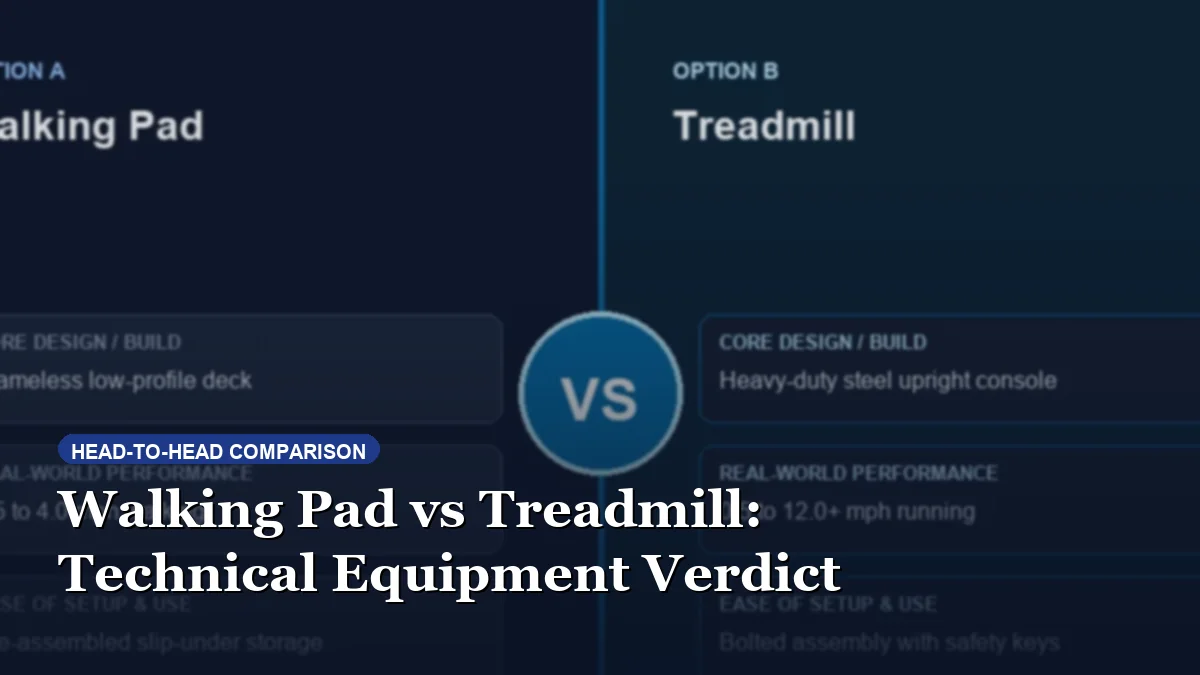
Choose a walking pad for compact under-desk office integration and low-speed steps. Select a traditional motorized treadmill for high-speed running, structural stability, and advanced incline training.
Compare all top models in our Best Treadmill: Top Home Fitness Picks (2026 Guide).
Side-by-Side Breakdown
| Criteria | Walking Pad | Treadmill | Edge |
|---|---|---|---|
| Core Design / Build | Frameless low-profile deck | Heavy-duty steel upright console | Treadmill |
| Real-World Performance | 0.5 to 4.0 mph walking | 0.5 to 12.0+ mph running | Treadmill |
| Ease of Setup & Use | Pre-assembled slip-under storage | Bolted assembly with safety keys | Walking Pad |
| Durability & Reliability | Brushless DC motors with 220lb limits | High-torque AC/DC motors with 300lb+ capacities | Treadmill |
| Efficiency / Operating Footprint | Minimalist footprint drawing under 500 watts | Large spatial footprint drawing 15+ amps | Walking Pad |
| Maintenance Requirements | Periodic silicone belt lubrication | Deck flipping, belt tracking, and tension calibration | Walking Pad |
| Best Ideal Use Case | Standing desk multitasking and casual indoor steps | Dedicated cardiovascular endurance running | Tie |
Core Design & Engineering Differences
Walking pads prioritize ultra-low profiles, eliminating upright console masts to fit seamlessly beneath standing desks. Their chassis engineering uses lightweight aluminum alloys to reduce overall deadweight for effortless repositioning.
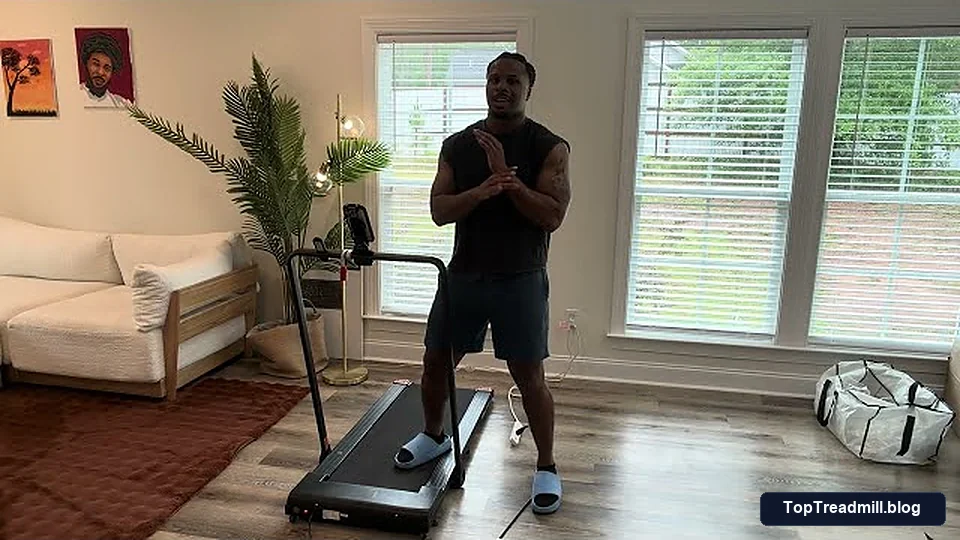
Traditional treadmills feature heavy-gauge steel uprights designed to absorb vertical kinetic forces during aggressive running strides. This rigid architecture supports heavy console electronics and multi-ply running belts built for endurance.
Traditional treadmills utilize heavy-duty steel frames and high-horsepower drive motors built for sustained running. Conversely, models analyzed in our detailed sperax walking pad review prioritize compact footprints by omitting vertical console masts entirely.
Engineering constraints dictate that walking pads feature lower-profile decks with minimal incline mechanisms. Standard running machines incorporate robust elevation actuators capable of steep inclines, requiring much deeper structural clearances beneath the belt.
- Ultra-slim walking decks measure under five inches in total vertical height.
- Upright treadmills integrate steel handrails rated for high lateral pulling forces.
- Walking pads omit emergency stop tethers in favor of infrared optical foot sensors.
Motor Architecture and Drive Systems
Walking pads typically employ compact brushless direct-current motors engineered for sustained low-speed torque. These drives operate quietly at minimal RPMs, preventing disruptive hums during office conference calls.
Conventional treadmills utilize larger continuous-duty motors capable of maintaining stable speeds under heavy foot strikes. Their flywheel sizing ensures smooth momentum transitions across rapid velocity accelerations.
- Brushless motors minimize internal friction and extend unit lifespan.
- Continuous-duty motors deliver sustained torque for heavy runner weights.
Real-World Performance Comparison
Walking pads restrict maximum speeds to roughly four miles per hour, safely capping velocity for office multitasking. Attempting to sprint on these short decks introduces severe tripping hazards due to limited belt real estate.
Standard treadmills accommodate velocities exceeding twelve miles per hour, supporting comprehensive marathon training regimens. Their generous running surfaces provide ample clearance for full-extension running strides at high speeds.
Under heavy foot strikes, traditional treadmills maintain superior stability due to massive overall weight and reinforced decks. Walking pads often exhibit slight deck flex, which reduces impact shock during gentle strides but limits high-speed running.
Maximum belt speeds on standard treadmills reliably reach 12 mph or higher to support rigorous training. Most walking pads cap velocities around 4 mph, strictly tailoring their output parameters toward active desk work and casual movement.
- Walking pads offer zero mechanical incline options to save internal space.
- Standard treadmills feature motorized inclines reaching fifteen percent elevation grades.
- Running belts exceed fifty inches in length to accommodate long strides.
Biomechanical Impact and Cushioning
Walking pad cushioning relies on minimal EVA foam layers, prioritizing stable office standing. Buyers exploring options in our best walking pad treadmill guide will notice these low-impact designs lack running suspension.
Full-sized treadmills incorporate sophisticated elastomer shock absorption systems to mitigate joint stress. These deck suspension designs protect knees and ankles from repetitive high-impact ground reaction forces.
- Elastomer cushions absorb up to thirty percent of running impact shock.
- Firm walking decks prevent ankle instability while typing at desks.
Maintenance, Efficiency & Longevity
Maintaining a walking pad requires occasional silicone oil lubrication beneath the slim belt. Readers browsing our best walking pad for seniors guide will find that light motor loads ensure minimal wear.
Conventional treadmills demand rigorous upkeep, including bi-annual belt centering, deck waxing, and dust vacuuming. Their high-torque motors and heavy-duty drive belts experience greater thermal stress during intense running sessions.
Regular lubrication is vital for minimizing friction between the running belt and phenolic deck. Walking pads require frequent silicone oil applications because their compact enclosed rollers accumulate heat faster during continuous walking sessions.
Electrical efficiency varies significantly based on motor design and continuous load demands. Standard machines draw substantial current for heavy flywheels, while walking pads utilize low-draw brushless motors optimized for prolonged low-speed operational cycles.
- Walking belts need manual lateral tension adjustments using hex wrenches.
- Upright treadmills require regular lubrication of phenolic running decks.
- Electrical components demand dedicated circuits to prevent breaker tripping issues.
Energy Consumption and Power Draws
Walking pads draw modest electrical current, typically consuming under five hundred watts during active operation. This low power draw allows safe plug-in sharing with standard office surge protector strips.
Heavy-duty treadmills demand substantial electrical power, frequently pulling fifteen to twenty amps under load. Operating these machines requires dedicated wall circuits to prevent blown household fuses during workouts.
- Low-wattage motors reduce monthly utility overhead significantly.
- High-draw motors require unshared wall outlets for safe operation.
Which Option Fits Your Setup
Selecting between these devices hinges primarily on your available floor space and fitness goals. Remote workers seeking passive movement often prefer compact walking pads that slide effortlessly under furniture.
Dedicated runners must prioritize robust stability, wide running paths, and substantial motor horsepower. Investing in a full-sized treadmill ensures safety and performance longevity for serious cardiovascular training programs.
Selecting the appropriate equipment requires carefully evaluating your available floor space and primary fitness objectives. Dedicated running units demand permanent room allocation, whereas folding walking pads slide effortlessly under standard office desks or low furniture.
Users prioritizing intense marathon training must invest in a full-sized running platform. Individuals seeking to combat sedentary work habits often choose models featured within our best walking pad for tall people roundup.
- Measure vertical clearance before placing equipment beneath adjustable desks.
- Evaluate user weight against manufacturer maximum load specifications strictly.
- Consider folding mechanisms if floor space requires frequent room clearing.
Spatial Footprint and Storage Logistics
Walking pads excel in minimalist apartments where permanent fitness equipment creates visual clutter. Their slim profiles allow vertical leaning against walls or horizontal storage beneath standard beds.
Traditional treadmills dominate room layouts due to massive steel frames and fixed consoles. Even folding models require significant clearance and heavy lifting capabilities during seasonal room reconfigurations.
- Vertical storage locks prevent accidental tipping in tight spaces.
- Transport wheels facilitate relocation despite heavy steel frame weights.
Ergonomics and User Interface Design
Walking pads utilize minimalist LED displays embedded directly into the front motor housing. Users control speed adjustments via handheld infrared remotes or automated foot-zone sensors detecting stride pacing.
Standard treadmills feature comprehensive console command centers equipped with safety tethers and tactile buttons. These ergonomic interfaces display real-time metrics including heart rate, incline grade, and elapsed time.
Traditional models feature comprehensive console displays with physical safety keys, heart rate telemetry grips, and preset programs. Walking pads rely heavily on minimalist remote controls or automated foot-sensing speed zones embedded within the deck structure.
Proper posture maintenance differs dramatically between these two distinct fitness device categories. Full-sized units encourage upright running mechanics, whereas walking pads require conscious effort to avoid leaning awkwardly on adjacent standing desk surfaces.
- Remote controls eliminate awkward reaching while working at standing desks.
- Console armrests provide secure hand placement during high-speed intervals.
- Integrated heart rate grips monitor cardiovascular exertion levels accurately.
Safety Mechanisms and Emergency Protocols
Walking pads lack traditional magnetic safety lanyards, relying instead on automated infrared deceleration zones. Stepping too close to the front edge triggers automatic belt slowing to prevent falls.
Traditional treadmills mandate physical safety keys attached to clothing via braided cords. Pulling this tether instantly cuts motor power, safeguarding runners against catastrophic falls during high-speed equipment malfunctions.
- Magnetic lanyards provide foolproof emergency shutoff protection for runners.
- Infrared sensors prevent accidental walking acceleration past the deck boundary.
Build Materials and Frame Integrity
Walking pad chassis construction utilizes lightweight extruded aluminum to minimize deadweight and ease transport. This flexible material choice keeps manufacturing costs low while maintaining structural integrity for walkers.
Heavy-duty treadmills rely on welded structural steel frames to eliminate flex during heavy running. This solid metal construction prevents frame twisting under intense lateral forces exerted by aggressive runners.
Heavy structural steel fabrication gives traditional running machines exceptional torsional rigidity under intense athletic loads. Walking pads utilize lightweight extruded aluminum components to achieve portability without sacrificing essential load-bearing structural integrity during light exercise.
Deck composition directly impacts long-term durability and joint protection across both equipment variants. High-grade phenolic resin boards resist warping, ensuring consistent cushioning and reliable performance over thousands of cumulative operational hours.
- Aluminum frames resist corrosion in humid home office environments.
- Steel weldment joints ensure long-term structural fatigue resistance.
Deck Materials and Deck Life
Walking pads feature thin composite fiber decks coated with low-friction wear layers. These compact panels support lighter loads effectively without requiring thick structural reinforcement beneath the belt.
Traditional treadmills employ thick phenolic-coated hardwood decks designed to withstand repetitive impact. Reversible decks can be flipped mid-lifespan, doubling the structural durability of the running platform.
- Phenolic coatings reduce friction between belt and deck surfaces.
- Reversible decking extends the operational lifespan of heavy treadmills.
Noise Emissions and Acoustic Profiles
Walking pads generate minimal mechanical noise due to their enclosed brushless motor designs. This acoustic discretion ensures uninterrupted phone conversations and silent operation in shared household or office spaces.
Traditional treadmills produce distinct mechanical hums and heavy foot-strike thuds during running. Their cooling fans and high-speed drive belts create noticeable ambient sound requiring careful room placement.
Acoustic output remains a critical factor for shared living spaces and multi-story apartment buildings. Walking pads generally produce lower mechanical noise levels, though footfall vibration can still transfer directly into hardwood subfloors without mitigation mats.
Full-sized running units generate considerable motor hum and heavy belt friction sounds during high-speed training. Selecting equipment with robust internal dampening significantly reduces annoying low-frequency vibrations that frequently disturb downstairs neighbors and housemates.
- Brushless motors eliminate high-pitched electrical whining sounds entirely.
- Floor mats mitigate structural vibration transmission through multi-story flooring.
Acoustic Mitigation in Shared Spaces
Apartment dwellers benefit immensely from the quiet operation of modern walking pads. Placing high-density rubber mats beneath the chassis further dampens minor operational vibrations transferred to subfloors.
Running on conventional treadmills in multi-family buildings demands specialized sound dampening solutions. Heavy impact forces require thick equipment pads to prevent disturbing downstairs neighbors during early morning workouts.
- Rubber equipment mats absorb high-frequency impact vibrations successfully.
- Sound isolation platforms protect lower-floor residents from running thuds.
Frequently Asked Questions
Can you run on a standard walking pad safely?
No, walking pads feature short decks and low-speed motors restricted to walking speeds. Attempting to run creates severe tripping hazards and damages internal drives.
How often should you lubricate a walking pad belt?
Apply specialized silicone lubricant beneath the belt every three months or after fifty operating hours. Regular maintenance prevents excessive motor friction and belt wear.
Do traditional treadmills require a dedicated electrical circuit?
Yes, heavy-duty running motors frequently draw fifteen to twenty amps during intense intervals. Connecting them to shared circuits can trip household circuit breakers unexpectedly.
Can you slide a walking pad under a standard standing desk?
Yes, their ultra-low profile designs fit easily beneath adjustable standing desks. Always measure vertical clearance to ensure comfortable knee positioning while working.
What is the primary difference in shock absorption systems?
Walking pads use firm EVA foam for stable standing, while treadmills use advanced elastomer suspension to protect joints during running.