How to Maintain Silicone Lubricant on Treadmill Belt?
Proper silicone maintenance reduces friction, prevents motor strain, and extends belt life. Follow these systematic technical guidelines to ensure optimal performance.


Always apply 100 percent pure silicone without petroleum distillates every few months. Verify proper deck moisture levels to protect sensitive electronics and internal components.
Ready to compare models? Start with our Best Treadmill: Top Home Cardio & Under-Desk Picks (2026).
Practical Quick-Reference Table
| Scenario / Metric | Recommended Target | Why It Matters |
|---|---|---|
| Application Interval | Every 150 miles or 3 months | Prevents friction buildup |
| Silicone Purity | 100 percent pure formula | Avoids chemical belt breakdown |
| Lubricant Volume | 1/2 ounce per application | Prevents excessive pooling |
| Belt Tension Check | 1 to 2 inch slack | Ensures even distribution |
| Deck Inspection | Wipe clean before re-coating | Removes abrasive dust particles |
| Post-Application Test | Walk at 2 mph for 3 minutes | Distributes film uniformly |
Understanding Belt Friction and Silicone Chemistry
Treadmill belts require specialized lubrication to minimize continuous friction against the phenolic deck. Before applying lubricant, verify dimensions using our deck size calculator to ensure proper coverage.
Standard household oils and petroleum products degrade the PVC or urethane belt backing. You must utilize pure silicone lubricants specifically engineered for fitness equipment mechanics.
Friction directly increases electrical draw on the drive motor and control board. Maintaining proper lubrication preserves motor longevity and prevents costly electrical failures over time.
Environmental factors like ambient humidity and dust accumulation accelerate lubricant breakdown. Regular inspections help identify dry spots before permanent mechanical damage occurs.
- Use exclusively 100 percent pure silicone formulas
- Avoid petroleum-based sprays and cooking oils completely
- Monitor cumulative belt mileage for service intervals
- Inspect deck surfaces regularly for dry patches
Molecular Composition of Fitness Silicone
Industrial treadmill silicone is formulated to withstand high shear forces under foot strikes. This prevents the fluid from squeezing out instantly under heavy runner loads.
Viscosity ratings matter significantly when selecting aftermarket maintenance fluids for your specific machine. Using low-grade alternatives leads to rapid evaporation and premature belt failure.
- Select high-viscosity fluids for heavy commercial models
- Ensure formulas contain zero volatile organic solvents
Essential Tools and Safety Preparation Steps
Before servicing your treadmill, always disconnect the primary power cord from the wall outlet. Electrical safety prevents accidental motor engagement during maintenance procedures.
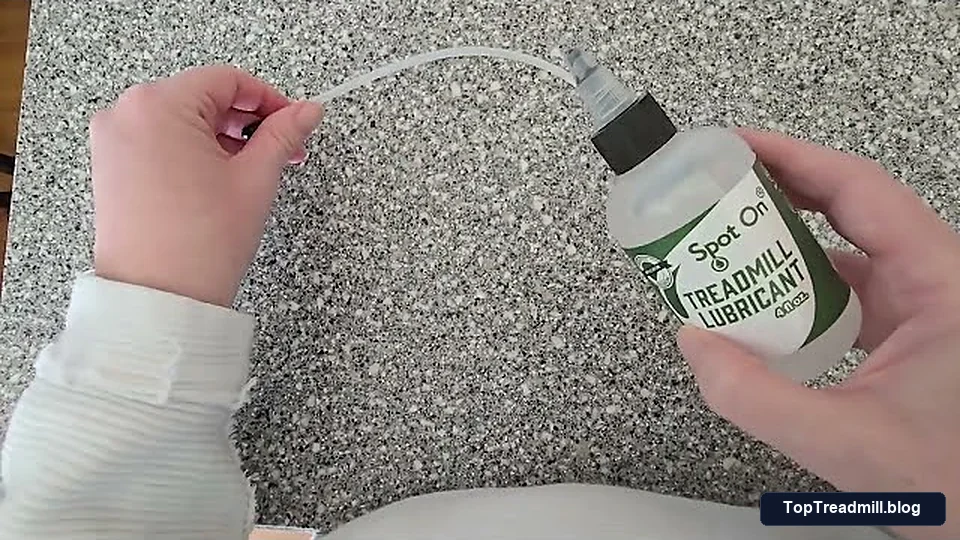
Gather your supplies, including a microfiber cloth, the silicone bottle with an application tube, and hex keys. Having tools ready ensures an efficient maintenance workflow.
Clear the surrounding area of any tripping hazards or loose objects before tilting or opening the machine. A clean workspace promotes systematic equipment care.
Wear protective gloves to keep chemical residues off your skin and prevent transferring oils to the belt. Proper preparation safeguards both the technician and the hardware.
- Unplug the machine before touching internal components
- Keep hex wrenches and clean cloths nearby
- Clear floor space around the equipment frame
- Wear protective gloves during fluid handling
Workspace Ergonomics and Access
Position your treadmill on a hard floor with adequate lighting overhead. Good visibility allows you to inspect the running deck thoroughly, especially when researching the best slat belt treadmill for running.
If your model requires tilting, secure the frame locking mechanism before reaching beneath the console. Stability is paramount when handling heavy fitness equipment components.
- Ensure bright lighting across the lower frame
- Lock folding mechanisms securely before tilting
Video Walkthrough: How to Lubricate a Sole Treadmill Belt
Measuring and Assessing Current Lubrication Levels
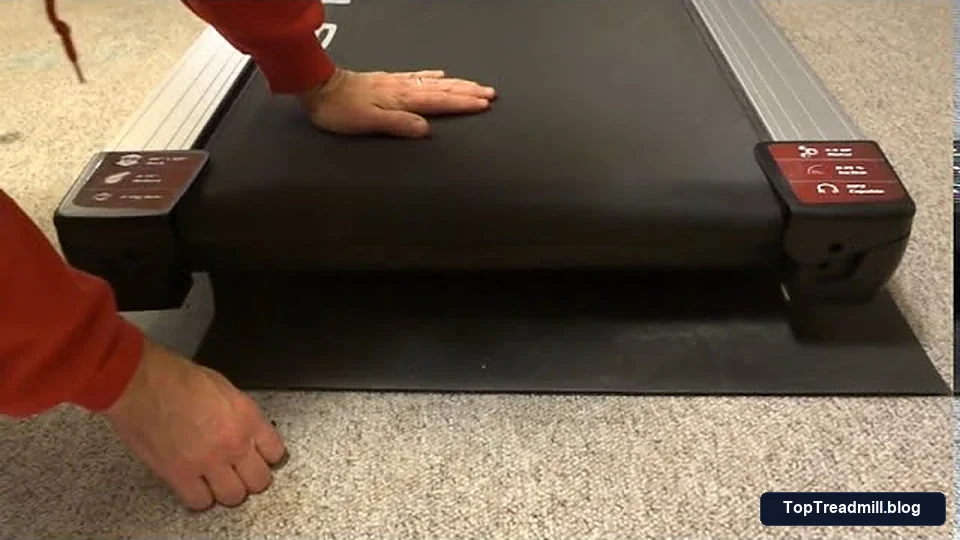
Lift the edge of the running belt near the center of the frame to check moisture. A properly maintained deck should feel slightly damp to the touch.
If your fingers come away completely dry, the silicone layer has evaporated entirely. Running on a dry deck causes excessive friction wear on both belt and board.
Track your machine's cumulative usage hours or mileage via the console interface. Most modern treadmills display an internal service reminder when lubrication is due.
Look for white powdery residue or discoloration along the underside of the belt. These visual indicators signal advanced lubricant degradation requiring immediate attention.
- Perform the tactile touch test every ninety days
- Check console mileage logs for service alerts
- Inspect belt undersides for white powder buildup
- Look for dry friction marks on the deck
The Touch Test Technique
Reach your hand beneath the center of the belt halfway down the deck length. Avoid touching the motor housing or electrical wiring during this tactile inspection.
Assess the residual slickness on your fingertips using a clean paper towel afterward. Consistent lubrication leaves a light, clear, non-sticky film residue.
- Reach halfway down the running board safely
- Evaluate fluid residue using clean paper towels
Step-by-Step Silicone Application Methodology
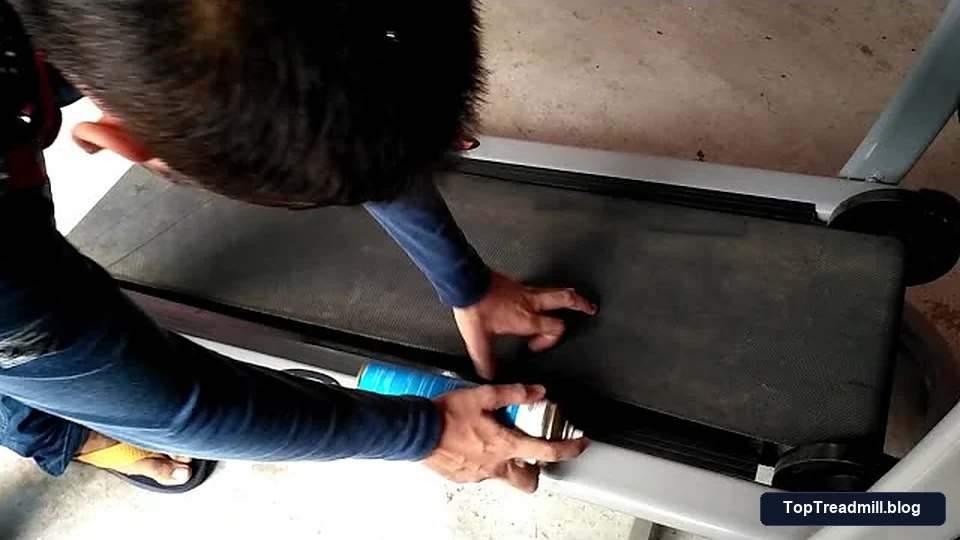
Loosen both rear roller bolts equally using a hex wrench to access the deck interior. Count your exact turns to ensure proper tension realignment later.
Insert the nozzle of your silicone bottle underneath the belt from the side edge. Direct the stream toward the center of the running board.
Apply a steady zigzag pattern or a continuous thin bead across the deck width. Avoid using excessive fluid, as over-lubrication causes belt slippage against the rollers.
Repeat the process on the opposite side of the belt to guarantee uniform coverage. Balanced application prevents uneven wear patterns along the running surface margins.
- Loosen rear roller bolts evenly on both sides
- Apply half an ounce of silicone maximum
- Distribute fluid in a uniform zigzag pattern
- Treat both left and right deck halves
Handling Spray Versus Drip Bottles
Squeeze bottles with long application tubes offer superior accuracy over pressurized aerosol cans. Tubes let you place fluid precisely onto the deck center without overspray.
If using aerosol sprays, hold the nozzle close to the board surface to prevent misting. Misted silicone can contaminate the drive belt and pulley system.
- Prefer long-tube squeeze bottles for precision
- Shield drive belts from aerosol overspray
Post-Application Belt Tensioning and Realignment
Tighten the rear roller bolts back to their original position using your recorded turns. Proper tension prevents the belt from slipping during high-speed running workouts.
Center the belt by making minor quarter-turn adjustments to the left or right rear bolt. An uncentered belt causes friction against the side frame rails.
Plug the power cord back into the grounded wall outlet and clear all objects. Safety protocols require a final visual check before motor startup.
Walk on the treadmill at a slow speed for three minutes to distribute the fresh silicone film evenly. This lubrication process varies depending on your chosen 1-ply vs 2-ply treadmill belt construction.
- Restore exact rear roller bolt turn counts
- Center running belts using quarter-turn adjustments
- Run the machine empty to distribute fluid
- Test walk at low speeds before full workouts
Verifying Tracking Stability
Observe the belt edges while the machine runs empty at a moderate walking speed. The belt should remain equidistant from both frame margins continuously.
If the belt drifts to one side, stop the machine immediately and adjust tension. Correcting drift protects the edge fibers from fraying and splitting.
- Watch belt edges for lateral drifting
- Stop immediately if the belt rubs rails
Troubleshooting Common Maintenance Complications
If your residential treadmill belt slips after lubrication, you likely applied too much liquid. Maintenance procedures differ significantly when evaluating any slat belt treadmill vs traditional belt treadmill setup.
Burning chemical smells indicate motor strain caused by neglected lubrication or overtightened bolts. Inspect the drive components immediately to prevent permanent motor winding damage.
Thumping noises during operation usually point to debris trapped under the running belt. Clean the deck thoroughly before applying a fresh coat of pure silicone fluid.
Intermittent console errors can sometimes stem from static buildup related to dry belts. Proper grounding and regular lubrication eliminate these frustrating electrostatic discharge events.
- Wipe excess silicone if belt slippage occurs
- Investigate burning smells and motor strain
- Clear trapped debris causing thumping noises
- Eliminate static discharge with proper lubrication
Resolving Excessive Slippage Issues
Clean both the front drive roller and rear roller surfaces with isopropyl alcohol. Removing residual silicone restores traction between the belt and roller drums.
Check the drive belt tension beneath the motor hood to ensure power transfer. Loose drive belts mimic running belt slippage during heavy load scenarios.
- Clean roller drums with isopropyl alcohol
- Inspect hidden drive belt tension under hoods
Establishing a Long-Term Preventive Maintenance Schedule
Create a physical or digital maintenance log to track your treadmill service history. Consistency is the key to maximizing equipment operating lifespan.
Inspect the running belt deck interface every month regardless of your mileage output. Environmental dust and pet hair can accelerate lubricant depletion rates significantly.
Keep replacement silicone bottles stored in a climate-controlled environment away from direct sunlight. Proper chemical storage maintains the viscosity integrity of your supplies.
Educate all household users on proper footwear and cleaning habits to protect equipment. Clean shoes prevent abrasive dirt from grinding into the lubricated running deck.
- Maintain a detailed digital maintenance log
- Inspect deck interfaces on a monthly basis
- Store silicone bottles in temperature-controlled spaces
- Enforce clean footwear rules for all users
Seasonal Maintenance Adjustments
Winter months often bring low indoor humidity that dries out mechanical components faster. Increase your inspection frequency during dry winter seasons to prevent premature deck wear.
Summer humidity can introduce moisture that affects electrical contacts and belt traction. Monitor your machine closely during seasonal transitions for optimal mechanical reliability.
- Increase checks during dry winter months
- Monitor humidity impacts during summer seasons
Frequently Asked Questions
How often should I lubricate my treadmill belt?
Apply pure silicone lubricant every 150 miles or 3 months of regular household use. You should always inspect the deck moisture level manually before adding fresh fluid to prevent dangerous over-saturation.
Can I use WD-40 or cooking oil on my treadmill?
Never use standard household oils, petroleum products, or WD-40 on your treadmill belt. These chemical formulations will rapidly degrade the belt backing material and permanently ruin the sensitive running deck surface.
What happens if I apply too much silicone lubricant?
Excessive silicone causes the running belt to slip dangerously against the drive rollers during use. You can easily fix this issue by wiping away pooled fluid with a clean, dry microfiber cloth.
Do pre-lubricated treadmill belts ever need maintenance?
Even factory pre-lubricated running belts eventually require manual silicone maintenance over time. Environmental dust and friction gradually deplete the original factory coating, necessitating routine user applications to prevent motor strain.
How do I know if my treadmill needs lubrication?
Lift the belt edge and check if the wooden deck feels dry to your fingertips. Additionally, increased motor noise or console friction warnings indicate an urgent need for fresh silicone lubrication.