1 Ply vs 2 Ply Treadmill Belt: Complete Technical Guide
Choosing between belt constructions dictates deck longevity and user feel. We analyze exact engineering metrics to guide your purchase.

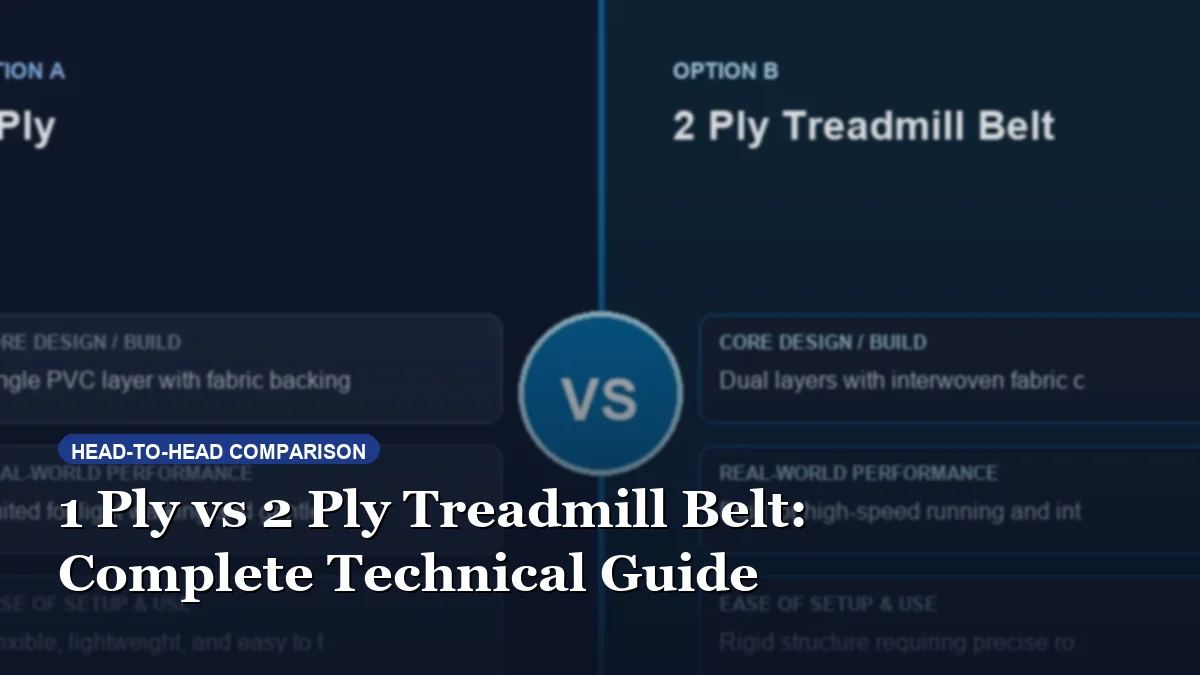
Choose single-ply belts for compact walking pads where low motor load matters most. Opt for two-ply alternatives if you require heavy running durability and friction reduction.
Compare all top models in our Best Treadmill: Top Home Fitness Picks (2026 Guide).
Side-by-Side Breakdown
| Criteria | 1 Ply | 2 Ply Treadmill Belt | Edge |
|---|---|---|---|
| Core Design / Build | Single PVC layer with fabric backing | Dual layers with interwoven fabric core | Side B |
| Real-World Performance | Suited for light walking and gentle jogs | Built for high-speed running and intense intervals | Side B |
| Ease of Setup & Use | Flexible, lightweight, and easy to tension | Rigid structure requiring precise roller alignment | Side A |
| Durability & Reliability | Prone to faster surface wear under friction | Resistant to stretching and delamination | Side B |
| Efficiency / Operating Footprint | Draws less electrical current from motors | Requires robust continuous horsepower motors | Side A |
| Maintenance Requirements | Needs frequent silicone lubrication checks | Maintains low friction via woven backing | Side B |
| Best Ideal Use Case | Under-desk walking pads and compact units | Full-size commercial and heavy home treadmills | Side B |
Core Engineering and Material Composition
Treadmill belt construction directly dictates how equipment handles impact forces. Reviewing our drive belt replacement tutorial helps users select appropriate mechanical resilience for routines.
Single-ply designs feature a single layer of flexible PVC or polyurethane with a fabric backing. This minimalist construction prioritizes lightweight flexibility and reduced rotational mass over heavy shock absorption.
Single-ply belts rely on a PVC top coat bonded directly to a polyester weave backing. This configuration prioritizes flexibility and lightweight footprint for compact folding frames.
Two-ply variants introduce an intermediate interwoven fabric layer sandwiched between the top wear surface and bottom backing. This adds substantial tensile strength and dimensional stability under heavy loads.
- Single-ply utilizes one primary thermoplastic layer bonded to polyester backing.
- Two-ply variants incorporate an intermediate weave for superior tensile strength.
- Overall thickness ranges from 1.2mm on light units up to 3.0mm on premium belts.
Understanding Single-Ply Layouts
Single-ply belts dominate the walking pad market due to their thin profile. They wrap around small front and rear rollers smoothly without generating excessive heat.
Manufacturers prefer this style to lower production costs and reduce initial motor strain. However, lack of secondary reinforcement means they stretch faster over extended periods.
- Ideal for low-torque, compact DC motors.
- Exhibits higher susceptibility to edge fraying.
Anatomy of Two-Ply Belts
Two-ply belts sandwich a durable monofilament weave between distinct top and bottom rubber compounds. This engineered layering distributes foot strike pressure evenly across the running deck.
The secondary fabric ply prevents excessive longitudinal stretching during intense sprinting sessions. Such structural integrity translates directly to extended operational lifespans under heavy loads.
- Features interwoven polyester or cotton backing fabric.
- Resists thermal degradation during prolonged friction events.
Real-World Running Dynamics and Impact Absorption
Running mechanics change significantly depending on belt thickness. Mastering how to check treadmill belt tension ensures multi-ply surfaces absorb impact evenly while preventing premature wear on components.
Conversely, thin single-ply surfaces offer a firmer foot plant reminiscent of outdoor concrete paths. Users must weigh joint protection against the crisp responsiveness of thinner belts.
Thinner single-ply designs offer minimal internal cushioning, transferring more kinetic energy directly to the deck. Users often notice a firmer footstrike that lacks multi-layered shock dissipation.
Dual-ply configurations provide inherent shock absorption through their laminated construction thickness. This dampens high-frequency impact vibrations, reducing joint stress during prolonged distance running sessions.
- Two-ply belts reduce peak impact forces on runner knees and ankles.
- Single-ply surfaces provide immediate feedback for cadence training.
- Deck cushioning systems often compensate for thinner belt construction.
Joint Comfort and Shock Mitigation
Impact forces travel through the shoe, the belt, and finally into the cushioned deck. Two-ply options act as an initial shock absorber layer before impact hits internal elastomers.
Long-distance runners benefit immensely from this dual-layer dampening effect. Reduced impact shock minimizes cumulative micro-trauma during marathon training blocks at home.
- Absorbs high-frequency vibrations effectively.
- Lowers post-run muscle soreness for heavy runners.
Thermal Management and Friction Coefficients
Friction generation is the primary enemy of any running system. Following our treadmill belt tension guide helps manage thermal expansion and reduces excessive deck friction safely.
Thin single-ply belts accumulate heat faster right beneath the runner's foot strike zone. Proper lubrication remains mandatory regardless of which belt style you choose.
Friction generates internal heat during continuous belt rotation against the phenolic deck. Single-ply materials dissipate thermal energy quickly due to their reduced mass, but wear down faster.
Two-ply belts maintain a lower coefficient of friction against the deck thanks to specialized bottom fabric weaves. This limits dangerous heat buildup during intense commercial or high-speed intervals.
- Friction coefficients determine how much electrical energy converts into waste heat.
- Woven backings reduce static drag against phenolic running decks.
Heat Dissipation Mechanics
As the belt loops continuously over front and rear rollers, friction builds up rapidly. High thermal resistance prevents the top PVC layer from cracking or bubbling.
Cheap single-ply belts may delaminate prematurely if subjected to continuous friction without adequate silicone lubrication applied beneath the running surface.
- Prevents premature adhesive breakdown inside the belt.
- Maintains consistent slip properties during long workouts.
Motor Load and Electrical Efficiency
Electric motors must work harder to drive thicker, heavier multi-ply running belts around the deck rollers. This increased load requires higher continuous horsepower ratings from drive systems.
Single-ply belts reduce overall mechanical resistance, making them perfect for low-wattage folding walking pads. Your electrical footprint stays remarkably low during standard daily sessions.
Lightweight single-ply belts require less initial torque from the drive motor to initiate movement. This improves electrical efficiency and reduces immediate amp draw during start-up phases.
Heavy multi-layered belts demand higher continuous horsepower ratings from the motor to overcome rotational inertia. However, they maintain more consistent speed under heavy footstrikes without lagging.
- Thick belts demand stronger motor controllers and heavier flywheels.
- Light belts reduce strain on walking pad gearboxes.
- Electrical efficiency favors minimalist single-ply construction.
Horsepower Demands Explained
Running a heavy two-ply belt requires a motor capable of sustaining high torque at low speeds. Underpowered motors will stutter if paired with thick, high-friction surfaces.
Always match your treadmill motor specifications to the factory-installed belt thickness. Upgrading to a thicker aftermarket belt can overheat an unprepared motor controller.
- Requires robust continuous horsepower ratings.
- Protects electronic control boards from thermal overload.
Installation, Tensioning, and Mechanical Wear
Replacing a walking surface tests your patience with alignment bolts and rollers. Reviewing our drive belt replacement walkthrough ensures you handle tensioning safely.
Stiff two-ply belts demand precise mechanical adjustments to prevent lateral drifting across the deck. Correct tensioning ensures even edge wear over thousands of operational miles.
Aligning and tensioning single-ply belts requires precise calibration because they stretch easily under load. Improper rear roller adjustment quickly causes lateral tracking drift and edge fraying.
Two-ply alternatives feature superior tensile strength that resists stretching over years of aggressive use. Mechanics find them easier to tension accurately without frequent recalibration requirements.
- Single-ply belts require less force to center correctly.
- Two-ply belts hold their adjustment longer once tensioned.
- Improper tracking destroys belt edges on both types.
Tracking and Alignment Nuances
Maintaining proper belt tracking prevents premature fraying along the left and right borders. Two-ply belts resist stretching unevenly, helping them stay centered once adjusted.
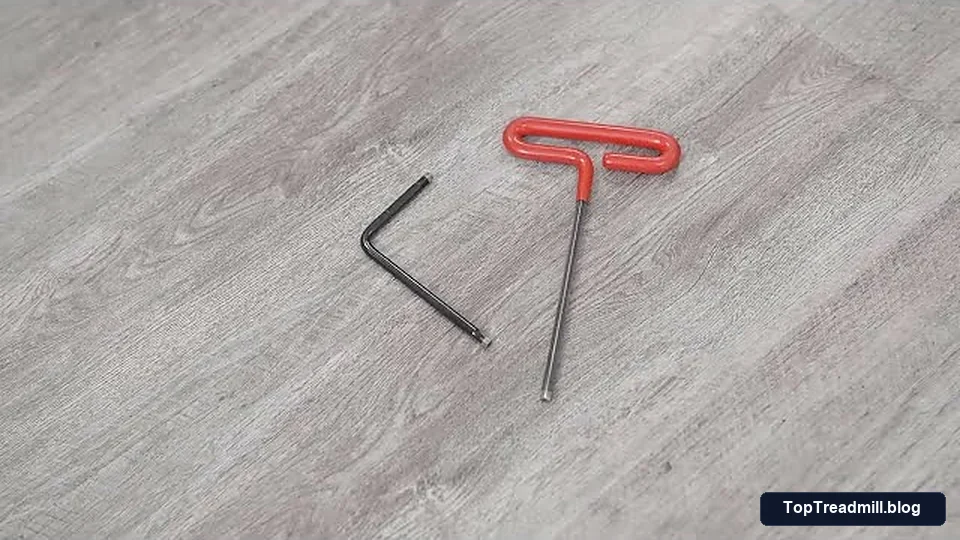
Thin single-ply belts stretch more dynamically under asymmetric foot strikes. Regular minor adjustments using rear roller hex bolts are usually necessary.
- Use incremental turns on rear adjustment bolts.
- Check alignment monthly during routine cleaning.
Maintenance Protocols and Lubrication Needs
Keeping your running surface properly lubricated extends the lifespan of both belt and deck. Two-ply belts often feature self-lubricating fabric weaves that retain silicone oil longer.
Single-ply belts require strict adherence to silicone application schedules to prevent sticking. Neglecting this maintenance leads to burned-out motors and warped deck boards.
Single-ply surfaces demand strict silicone lubrication schedules to prevent premature deck scoring. Without adequate slip agents, the thin backing material rapidly degrades against dry wooden decks.
Two-ply belts often utilize pre-lubricated backing weaves that retain wax or fluid additives longer. This extends servicing intervals while protecting internal components from abrasive particulate accumulation.
- Apply 100 percent silicone lubricant beneath the walking surface.
- Clean dust accumulation from side rails regularly.
- Inspect underside fabric for signs of excessive glazing.
Silicone Application Schedules
Most manufacturers recommend applying liquid silicone every few months depending on usage. Two-ply belts absorb and hold this lubricant inside their woven backing matrix.
Single-ply options need more frequent applications because they lack internal storage capacity. Always wipe away excess fluid to prevent slipping hazards.
- Prevents high friction spikes during workouts.
- Eliminates annoying squeaking noises during foot strikes.
Cost-to-Value and Ideal User Profiles
Your running style dictates whether single-ply or two-ply construction provides better long-term value. Casual walkers save money and energy with streamlined single-ply walking pads.
Dedicated runners require the structural integrity and joint protection of premium two-ply belts. Investing in the correct belt type prevents costly premature equipment replacements.
Budget walkers and casual joggers benefit most from single-ply options found on entry-level folding treadmills. These systems match moderate usage profiles without inflating equipment acquisition costs.
Serious runners, heavy households, and commercial facilities must prioritize commercial durability by selecting two-ply belts. The higher upfront investment guarantees years of reliable performance under punishing daily workloads.
- Single-ply suits light users, walkers, and budget shoppers.
- Two-ply suits runners, heavy users, and commercial facilities.
- Match belt durability to your daily weekly mileage goals.
Selecting Your Ideal Match
Evaluate your primary fitness goals before purchasing your next piece of cardio equipment. Walkers under desks do not need heavy commercial-grade multi-ply reinforcement.
Serious runners putting in high weekly mileage must prioritize multi-ply durability. Choosing correctly ensures smooth operation and safeguards your physical well-being.
- Assess weekly mileage before deciding.
- Prioritize motor compatibility over belt thickness alone.
Frequently Asked Questions
Can I replace a single-ply belt with a two-ply belt?
You should check your motor specifications before upgrading belt thickness. Installing a heavier belt can cause motor overheating on underpowered walking pads.
How long do treadmill belts typically last?
Standard treadmill belts last between three to five years with regular maintenance. Proper lubrication directly influences this operational lifespan across all models.
Why does my treadmill belt keep sliding to one side?
Uneven foot strikes or loose rear roller bolts usually cause tracking issues. Adjusting the tension bolts restores proper alignment quickly.
Do two-ply belts require special cleaning products?
Always use 100 percent silicone lubricants designed specifically for fitness equipment. Petroleum-based oils will destroy the rubber compound integrity.
Which belt type is quieter during operation?
Two-ply belts generally produce less noise due to their sound-dampening fabric core. This extra layer absorbs the high-frequency impact vibrations effectively.