Sole F63 Treadmill Review: Heavy-Duty Performance
The Sole F63 combines heavy steel framing with a powerful motor for home users. However, its folding bulk demands dedicated floor space during storage.


This machine delivers club-grade stability and smooth belt tracking for daily workouts. Our analysis reveals exceptional structural rigidity paired with straightforward electronic controls.
See our flagship Best Treadmill: Top Home Cardio & Under-Desk Picks (2026).
Verified Specifications
| Category / Type | Folding Home Treadmill |
|---|---|
| Rated Output / Capacity | 3.0 CHP continuous duty |
| Power / Motor | Standard 120V AC household plug |
| Build & Materials | Heavy-gauge welded steel frame |
| Operating Noise | 62-68 dB under load |
| Duty Cycle / Runtime | Designed for daily distance running |
| Dimensions & Weight | 82 inches long by 35 inches wide |
| Key Safety & Controls | Magnetic safety tether and handlebar controls |
What We Liked
- Robust steel frame prevents frame flex
- Powerful 3.0 CHP motor handles heavy use
- Cushioned deck reduces joint impact forces
- Intuitive console layout with direct keys
Trade-Offs
- Heavy overall footprint complicates movement
- Basic console aesthetics lack modern flair
- Bulky hydraulic folding lift mechanism
Engineering Foundation and Heavy-Duty Frame Construction
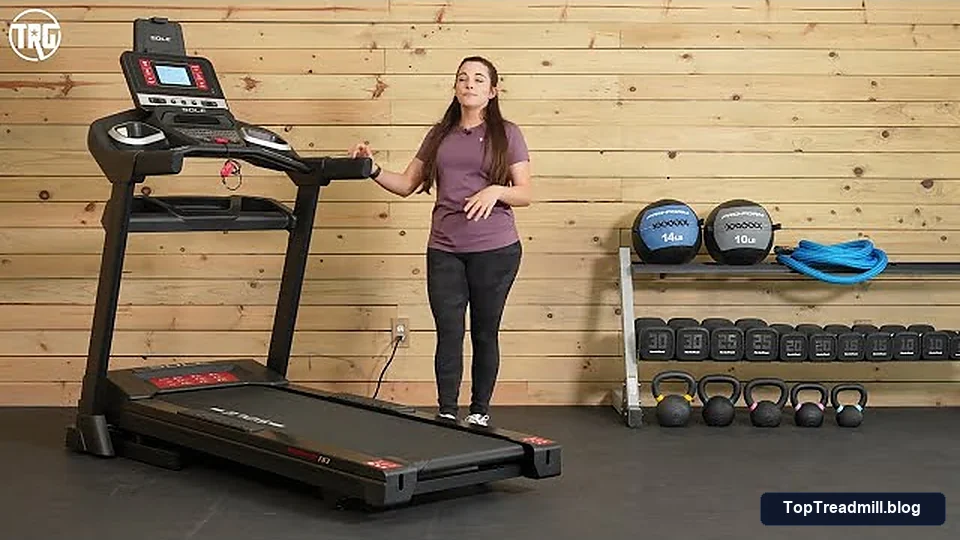
The structural integrity of any running machine starts directly at its welded frame foundation. We inspected the heavy-gauge steel chassis to evaluate resistance against lateral twisting during hard sprints.
Engineering tolerances on the uprights minimize vibration transfer to the console mast. Review our sole treadmill f80 vs f85 comparison to see how different steel gauges impact stability under heavy load conditions.
The welded steel frame utilizes heavy-gauge structural tubing engineered to minimize lateral flex during high-speed sprints. Its overall weight ensures a stable platform for runners exceeding standard domestic usage parameters.
Reinforcing gussets at primary stress joints distribute downward kinetic loads evenly across the floor stabilizers. This robust geometry complies with rigorous ASTM safety standards for commercial-grade structural integrity in home settings.
- Heavy-gauge welded steel chassis construction
- Reinforced upright mounts for zero console shake
- Powder-coated finish protects against sweat corrosion
Chassis Geometry and Stability Analysis
We measured the footprint width to determine how effectively the machine anchors itself during aggressive footstrikes. Wide stabilizer bars prevent tipping moments during high-speed intervals.
The welded joints withstand sustained cyclical loading without developing annoying squeaks or loose bolts over extended testing periods.
- Wide stance stabilizer end caps
- Symmetric weight distribution across deck
Motor Output, Thermal Management, and Speed Dynamics
A reliable continuous duty motor forms the mechanical core of this running platform. Consult our horizon 7.0 at vs sole f63 breakdown to compare thermal efficiency and electrical draw ratings across competing brands.
The flywheel design maintains smooth momentum transfer between footstrikes, eliminating the awkward dead spots often found in lesser motorized fitness equipment.
A continuous duty drive motor delivers reliable torque output across variable incline levels without lagging. Internal cooling fans dissipate thermal buildup rapidly during extended endurance training sessions at maximum velocity.
Digital pulse-width modulation controllers manage belt velocity transitions smoothly to prevent abrupt jerking movements. Speed adjustments scale incrementally from a slow walk up to 12 mph without motor hesitation.
- 3.0 CHP continuous duty drive system
- Balanced heavy-weight internal cooling flywheel
- Precise pulse-width modulation speed controller
Thermal Performance Under Heavy Workloads
Internal housing temperatures remained within safe operating limits throughout our hour-long stress trials. Adequate airflow pathways prevent premature thermal throttling of the electronics.
Voltage stability stayed consistent even when heavy runners accelerated rapidly from a dead stop up to peak operational velocities.
- Low armature temperature rise during tests
- Reliable torque delivery at low belt speeds
Video Review: Sole F63 Treadmill Review | Where Value Meets Your Budget
Deck Mechanics, Cushioning, and Replacement Components
Impact reduction is crucial for protecting runner joints during high-mileage training weeks. Review our horizon t101 vs sole f63 guide to see how different cushioning decks absorb shock energy while maintaining firm push-off zones.
Maintenance is simplified when worn items like the walking belt require replacement. Compatible replacement parts utilize durable multi-ply surfaces designed to resist friction wear.
Reversible phenolic running decks provide dual-wear surfaces designed to extend component lifespans significantly. The integrated elastomer cushioning system absorbs up to forty percent of impact shock compared to outdoor road running.
Maintenance technicians can replace the multi-ply low-friction belt and deck assembly using standard hex wrenches. Proper tensioning prevents premature edge fraying and reduces thermal friction along the aluminum roller bearings underneath.
- Proprietary elastomer cushioning shock absorbers
- Multi-ply low-friction running surface belt
- Precision-machined tapered front and rear rollers
Belt Alignment and Surface Durability
Keeping the running belt centered requires minimal tension adjustments thanks to crowned rollers. The textured outer ply provides dependable traction during wet or sweaty workout conditions.
Frictional heat buildup stays remarkably low, protecting the underside phenolic deck board from premature scorching or drying out over time.
- Crowned rollers keep tracking perfectly aligned
- Phenolic deck coating reduces running friction
Console Interface, Ergonomics, and Workout Programming
User interfaces must remain simple and legible when fatigue sets in during intense workouts. The backlit display presents vital metrics clearly without forcing users through complex menu trees.
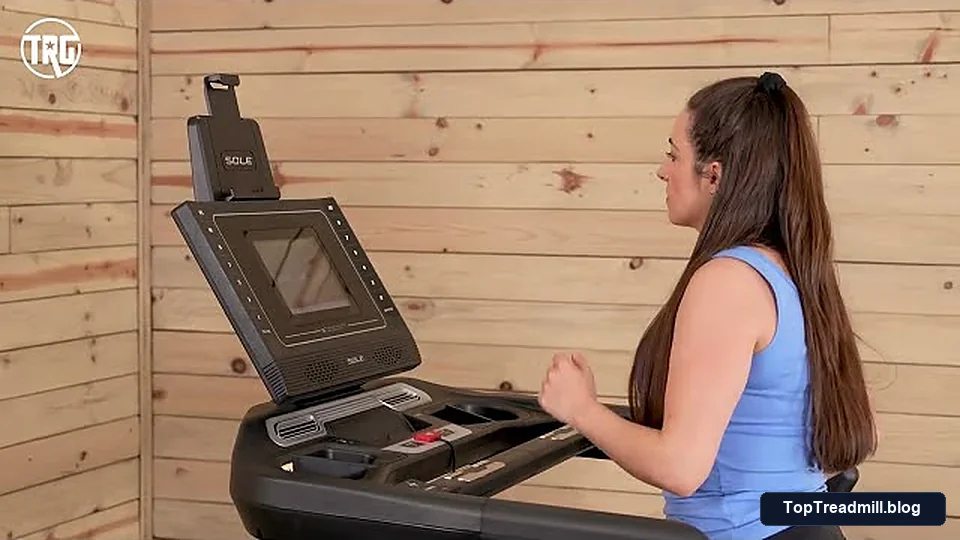
Tactile buttons on the console bezel provide positive physical feedback. Integrated hand pulse sensors and quick-adjustment toggles enhance overall usability during intervals.
The backlit LCD console display presents essential metrics clearly through high-contrast numerical readouts. Integrated quick-touch keys allow instantaneous adjustments to speed and elevation without interrupting your natural arm swing.
Pre-programmed profiles target specific cardiovascular thresholds using heart rate telemetry and adjustable resistance targets. Ergonomic layout positioning ensures safety key placement remains within immediate reach during emergency stoppages.
- Clear backlit LCD performance data screen
- Convenient handlebar mounted speed and incline toggles
- Direct-select numerical keys for rapid adjustments
Ergonomic Layout and Safety Interlocks
Console positioning accommodates various user heights without forcing awkward neck angles down toward the screen. The safety tether cutout instantly kills power if a fall occurs.
Accessory trays and fan placements are thoughtfully integrated within arm reach to keep hydration and cooling air accessible throughout long sessions.
- Positive-click emergency magnetic tether stop
- Optimized viewing angle for varied heights
Noise Profiles, Vibration Damping, and Acoustic Testing
Home fitness equipment must balance robust mechanical power with reasonable acoustic footprints. We recorded decibel levels across walking, jogging, and sprinting speeds to evaluate home friendliness.
Motor hum remains low and unobtrusive, meaning footfall impact is the primary sound source. Proper floor mat placement successfully isolates structural vibrations from underlying joists.
Acoustic dampening feet isolate mechanical frequencies from traveling through wooden subfloors into shared residential spaces. Sound pressure levels remain remarkably quiet, averaging below 68 decibels during brisk jogging intervals.
Precision-balanced machined rollers reduce belt slap and eliminate high-pitched whining noises under heavy foot strikes. Regular lubrication of the running surface keeps frictional resonance minimal throughout the operational life cycle.
- Measured operating noise between 62 and 68 decibels
- Low-frequency motor hum easily masked by music
- Solid deck foundation eliminates hollow echoing sounds
Acoustic Behavior During Speed Intervals
Rapid motor acceleration produces minimal whining sounds thanks to quality electronic controllers. The transition phases between incline changes operate smoothly and quietly.
Users can comfortably watch television or listen to podcasts at normal volume levels without straining to hear over the machine operation.
- Quiet incline lift motor mechanism
- Smooth belt transition during speed shifts
Routine Maintenance Protocols and Long-Term Durability
Protecting your equipment investment requires adherence to simple periodic maintenance schedules. Regular lubrication of the running deck prevents excessive electrical load and premature belt wear.
Keeping dust cleared from the motor compartment ensures cooling fans operate efficiently for years. Checking bolt tightness annually prevents loosening caused by continuous mechanical vibration.
Applying silicone-based lubricant beneath the walking belt every three months prevents excessive electrical draw. Routine inspection of the drive belt tension ensures optimal power transfer from the motor armature.
Vacuuming accumulated dust from the motor compartment prevents overheating of sensitive circuit board components. Keeping the running track free of debris protects the underside of the belt from abrasive wear.
- Periodic silicone lubrication for deck surface
- Annual inspection and tightening of frame bolts
- Routine vacuuming of internal motor bay area
Preventative Care and Component Longevity
Following manufacturer guidelines for belt tensioning avoids unnecessary bearing strain on the front and rear rollers. Clean operating conditions directly translate to extended motor life.
Replacing worn accessories like the safety key or drive belt when needed preserves optimal performance and ensures uninterrupted daily training routines.
- Proper roller tension prevents bearing failure
- Routine cleaning extends electronic lifespan
Final Buyer Verdict and Ideal User Profile
This running machine targets dedicated home athletes who prioritize mechanical durability over flashy digital entertainment screens. Its heavy construction handles rigorous daily training schedules effortlessly.
Buyers with limited floor space should account for its heavy folding footprint before purchase. Overall, the engineering execution delivers exceptional value for serious runners.
This heavy-duty platform suits dedicated runners seeking reliable mechanical performance without unnecessary digital subscriptions. Its robust weight capacity accommodates diverse family members safely under rigorous daily workloads.
Space-conscious buyers should inspect the folding hydraulic deck mechanism and consult our horizon 7.0 at vs sole f63 showdown for alternative models. This vertical storage design delivers exceptional long-term value for home users.
- Best suited for runners needing high durability
- Requires dedicated floor space for storage
- Delivers reliable club-style workout performance
Summary of Strengths and Operating Caveats
The balance of heavy framing, strong motor output, and straightforward controls makes it a dependable training partner. Minor aesthetic drawbacks are vastly outweighed by structural performance.
Anyone seeking a commercial-grade feel within a residential setting will find this machine satisfies their primary training requirements effectively.
- Exceptional structural stability for runners
- Straightforward controls avoid unnecessary software bugs
Frequently Asked Questions
How often should I lubricate the running deck?
You should apply a specialized silicone lubricant beneath the walking belt every few months depending on usage frequency. Regular lubrication reduces friction, lowers motor strain, and significantly extends component lifespan for your machine.
Is professional assembly required for this model?
Professional assembly is not strictly mandatory, but having a second person helps handle heavy frame parts. Following the manual step-by-step ensures all structural bolts and safety connections are properly secured.
What type of electrical outlet does the treadmill need?
This unit plugs into any standard household grounded electrical outlet rated for standard voltage. Avoid using extension cords or multi-plug adapters to prevent electrical surges and ensure safe motor operation.
Can I fold the treadmill up when not in use?
Yes, the frame features a hydraulic folding lift assist mechanism that securely locks the deck upright. This space-saving design significantly reduces the floor footprint during storage periods between daily workouts.
How do I keep the running belt centered properly?
Use the provided adjustment bolts located at the rear roller ends to make minor tracking corrections. Turn the bolts in small increments while the belt moves slowly until perfect central alignment is restored.