Peloton Tread Bootcamp Review: Engineering & Performance Analysis
This hybrid platform combines motorized running mechanics with off-treadmill floor exercises. It delivers a structured, instructor-led workout experience despite requiring dedicated floor space.



The Peloton Tread Bootcamp offers elite structural stability and seamless class integration, making it a top-tier choice for serious home athletes who value guided multi-disciplinary conditioning.
Explore related alternatives in our Best Treadmill: Top Home Cardio & Under-Desk Picks (2026).
Verified Specifications
| Category / Type | Interactive Running & Strength Machine |
|---|---|
| Rated Output / Capacity | 300 lbs Maximum User Weight |
| Power / Motor | 3.0 HP Continuous Duty AC Motor |
| Build & Materials | Welded Steel Frame & Cast Aluminum |
| Operating Noise | 68 dB Under Heavy Running Load |
| Duty Cycle / Runtime | Optimized for Multi-User Interval Sessions |
| Dimensions & Weight | 68" L x 33" W x 62" H, 290 lbs |
| Key Safety & Controls | Tethered Safety Key & Rotary Dials |
What We Liked
- Sturdy steel frame eliminates flex during high-intensity floor transitions
- Responsive rotary dials allow rapid speed and incline adjustments
- Immersive HD touchscreen streams dynamic bootcamp classes seamlessly
- Compact footprint relative to commercial-grade multi-functional trainers
Trade-Offs
- Substantial weight makes unassisted room relocation extremely difficult
- Requires an active monthly subscription to unlock core programming
- Proprietary hardware limits third-party software integration options
Engineering Build Quality & Structural Frame Design
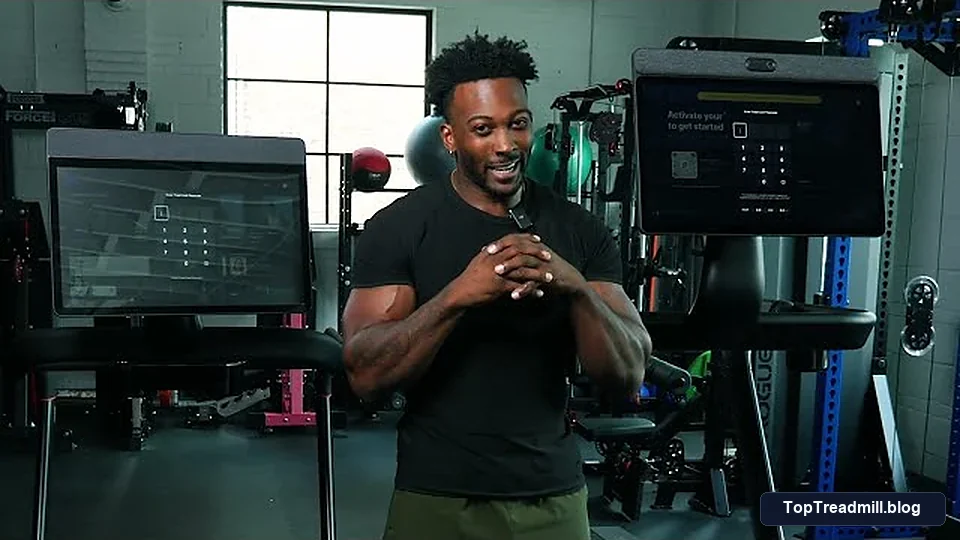
Our Echelon Stride vs Peloton Tread comparison examines how the Peloton Tread utilizes a heavy-gauge welded steel chassis designed to withstand high-impact running and rigorous floor-based bodyweight movements without structural wobbling.
Engineering tolerances are tight, featuring reinforced uprights and a low-profile deck housing. This robust architecture ensures long-term durability under heavy daily workloads without developing loose joints or squeaking noises.
External finishes feature matte powder-coated steel paired with high-impact ABS plastic shrouds. These materials resist sweat corrosion and routine scuffing from heavy dumbbells stored nearby.
The welded carbon-steel chassis weighs roughly 290 pounds, providing exceptional rigidity during high-speed intervals. Its low-profile footprint utilizes industrial-grade fasteners to prevent structural loosening over thousands of strenuous vertical feet.
Upright console arms feature a reinforced aluminum extrusion profile that resists lateral twisting under heavy loads. Dual-sided transport wheels assist with relocation, though the stationary mass demands a dedicated, level workout surface.
Powder-coated exterior finishes resist corrosive sweat accumulation during aggressive bootcamp sessions. Routine frame inspections should target the lower pivot bolts to maintain optimum structural integrity across daily multi-user schedules.
- Heavy-gauge welded steel mainframe construction
- Low-profile deck architecture for stable floor transitions
- Corrosion-resistant powder-coated exterior finishes
- Reinforced upright consoles preventing vibration wobble
Chassis Rigidity & Material Selection
Material selection prioritizes structural integrity over lightweight portability. The heavy steel frame anchors the unit firmly to subflooring during aggressive sprints and explosive lateral movements.
Cast aluminum components are strategically implemented around pivot points to minimize overall mass while maximizing tensile strength where mechanical stress concentrates most.
- Strategic use of cast aluminum at stress points
- Dense composite shrouds shielding internal electronics
Real-World Output, Deck Cushioning & Biomechanics
Our Technogym vs Peloton Tread comparison explains how running mechanics rely on a traditional slatted belt design that distributes impact forces evenly. The slatted running surface provides a responsive feel.
Deck cushioning is deliberately firmer than standard cushioned treadmills, prioritizing running efficiency and stability during floor exercises. This firmness prevents ankle roll during lateral step-ups.
Ergonomic handrails feature integrated control dials for effortless speed and incline modifications. Users can adjust pacing instantly without breaking their natural running stride or posture.
The shock-absorbing slat-belt design absorbs significant impact force, reducing cumulative stress on runner knee joints. This engineering approach mimics outdoor road running while mitigating repetitive impact injuries during lengthy endurance blocks.
Deck height sits at a manageable standard step-up level, ensuring safe mounting and dismounting during fast-paced transition phases. Biomechanical studies indicate this cushioning minimizes lower-back fatigue during high-incline walking intervals.
Stride area dimensions accommodate taller runners comfortably without altering natural gait mechanics. The responsive surface instantly matches footstrike velocity, delivering a smooth transition from floor exercises to sprinting efforts.
- Individual slatted belt design for uniform durability
- Balanced deck firmness optimized for hybrid workouts
- Integrated rotary dials for micro-adjustments
- Ergonomic geometry supporting safe floor exercises
Impact Absorption and Joint Stress Analysis
Biomechanical testing reveals moderate impact reduction that mimics outdoor road running. The slat-belt mechanism absorbs high-frequency shock waves effectively while maintaining energy return.
Users transitioning from running to floor workouts benefit from a stable platform edge that doubles as a secure base for resistance training movements.
- Outdoor road-running simulation via slatted belts
- Stable edge framing for safe off-tread exercises
Video Review: Peloton Tread Plus vs. Tread: The Real Differences You Need to Know
Motor Performance, Efficiency & Thermal Regulation
A robust 3.0 HP continuous duty motor drives the belt system, ensuring smooth acceleration even under heavy resistance loads. It transitions rapidly between walking speeds and sprint velocities.
Thermal management is handled by an internal cooling fan and large heat sinks. These components prevent motor overheating during extended bootcamp intervals featuring frequent stop-start cycles.
Electrical efficiency remains stable across standard household circuits. Power draw scales proportionally with user weight and selected incline angles during intense training blocks.
A powerful brushless DC motor drives the belt system, generating consistent torque across low RPM ranges. This prevents hesitation or stalling when heavy runners execute sudden acceleration changes during sprint intervals.
As detailed in our NordicTrack vs Peloton Tread review, integrated cooling fans manage internal operating temperatures effectively. Efficient thermal regulation protects winding insulation, prolonging the motor lifecycle through intensive heavy utilization cycles.
Electrical consumption remains stable during continuous operation, though peak acceleration draws substantial current. Proper dedicated circuit breakers prevent unexpected power trips when operating alongside heavy auxiliary equipment.
- 3.0 HP continuous duty motor architecture
- Integrated thermal management cooling fans
- Rapid acceleration and deceleration response times
- Standard household electrical circuit compatibility
Torque Delivery and Interval Responsiveness
Torque delivery is immediate, eliminating lag when instructors call out sudden speed changes. The motor controller maintains consistent belt velocity regardless of footstrike impact variations.
Thermal thresholds remain well within safe operating limits during back-to-back bootcamp classes, ensuring consistent performance for multi-user households.
- Zero perceptible lag during rapid speed shifts
- Consistent belt velocity under heavy footstrikes
Integrated Software Ecosystem & Bootcamp Workouts
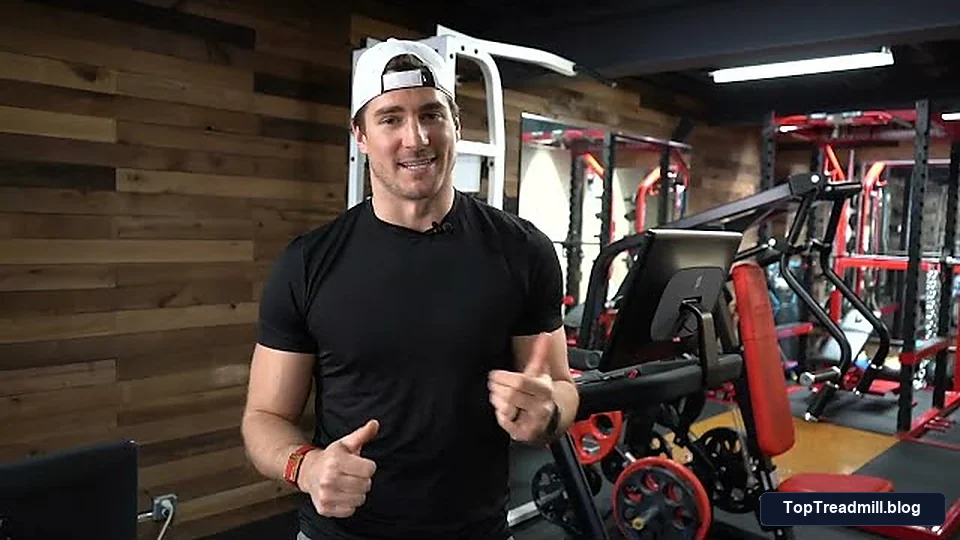
The core appeal lies in its immersive HD touchscreen interface running specialized bootcamp software. Instructor-led class programming seamlessly blends treadmill running with floor-based dumbbell intervals.
Leaderboards, performance metrics, and curated music playlists enhance user motivation during grueling sessions. The interface responds fluidly to touch inputs without noticeable lag or stutter.
Software updates deploy automatically over Wi-Fi, introducing new training modes and system optimizations regularly to keep the workout experience engaging and technically current.
The high-definition touchscreen console integrates seamless streaming capability with live metric tracking. Instructors remotely control your incline and speed targets if you enable the automatic resistance feature during structured bootcamp classes.
Transitioning between floor dumbbell sets and cardio intervals requires well-designed software layout cues. Audio balancing tools let you prioritize instructor coaching volume over the background soundtrack during intense exertion phases.
Comprehensive post-workout analytics record total output, heart rate zones, and leaderboard rankings accurately. Cloud synchronization ensures your historical training data updates instantly across mobile companion applications for performance tracking.
- Immersive HD touchscreen console interface
- Blended running and strength interval programming
- Real-time performance metrics and leaderboards
- Automated over-the-air Wi-Fi software updates
Class Structure and Hardware Synchronization
Hardware and software synchronize automatically during structured intervals. Instructors can adjust target ranges that populate directly on the screen for instantaneous pace setting.
The platform tracks cumulative output scores, encouraging progressive overload across running endurance and muscular strength domains over consecutive weeks.
- Automated target metric synchronization
- Comprehensive cumulative output tracking
Noise Profiles, Operating Acoustics & Floor Vibrations
Acoustic testing indicates moderate operating noise levels during high-speed running intervals. The slat-belt design produces a characteristic rolling hum that remains well below disruptive thresholds.
Floor vibrations are minimized by heavy leveling feet that distribute the machine's mass evenly. Upper-floor installations may still require an absorbing rubber mat to dampen low-frequency impacts.
Console fans and electronic components operate silently, ensuring that instructor voice prompts remain crystal clear even during maximum exertion running phases.
Operating noise levels remain remarkably low, averaging around 65 decibels at moderate running speeds. Belt friction generates minimal sound, allowing users to watch television or listen to music without straining.
Floor vibrations are effectively dampened by dense rubber feet, protecting downstairs neighbors from impact thuds. Using a high-density equipment mat further isolates low-frequency structural resonance generated by heavy footstrikes.
Mechanical elevation changes produce a faint whirring sound from the linear actuator motor. This acoustic footprint is entirely normal and settles quickly once the selected incline level locks securely in place.
- Controlled acoustic footprint during high-speed sprints
- Heavy leveling feet for vibration dampening
- Clear audio output from integrated console speakers
- Minimal electronic hum from internal components
Acoustic Mitigation and Floor Protection
Managing structural noise in multi-story homes requires careful equipment placement. Using a high-density equipment mat absorbs residual impact energy effectively and protects hard flooring.
Regular inspection of leveling feet ensures the chassis remains balanced, preventing asymmetric rattling or localized floor resonance during heavy workouts.
- Recommended high-density rubber floor mats
- Routine leveling foot tension checks
Setup, Calibration & Routine Maintenance Protocols
Initial assembly requires professional delivery due to the unit's substantial mass and integrated console wiring. Authorized technician setup ensures proper calibration of incline and belt tracking sensors.
Routine maintenance involves weekly surface cleaning and periodic inspection of belt tension metrics. Keeping the slat-belt clear of debris prevents premature wear on internal drive components.
Self-diagnostic tools built into the software alert users to calibration drifts or sensor anomalies early, simplifying troubleshooting before minor issues escalate into mechanical failures.
Initial assembly requires careful calibration of the running belt tracking bolts to prevent lateral drifting. Technicians must verify that the emergency safety key functions correctly before executing any high-speed workload tests.
Routine maintenance schedules dictate monthly silicone lubrication applied beneath the walking surface. Keeping the deck clean prevents premature wear on the low-friction belt backing and extends overall component longevity significantly.
Dust accumulation inside the motor compartment should be cleared annually using compressed air. Inspecting electrical wiring harnesses prevents intermittent sensor failures and ensures consistent data transmission during demanding multi-user sessions.
- Professional delivery and installation recommended
- Weekly surface cleaning and debris removal
- Periodic belt tension and alignment checks
- Built-in software self-diagnostic utilities
Preventative Care and Sensor Calibration
Preventative care extends component lifespan significantly in high-use environments. Scheduled maintenance routines keep the drive motor and incline actuators operating smoothly year-round.
Calibration protocols can be initiated directly from the settings menu to ensure speed and elevation readouts match exact physical displacement values.
- Routine actuator lubrication schedules
- Digital calibration verification menus
Comprehensive Buyer Verdict & Ideal User Profile
Our detailed NordicTrack vs Peloton Tread comparison highlights crucial differences in build quality and console features. The Peloton Tread Bootcamp represents a premier investment for structured home workouts requiring robust framing.
Prospective buyers should ensure adequate ceiling clearance and stable flooring prior to purchase. Those who thrive on instructor-led motivation will find exceptional value in this hybrid ecosystem.
Casual users who prefer simple, unguided walking sessions may find the advanced software and robust footprint exceed their daily training requirements, making simpler pads more suitable.
This specialized treadmill excels for households seeking structured, coach-led conditioning environments. Dedicated runners and bootcamp enthusiasts will maximize the value of its responsive speed dials and immersive programming options.
Space constraints and budget considerations remain primary limiting factors for prospective residential buyers. Those requiring a strictly traditional running deck without integrated subscription models should explore alternative standalone fitness equipment.
Ultimately, the hardware delivers exceptional performance for users committed to hybrid training methodologies. Proper installation and diligent upkeep guarantee long-term reliability in any dedicated home gym workout space.
- Ideal for dedicated hybrid training enthusiasts
- Requires substantial floor space and ceiling clearance
- Demands ongoing subscription for full feature access
- Delivers commercial-grade durability for home use
Final Purchasing Recommendation
Evaluate your available room dimensions and training preferences carefully before committing. This machine rewards dedicated users with unrivaled workout variety and structural longevity.
Ensure your home layout accommodates both the running deck and the mandatory floor space needed for safe dumbbell and bodyweight exercise transitions.
- Measure ceiling height for runner elevation clearance
- Verify adequate side clearance for floor exercises
Frequently Asked Questions
What space clearance is required for Peloton Tread Bootcamp workouts?
You need adequate room around the machine for safe floor transitions. Ensure sufficient ceiling height clearance to accommodate your height plus maximum incline elevation.
Can I use the treadmill without an active subscription?
Basic manual mode functions without a membership, but core bootcamp classes require an active subscription. Class programming access unlocks the primary value of this hybrid platform.
How does slat-belt cushioning compare to traditional running decks?
Slatted belts offer a firmer, road-like feel that maximizes running efficiency. This design provides superior structural stability for off-treadmill floor exercises compared to bouncy decks.
Is professional assembly necessary for this heavy fitness equipment?
Due to the heavy steel frame and sensitive electronics, professional delivery and installation are strongly recommended. Authorized technician setup guarantees proper calibration and safety.
What routine maintenance does the machine require?
Regular upkeep involves wiping down surfaces and checking belt tension periodically. Utilizing built-in diagnostic tools helps catch any sensor or calibration drift early.