How to Fold and Store Compact Treadmill Safely?
Proper folding mechanisms and safe storage habits protect both your expensive equipment and your home flooring. Following precise technical protocols prevents mechanical strain during long-term residential enclosure.

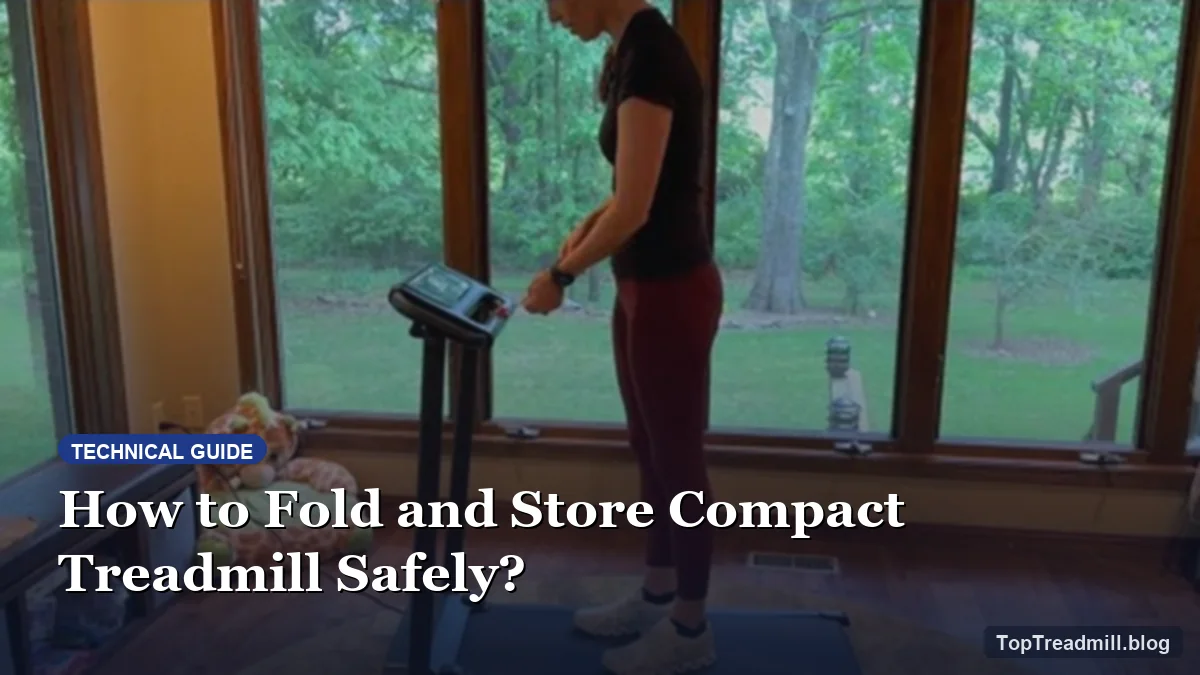
Always unplug the power cord and lock the hydraulic latch completely before tilting any compact running deck upright. Engaging these mechanical safety locks prevents accidental drops or pinch injuries.
Ready to compare models? Start with our Best Treadmill: Top Home Cardio & Under-Desk Picks (2026).
Practical Quick-Reference Table
| Scenario / Metric | Recommended Target | Why It Matters |
|---|---|---|
| Hydraulic Latch | Fully Engaged Click | Secures upright deck position |
| Storage Clearance | Minimum Two Inches | Ensures adequate airflow around motor |
| Power Status | Completely Unplugged | Prevents electrical surges and phantom draws |
| Floor Protection | High-Density Rubber Mat | Absorbs vibration and prevents scuffing |
| Ambient Humidity | Below Fifty Percent | Protects internal electronics from corrosion |
| Vertical Tilt Angle | Ninety Degrees Max | Maintains frame balance without stress |
Understanding Compact Treadmill Mechanical Architecture
Modern compact treadmills integrate sophisticated folding hinges, gas-strut cylinders, and lightweight aluminum frames designed for residential spaces. Recognizing these structural pivot points helps you manage weight distribution correctly during storage maneuvers.
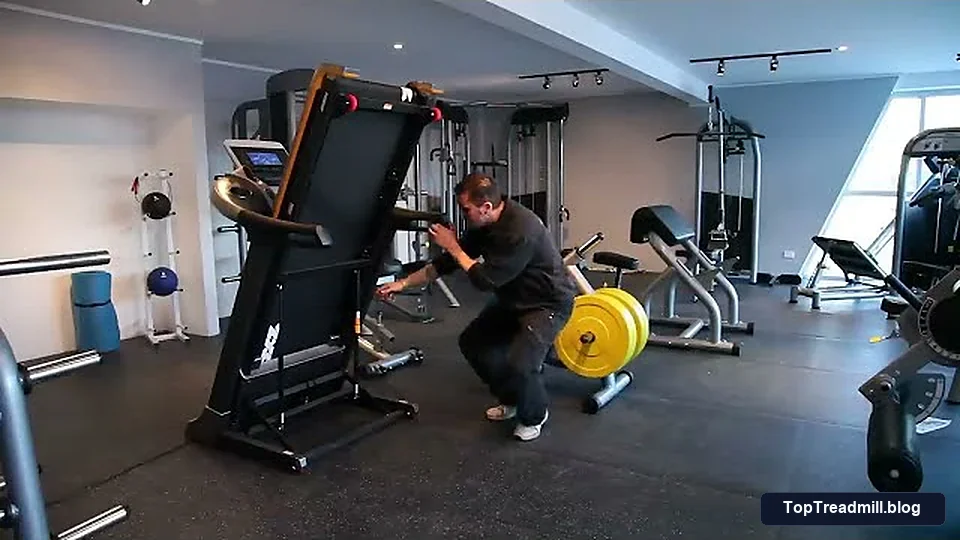
The base frame houses the heavy drive motor and roller assemblies, shifting the center of gravity downward. When evaluating options like our best compact treadmill for running pick, proper grip placement remains vital.
Hydraulic cylinders use compressed nitrogen to assist your lift, reducing the perceived weight of the running deck. Understanding this assistance ensures you do not force the hinge beyond its manufactured limits.
Frame brackets endure high lateral stress during routine walking sessions, making regular fastener inspections mandatory. Loose bolts near the folding pivot can cause sudden structural shifting during vertical lifting operations.
- Identify the exact center of gravity before lifting.
- Never force hydraulic cylinders past their hard stops.
- Inspect hinge bolts monthly for any micro-vibration loosening.
- Keep hands clear of pinch zones near pivot brackets.
Gas-Strut Cylinder Mechanics
Gas struts rely on internal pressure seals to counterbalance the heavy running deck efficiently. If these seals degrade over time, the lifting assistance drops noticeably during vertical transitions.
Never puncture or apply direct heat to gas-strut cylinders under any circumstances. Doing so can cause explosive decompression and severe personal injury within your home workshop space.
- Check piston shafts for oil residue leaks.
- Replace matching OEM struts in matched pairs.
Pivot Point Stress Distribution
The primary hinge joint bears the entire shear load when the treadmill rests in a vertical position. Ensuring this bracket remains rigid prevents frame twisting and premature material fatigue.
Keep lubricating oil away from friction-fit pivot pins unless specified by the manufacturer manual. Excess oil attracts dust particles, creating an abrasive paste inside the joint.
- Keep pivot housings free of carpet fibers.
- Verify alignment pins engage smoothly every time.
Step-by-Step Upright Folding Protocol
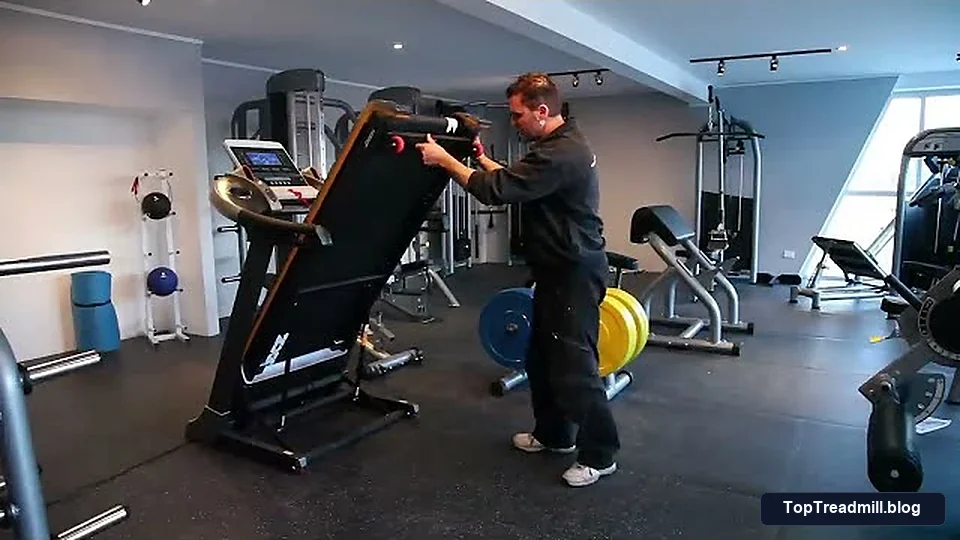
Executing a safe fold, especially for units highlighted in our best fold up treadmill for seniors lineup, requires methodical preparation. Disconnect power completely and secure the cord.
Stand firmly behind the rear roller of the running deck and establish a secure, balanced grip. Lift upward with your legs while keeping your back straight to protect your lumbar spine.
Continue lifting smoothly until the hydraulic piston engages with an audible locking click. Confirm the latch has fully seated before letting go of the running deck completely.
Check that the safety tether key is removed and stored safely away from inquisitive children or pets. This extra step prevents accidental belt activation upon future power restoration routines.
- Always disconnect AC power before initiating a fold.
- Use proper leg lifting form to avoid strain.
- Listen for the distinct mechanical locking click.
- Store the safety magnetic key separately.
Securing the Hydraulic Latch Safely
The locking mechanism is your primary defense against sudden, unexpected deck drops. Always visually inspect the latch hook to verify complete engagement with the matching frame pin.
Never rely solely on the hydraulic resistance to hold the deck without verifying the mechanical lock. Cylinders can fail under continuous static pressure if thermal conditions fluctuate.
- Inspect the latch hook for hairline cracks.
- Ensure the release lever springs back freely.
Managing Power Cords and Console Angles
Dangling power cables can easily get crushed beneath the folding frame during storage transitions. Always coil the cord securely using twist ties before tilting the machine upright.
Fold down any adjustable console arms or tablet holders to minimize the total vertical profile. This prevents accidental impact damage against low ceilings or adjacent furniture pieces.
- Bundle excess cord length with Velcro straps.
- Lock console arms into their lowest detents.
Video Walkthrough: Best Folding \u0026 Compact Treadmills: Our Top Picks
Selecting the Ideal Residential Storage Environment
Environmental factors play a massive role in preserving models featured in our best compact treadmill for small spaces guide during extended non-use. High indoor humidity can rapidly corrode internal steel components.
Choose a climate-controlled room where temperature swings remain minimal throughout the changing seasonal cycles. Garages and uninsulated sheds often expose electronics to damaging condensation and extreme temperature loads.
Ensure the designated storage zone provides adequate clearance from direct sunlight, which degrades rubber belts. UV exposure dries out running surfaces, causing premature cracking and friction coefficient loss.
Keep the unit away from heavy traffic areas where passing family members might bump the vertical frame. Accidental lateral impacts can compromise the locking latch and tip the machine over.
- Maintain ambient humidity below fifty percent levels.
- Avoid uninsulated garages prone to heavy condensation.
- Keep units away from direct window sunlight exposure.
- Provide a clear perimeter buffer for safety.
Humidity and Temperature Control Strategies
Moisture accumulation inside motor compartments leads to dangerous electrical shorts and bearing oxidation. Placing a portable dehumidifier nearby safeguards your sensitive console electronics during damp summer months.
Extreme cold makes rubber walking belts stiff and brittle prior to initial warm-up phases. Allow the equipment to acclimate to room temperature before plugging it in for workouts.
- Use silica gel packets near console storage bins.
- Monitor room dew point levels with a hygrometer.
Surface Protection and Floor Loading
Upright folding concentrates heavy static weight onto a very small caster wheel footprint. Placing a high-density equipment mat underneath distributes this pressure evenly across residential flooring materials.
Avoid placing folded treadmills on thick, plush carpets that lack firm subfloor support. Carpet fibers can compress unevenly, causing the vertical storage frame to lean dangerously over time.
- Install high-density rubber equipment mats beneath casters.
- Check floor levelness using a standard bubble tool.
Unfolding and Deployment Best Practices
Reverting your treadmill to operational status, particularly after checking dimensions with our treadmill deck size calculator, demands strict safety awareness. Begin by clearing floor obstructions behind the machine.
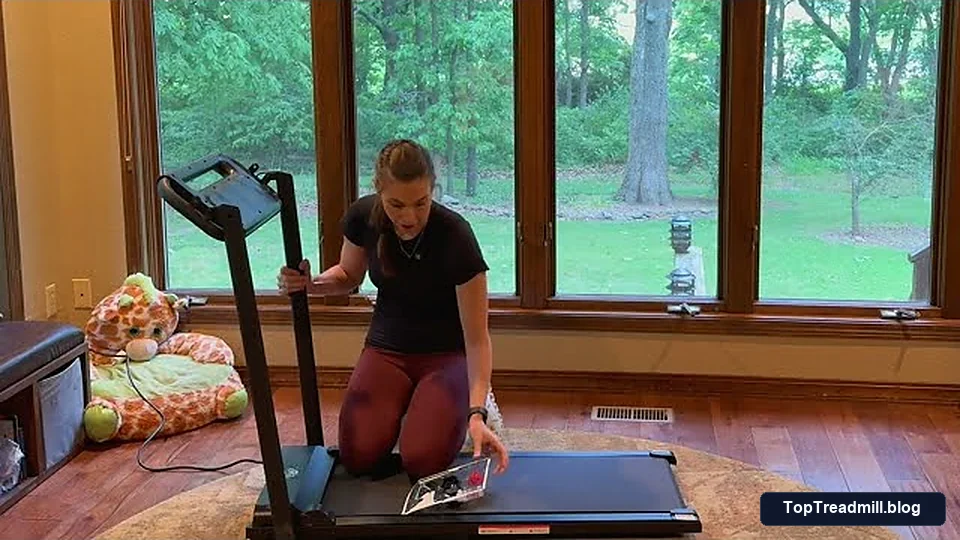
Firmly support the upright running deck with one hand while releasing the hydraulic latching lever. Gently push the deck away from your body to disengage the locking mechanism safely.
Guide the running deck downward in a controlled manner using your leg muscles for support. Never let the deck drop freely under its own weight to protect internal structural welds.
Ensure all transport wheels lift completely off the floor once the deck is fully lowered. The machine must rest squarely on its rubber feet to maintain stability during high-speed running.
- Clear all floor debris before lowering the deck.
- Support the weight manually while releasing the latch.
- Lower the running platform in a slow motion.
- Verify all rubber feet touch the floor firmly.
Releasing the Hydraulic Latch Mechanism
Press the hydraulic release pedal gently with your foot while maintaining upward hand tension. This technique prevents sudden shock loads from transferring directly into your wrist joints.
If the latch sticks, apply a small amount of dry silicone lubricant to the pivot bolt. Never use heavy grease that attracts grit and jams the release mechanism permanently.
- Keep feet clear of the descending deck path.
- Apply dry lubricant to sticky release levers.
Verifying Base Stability Prior to Use
Rock the console gently from side to side to check for any uneven leg contact. Adjust the leveling feet underneath the main base frame until all rocking completely ceases.
An unstable base causes excessive frame flex, which ruins bearing alignment and motor longevity. Always verify rock-solid stability before stepping onto the moving walking belt surface.
- Adjust threaded foot pads to eliminate wobbles.
- Test frame rigidity with moderate lateral force.
Preventive Maintenance During Stored Periods
Stored treadmills still require routine technical care to prevent dust accumulation and belt drying issues. Wipe down exposed frame surfaces with a microfiber cloth to remove airborne particulate matter.
Apply a light coat of 100% silicone lubricant beneath the walking belt every few months. This keeps the deck conditioned even when the machine sits idle in upright storage positions.
Periodically check all visible screws and bolts for signs of vibration-induced backing out. Tighten any loose hardware using the hex wrenches supplied by the original equipment manufacturer guidelines.
Keep the motor ventilation slots covered with a breathable dust sheet to block debris. Never use airtight plastic wraps that trap residual moisture against metallic motor housing components.
- Dust vertical surfaces with a damp microfiber cloth.
- Lubricate running belts quarterly during extended storage.
- Inspect all structural fasteners for tightness regularly.
- Use breathable fabric covers instead of plastic sheets.
Walking Belt Conditioning While Idle
Extended upright storage can cause the silicone lubricant on the running board to pool downward. Redistribute the lubricant manually by running the belt briefly at low speeds after unfolding.
Inspect the belt edges for fraying or lateral tracking drift caused by uneven storage tension. Correct any alignment issues immediately before resuming your regular daily walking routines.
- Run belt slowly after long storage periods.
- Check edge alignment before starting workouts.
Electrical System and Console Care
Protect internal console ports from dust infiltration by inserting rubber plugs if available. Dust buildup inside audio jacks or safety key slots can trigger erratic error code readings.
Inspect the power inlet socket on the treadmill frame for bent pins or corrosion. Clean the metal contacts gently using an electronics contact cleaner and a soft cotton swab.
- Keep console ports shielded from airborne dust.
- Inspect power entry modules for oxidation signs.
Video Walkthrough: NORDICTRACK COMMERCIAL 1750 BEST FOLDING TREADMILL
Transporting and Moving Folded Compact Units
Moving a folded compact treadmill requires utilizing the built-in transport wheels correctly. Tilt the machine toward you at a safe angle until the wheels bear the primary weight load.
Never attempt to roll a folded treadmill across thick carpets or rough outdoor terrain surfaces. Transport wheels can jam easily, causing the heavy vertical frame to tip over unexpectedly.
Enlist a second person to help guide the machine if you need to navigate narrow hallways or doorways. Team lifting prevents accidental wall collisions that could damage console components.
Secure any loose power cords or folding arms with painter's tape before starting your transport route. This stops swinging accessories from scratching delicate plastic housings or striking door frames.
- Tilt machine onto transport wheels carefully.
- Avoid rolling units over thick carpet transitions.
- Use two people for navigating tight hallways.
- Secure loose cables before moving equipment.
Utilizing Transport Wheels Properly
Transport wheels are engineered for smooth indoor flooring surfaces like hardwood or tile. Inspect the wheel bearings regularly to ensure they spin freely without binding up with hair.
Lift only from designated frame lift points rather than fragile plastic console shrouds. Pulling on decorative trim pieces will snap mounting tabs and ruin the equipment aesthetic.
- Clean wheel axles of trapped debris.
- Lift exclusively from sturdy steel frame tubes.
Navigating Doorways and Tight Corners
Measure standard doorway widths prior to attempting to roll a folded treadmill into a new room. Some compact units require slight tilting to clear tight door frame mouldings safely.
Move slowly and maintain a low center of gravity while pivoting the machine around sharp corners. Sudden twisting movements can strain your lower back or damage the base hinges.
- Measure door clearances before moving units.
- Pivot slowly around sharp room corners.
Troubleshooting Folding and Latching Failures
A malfunctioning hydraulic latch can leave your treadmill stuck in either position. Inspect the release cable tension to ensure it pulls the locking pin back completely during operation.
If the running deck feels excessively heavy during lifting, the gas-strut cylinder has likely lost pressure. Replace the worn-out cylinder immediately with an identical replacement part from the manufacturer.
Misaligned frame brackets can prevent the locking pin from seating securely into its receptacle slot. Loosen the hinge bolts slightly, adjust the frame alignment, and retighten everything securely.
Never force a jammed folding mechanism using excessive physical leverage or heavy hand tools. Doing so bends critical steel linkages and turns a minor adjustment into a major repair.
- Check release cable tension for proper actuation.
- Replace failed gas-strut cylinders promptly.
- Align frame brackets if latches fail to seat.
- Avoid using heavy tools to force jammed hinges.
Fixing Stiff or Jammed Release Levers
Stiff release levers usually stem from accumulated dirt or lack of pivot lubrication. Clean the mechanical linkage area thoroughly with compressed air before applying any fresh lubricant drops.
Check for bent control rods that connect the foot pedal to the actual locking pin. Straighten or replace any distorted linkages to restore smooth, effortless latch disengagement functions.
- Clear linkage pivot points with compressed air.
- Inspect control rods for physical bending.
Addressing Lost Hydraulic Lifting Power
A sudden loss of lifting assistance indicates internal seal failure within the gas strut. Do not attempt to repair pressurized cylinders yourself; always install a brand-new replacement assembly.
Support the elevated deck securely with a sturdy prop rod while waiting for replacement parts. Never leave an unsupported deck resting precariously when the hydraulic lift has failed.
- Order exact OEM replacement gas struts.
- Prop elevated decks securely during maintenance.
Frequently Asked Questions
Can I leave my compact treadmill folded upright permanently?
Leaving your compact treadmill folded upright is completely safe and practical for daily residential space management as long as the mechanical safety latch is fully engaged with its locking pin.
However, you should still lower the running deck periodically to keep internal bearings active and the walking belt properly conditioned against premature surface drying and friction wear.
What causes the hydraulic lift cylinder to stop working?
Internal nitrogen gas pressure degrades steadily over time through microscopic seal wear, heavy lifting stress, and normal residential thermal fluctuations across changing seasonal cycles.
Replacing the failed gas-strut cylinder promptly with an exact manufacturer replacement part safely restores smooth lifting assistance and completely prevents unexpected deck drops during your daily folding routines.
Is it safe to store a compact treadmill in a garage?
Uninsulated garages and outdoor sheds expose internal circuit boards to damaging moisture condensation, high humidity levels, and extreme temperature swings throughout the entire year.
Always choose a climate-controlled indoor room to safely protect your sensitive console electronics from premature electrical corrosion, component shorting, and expensive motor bearing failure over time.
How do I prevent the walking belt from drying out in storage?
Apply one hundred percent pure silicone lubricant beneath the walking deck every few months even during extended periods of non-use and vertical storage.
Running the belt slowly at low speeds immediately after unfolding helps redistribute the lubricant evenly across the running board surface to maintain peak mechanical performance.
What should I do if the transport wheels get stuck?
Check the wheel axles thoroughly for trapped carpet fibers, pet hair, or accumulated dust debris that might bind up the internal roller bearings.
Cleaning the axle and applying a drop of light machine oil restores smooth rolling mobility instantly without scratching your floors.