Average Lifespan of Home Treadmill Motor: Wear & Care
Understanding how long your home fitness equipment motor lasts helps prevent unexpected breakdowns. Proper maintenance directly extends internal component durability.


The average home treadmill motor lasts between seven to twelve years depending on usage intensity, preventative maintenance frequency, and ambient environmental humidity levels.
Ready to compare models? Start with our Best Treadmill: Top Home Cardio & Under-Desk Picks (2026).
Practical Quick-Reference Table
| Scenario / Metric | Recommended Target | Why It Matters |
|---|---|---|
| Continuous Horsepower | 2.5 to 4.0 CHP | Ensures motor handles sustained runner weight without premature overheating. |
| Ambient Humidity | Below 50 percent | Prevents internal circuit board corrosion and premature winding degradation. |
| Belt Lubrication | Every 150 miles | Reduces friction loads that directly stress the drive motor. |
| Deck Inspection | Monthly alignment check | Prevents uneven friction spikes from damaging the flywheel bearings. |
| Operating Voltage | Stable 110-120V line | Protects sensitive motor control boards from damaging voltage surges. |
| Cooling Fan Speed | Constant airflow | Lowers operating temperatures to preserve copper winding insulation life. |
Decoding Drive Motor Construction and Horsepower Ratings
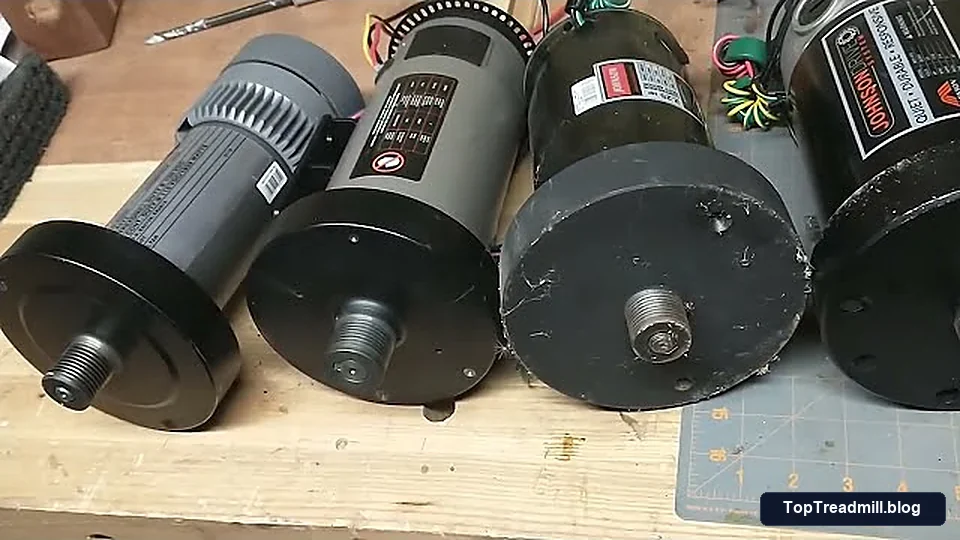
Home treadmill motors typically utilize permanent magnet direct current designs or alternating current systems. Evaluating continuous horsepower versus peak ratings helps you select the best home treadmill for running.
Continuous horsepower defines the sustained power output a motor can deliver without overheating. Peak horsepower measures maximum momentary output during high-speed sprinting intervals or steep incline climbs.
Brushless direct current motors offer superior efficiency and reduced mechanical wear over traditional brushed configurations. Understanding these foundational engineering differences clarifies why certain units endure longer under heavy daily use.
Motor sizing directly correlates with user weight capacity and daily operating duration. Selecting an appropriately rated motor prevents excessive electrical draw and premature thermal breakdown during intense workouts.
- Continuous horsepower dictates your motor's true everyday endurance capability without risking thermal overload during long sessions.
- Permanent magnet designs significantly reduce internal friction and electrical resistance losses over extended operational lifespans.
- Peak horsepower ratings should never be used to gauge long-term mechanical durability or commercial-grade reliability.
- Heavy flywheel construction balances rotational momentum and lowers overall motor strain during footstrike impacts.
Direct Current Versus Alternating Current Systems
Direct current motors dominate residential fitness equipment due to lower manufacturing costs and precise speed control. Alternating current alternatives provide industrial-grade reliability but require complex frequency drive controllers.
Residential electrical circuits easily support standard direct current configurations without requiring specialized 240-volt dedicated wall outlets. This makes home installation straightforward for typical consumer environments.
- Direct current systems offer excellent low-speed torque suitable for heavy walking pad users.
- Alternating current variants generate less internal heat during prolonged running sessions.
Expected Operational Hours and Component Longevity Metrics
Tracking cumulative belt hours provides a much more accurate longevity metric than simply counting calendar years, particularly when selecting the best treadmill for seniors at home with reliable safety features.
Communal household usage significantly accelerates wear schedules compared to single-user ownership models. Multiple daily runners will exhaust brush assemblies and bearing lubricants much faster than average.
Armature commutators experience gradual carbon buildup and physical erosion over thousands of rotation cycles. Regular inspection of these internal parts helps catch minor wear before catastrophic motor failure occurs.
Bearing degradation typically announces itself through high-pitched whining noises during belt acceleration phases. Replacing worn armature bearings promptly protects the surrounding stator windings from physical destruction.
- Tracking total operating hours prevents sudden mechanical surprises during intensive fitness training cycles.
- Multiple household users require doubling your standard maintenance and lubrication frequency schedules.
- Armature commutator inspection prevents unexpected electrical shorts from destroying the control board.
- Prompt bearing replacement saves the entire motor assembly from terminal mechanical seizure.
Quantifying Wear Across Different User Profiles
Walking pad applications place unique continuous torque demands on small motors at low speeds. Running at high speeds generates rapid thermal spikes that test copper wire insulation limits.
Heavy runners require higher continuous horsepower ratings to prevent excessive amperage draw and accelerated thermal fatigue.
- Low-speed walking creates continuous stator stress without adequate fan airflow cooling.
- High-speed sprinting increases transient electrical current spikes across motor brushes.
Video Walkthrough: Treadmill motors explained!
Electrical Demands and Motor Control Board Interactions
The motor control board acts as the central brain regulating voltage delivery to the drive motor. Power fluctuations from household wall outlets can severely compromise this sensitive electronic component.
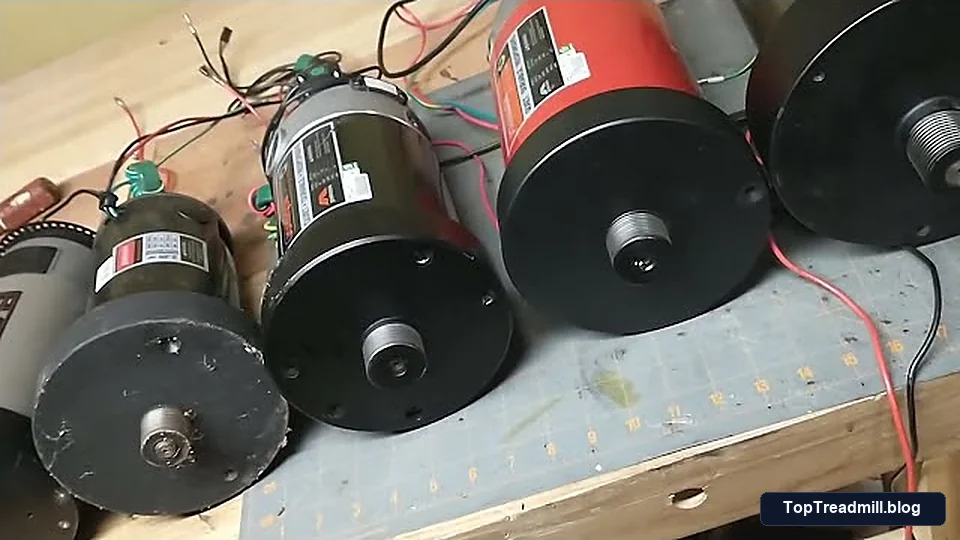
Pulse width modulation technology controls motor speed by rapidly switching electrical current on and off. This constant electronic switching generates significant heat that requires effective heatsink dissipation.
A failing motor control board often exhibits erratic speed surges or sudden unprovoked belt stoppages. Diagnosing these electrical symptoms early prevents permanent damage to the primary drive motor windings.
Inspecting wiring harnesses for loose connections ensures clean electrical conductivity throughout the equipment chassis. Corroded terminals increase resistance and force the motor to draw excess current.
- Motor control boards require stable voltage supplies to prevent erratic speed regulation issues.
- Pulse width modulation generates substantial internal heat requiring adequate chassis ventilation space.
- Erratic speed surges often signal impending electronic failure within the primary power transistors.
- Clean terminal connections reduce electrical resistance and protect internal motor copper windings.
Surge Protection and Clean Power Delivery
Plugging your equipment directly into standard wall outlets exposes sensitive circuit boards to power spikes. Dedicated surge protectors shield expensive internal electronics from unexpected grid fluctuations.
Low voltage conditions force motors to draw higher amperage to maintain speed, accelerating thermal wear.
- Always utilize a dedicated high-joule surge protector for heavy fitness equipment.
- Avoid daisy-chaining extension cords which induce dangerous voltage drops under load.
Thermal Management and Internal Cooling Systems
Heat represents the single greatest enemy to electric motor longevity and insulation integrity. Integrated cooling fans push ambient air across the armature to dissipate operating temperatures effectively.
Dust accumulation inside the motor compartment insulates internal components and traps damaging operational heat. Regular vacuuming of the motor shroud prevents premature thermal breakdown of copper windings.
Running the equipment inside enclosed spaces with poor ventilation restricts vital cooling airflow exchange. Maintaining adequate clearance around the base ensures optimal thermal regulation, especially when operating our best home treadmill with incline.
Thermal overload switches automatically shut down the system when internal temperatures reach dangerous thresholds. Repeated tripping of this safety mechanism indicates underlying mechanical friction or electrical faults.
- Thermal management systems dictate whether a motor survives heavy multi-user household environments.
- Dust accumulation acts as thermal insulation and traps damaging heat inside enclosures.
- Enclosed workout spaces restrict cooling airflow and elevate internal operating temperatures.
- Repeated thermal switch trips point to unresolved mechanical friction or electrical resistance.
Cleaning and Shroud Ventilation Best Practices
Removing the motor shroud every six months allows you to clear accumulated dust and pet hair. Compressed air safely dislodges debris from cooling fins without damaging delicate wiring harnesses.
Ensuring unobstructed airflow vents keeps internal operating temperatures well below critical insulation breakdown limits.
- Always unplug the equipment from the wall before removing the motor shroud.
- Use low-pressure canned air to gently clean sensitive electronic control components.
Lubrication Friction and Mechanical Resistance Factors
Excessive friction between the running belt and walking deck forces the motor to work harder. Using our deck size calculator helps prevent this increased mechanical resistance and motor overheating.
Applying silicone-based lubricants at recommended intervals maintains a low friction coefficient across the deck. Neglecting this simple chore drastically shortens the operational lifespan of your drive motor.
Walking belt tension must be adjusted precisely to prevent unnecessary side-load bearing stress. Over-tightened belts squeeze rollers aggressively and place continuous strain on the front drive shaft.
Checking deck surface wear reveals hidden friction points that silently drain motor power output. Flipping or replacing worn reversible decks restores smooth operation and protects the entire drive train.
- Deck friction directly increases electrical amperage draw and stresses motor windings.
- Regular silicone lubrication maintains optimal slip between the belt and running deck.
- Precise belt tensioning prevents excessive side-load pressure on front roller bearings.
- Reversible deck maintenance eliminates hidden resistance spikes that exhaust drive motors.
Measuring Running Belt Drag and Tension
Checking belt tension requires verifying that the material does not slip under footstrike loads. Excessively loose belts cause erratic motor speed adjustments and unnecessary electrical stuttering.
Measuring running deck friction with a pull-scale ensures your motor operates within factory tolerances.
- Test belt slip by placing firm foot pressure while the belt moves slowly.
- Adjust rear roller bolts equally to maintain proper belt tracking alignment.
Preventative Diagnostic Protocols and Electrical Testing
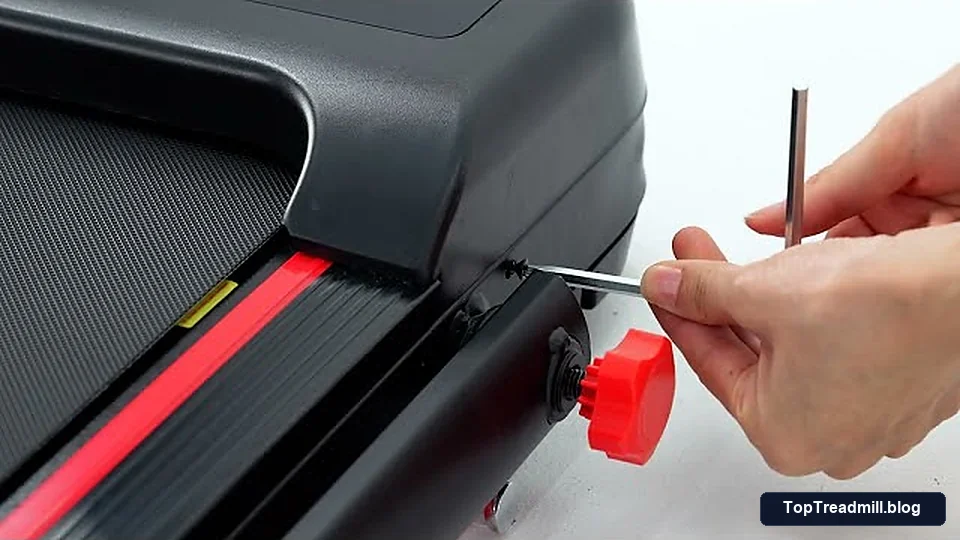
Routine multimeter testing of armature resistance helps identify failing motor windings before total failure. Checking continuity across terminals confirms whether internal copper coils remain fully intact.
Listening closely for unusual mechanical grinding noises during operation catches bearing degradation early. Catching these warning signs allows you to perform inexpensive repairs instead of full replacements.
Inspecting carbon brushes on older direct current motors reveals remaining usable material length. Worn brushes cause sparking and scoring on the commutator cylinder if left unaddressed.
Monitoring current draw with a clamp meter during a workout verifies normal electrical operation. Higher than normal amperage readings indicate hidden mechanical binding within the drive system.
- Multimeter testing catches hidden winding breaks before they cause control board failure.
- Unusual mechanical grinding noises point directly to failing armature roller bearings.
- Carbon brush inspections prevent destructive sparking across the copper commutator cylinder.
- Clamp meter amperage checks reveal hidden mechanical binding within the drive train.
Checking Motor Brushes and Commutator Health
Direct current motors rely on sliding carbon brushes to transfer electrical current to the armature. Inspecting these consumable parts annually ensures uninterrupted power transmission during exercise sessions.
Cleaning carbon dust from the commutator surface prevents electrical arcing and component degradation.
- Replace carbon brushes once they wear down below one-quarter inch length.
- Clean the commutator slots gently with specialized electrical contact cleaner.
Restoration Versus Replacement Decision Framework
Deciding whether to rebuild a failing motor or purchase a replacement depends on unit age. Severe winding burnouts usually justify complete motor replacement rather than expensive professional rewinding services.
Evaluating overall equipment condition helps determine if investing in new drive components remains economical. Older frames with worn structural welds rarely justify the cost of new motor installations.
Sourcing exact factory replacement motors ensures proper mounting alignment and electrical compatibility. Generic aftermarket alternatives may lack necessary mounting brackets or cooling fan configurations.
Consulting professional technician guidelines before attempting major electrical repairs ensures safe workshop practices. Handling high-voltage capacitors requires proper discharging procedures to prevent severe personal injury.
- Winding burnouts generally require complete motor replacement rather than simple repairs.
- Equipment age and structural frame condition dictate whether component investment is wise.
- Factory replacement parts guarantee proper mounting alignment and electrical compatibility.
- Always discharge capacitors safely before servicing internal motor control electronics.
Evaluating Overall Machine Investment Value
Calculate the age of your equipment alongside the cost of replacement drive components. If total repair expenses exceed half the cost of a new unit, replacement is practical.
Ensuring structural safety and deck integrity remains vital before investing in motor repairs.
- Weigh repair costs against the remaining lifespan of structural frame components.
- Prioritize safety standards and electrical certification when sourcing replacement parts.
Frequently Asked Questions
How many years does a typical home treadmill motor last?
A standard home treadmill motor typically lasts between seven to twelve years with proper preventative maintenance. Cumulative operating hours and user weight loads heavily influence this timeframe.
What are the primary signs of an failing drive motor?
Failing motors often emit high-pitched whining noises, burning smells, or cause erratic belt speeds. Unusual electrical sparks visible through the motor vents also signal immediate trouble.
Does walking pad usage wear out small motors faster?
Walking pads often stress small motors because low speeds reduce internal cooling fan efficiency. Continuous low-speed torque creates significant thermal buildup in compact motor housings.
How often should I clean dust out of the motor compartment?
You should vacuum and clear dust from the motor compartment every six months to prevent overheating. Removing accumulated pet hair and debris preserves internal insulation integrity.
Can belt friction cause a treadmill motor to burn out?
Excessive friction between the running belt and deck forces motors to draw dangerously high amperage. Regular silicone lubrication prevents this friction and protects the drive system.