Walkingpad P1 vs C1: Concise Verdict
Navigating under-desk treadmills requires understanding fold mechanics and motor outputs. This guide compares the Walkingpad P1 and C1 to help you choose wisely.

Choose the Walkingpad P1 for patented 180-degree folding and ultra-slim storage. Opt for the C1 model if you prioritize a reinforced frame structure and higher daily step efficiency.
Compare all top models in our Best Treadmill: Top Home Fitness Picks (2026 Guide).
Side-by-Side Breakdown
| Criteria | Walkingpad P1 | C1 | Edge |
|---|---|---|---|
| Core Design / Build | Patented 180-degree fold frame with aluminum alloy structure | Compact single-fold chassis with reinforced steel side rails | Walkingpad P1 |
| Real-World Performance | Adaptive speed control up to 3.7 mph for steady work sessions | Consistent brushless motor output maintaining smooth low speeds | C1 |
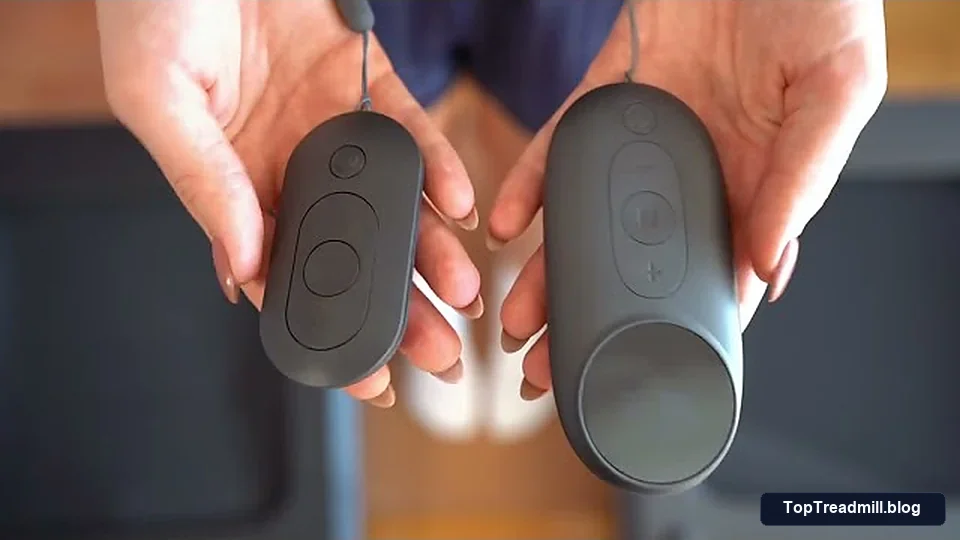
| Ease of Setup & Use | Fully assembled out of the box with intuitive remote operation | Tool-free deployment featuring quick-release locking mechanisms | Walkingpad P1 |
| Durability & Reliability | Rated for users up to 220 pounds with multi-layer cushioning | Enhanced structural integrity supporting slightly heavier continuous loads | C1 |
| Efficiency / Operating Footprint | Ultra-low deck height reducing ceiling clearance and storage depth | Slightly taller deck profile providing enhanced internal motor cooling | Walkingpad P1 |
| Maintenance Requirements | Requires periodic belt alignment and standard silicone oil lubrication | Simplified maintenance port for fast silicone application intervals | C1 |
| Best Ideal Use Case | Tight home offices requiring vertical or under-sofa fold storage | Dedicated standing desk environments with frequent walking intervals | C1 |
Core Design and Engineering Differences
Examining the underlying engineering reveals distinct structural philosophies between these two popular walking pads. Manufacturers utilize unique alloy compositions to balance overall unit weight with long-term structural rigidity during daily use.
Highlighting folding mechanics, our Kingsmith Walkingpad C2 review explores how hinge designs achieve compact footprints. Engineers successfully minimized storage dimensions without ever compromising essential running belt stability.
- The Walkingpad P1 utilizes a patented 180-degree folding deck that collapses completely flat for effortless vertical storage.
- The C1 competitor features an alternative frame geometry emphasizing rigid side rails over maximum fold reduction capabilities.
- Both models integrate minimalist display panels embedded directly beneath the walking belt surface for clean aesthetics.
Chassis Materials and Frame Rigidity
Frame construction directly influences how much vibration transfers through your flooring during extended walking sessions. High-grade aluminum alloys keep the overall weight low while maintaining adequate tensile strength against bending forces.
Reinforced steel stress points prevent frame warping under repetitive heel strikes over months of continuous daily operation.
- Aluminum composite structures reduce total unit weight for easier room-to-room portability.
- Steel reinforcement brackets protect critical hinge pivot points from premature mechanical wear.
Deck Height and Ergonomic Clearance
Low profile deck heights minimize the risk of clipping your toes against standard office furniture bases. Maintaining a minimal step-up height ensures your natural stride remains unaltered while working at a desk.
Ergonomic clearances dictate how well the treadmill integrates with various standard and adjustable standing desks.
- Ultra-thin walking decks keep your center of gravity close to the floor for enhanced stability.
- Low step-up heights eliminate the need for specialized ergonomic step ramps or platform accessories.
Real-World Walking Performance Comparison
Detailed insights inside our Kingsmith Walkingpad R2 Pro review examine belt traction and motor responsiveness. Subtle differences in controller programming dictate how smoothly the deck reacts to your foot placement.
Users walking while typing demand consistent speed delivery without sudden surges or hesitation during pacing shifts.
- Automatic speed sensors track your foot position on the belt to adjust velocity without manual remote inputs.
- Manual control modes via handheld remotes provide predictable, fixed speed increments for structured walking routines.
- Belt friction management ensures smooth momentum even under heavier user weight loads during long sessions.
Speed Regulation and Motor Response
Brushless motor technology delivers quiet operation and rapid torque adjustments during active pacing changes. Consistent power delivery prevents belt stutter when transitioning from standing to walking speeds.
Advanced microprocessors monitor belt load constantly to maintain selected speeds without noticeable motor strain.
- Quiet brushless motors operate below normal office ambient noise thresholds during calls.
- Rapid motor response minimizes lag when stepping onto the moving belt surface initially.
Belt Traction and Cushioning Layers
Multi-layer walking belts feature textured surfaces designed to maximize shoe grip and reduce joint impact. High-density EVA cushioning layers absorb shock effectively to protect your knees and lower back.
Proper belt tracking mechanisms prevent edge fraying and reduce the frequency of manual alignment adjustments.
- Textured anti-slip belt surfaces provide secure footing even with standard office footwear.
- Shock-absorbing cushion layers lower impact forces compared to walking on hard flooring.
Setup, Portability, and Storage Mechanics
Convenience factors heavily influence how often you will actually use an under-desk walking pad daily. Heavy, cumbersome units often remain stored away, whereas lightweight models encourage spontaneous movement breaks.
Integrated transport wheels and slim storage profiles make stowing the equipment beneath furniture straightforward.
- Transport wheels positioned at the front allow you to tilt and roll the treadmill effortlessly across carpets.
- Compact folded dimensions enable vertical storage behind doors or horizontal placement beneath low sofas.
- Zero assembly requirements mean you can unpack and begin walking within minutes of delivery.
Unboxing and Initial Deployment
Straightforward unboxing procedures prevent user frustration and eliminate the need for complicated tool sets. Pre-assembled core components let you focus purely on placement and initial power calibration.
Clear instructional guides help users master the remote control pairing and safety key procedures quickly.
- Pre-assembled frames require zero mechanical wrenching or complicated bolt alignments.
- Intuitive quick-start guides detail initial calibration steps for safe remote operation.
Storage Footprints and Transport Ease
Optimizing your office space depends on how easily the treadmill tucks away after use. Transport handles and balanced weight distribution make vertical lifting safe for most everyday users.
Slim folding designs protect sensitive electronic displays from accidental impacts during storage positioning.
- Balanced weight distribution ensures safe vertical lifting into narrow closet spaces.
- Protective end caps prevent scratching your baseboards when storing the unit upright.
Durability, Frame Integrity, and Materials
Long-term ownership satisfaction relies on robust component manufacturing and resilient chassis materials. Evaluating frame welding quality and stress tolerances helps predict how the machine handles years of use.
Quality control standards during production dictate whether internal wiring harnesses remain secure against vibrations.
- Reinforced steel structural joints resist fatigue cracking under continuous daily multi-user workloads.
- Corrosion-resistant metal coatings protect exposed frame surfaces from sweat and environmental humidity.
- High-grade wiring connectors withstand constant flexing during folding and unfolding cycles.
Stress Tolerances and Weight Capacities
Engineering load limits ensure safe operation across a wide demographic of daily office workers. Exceeding recommended weight thresholds accelerates deck wear and strains internal motor components prematurely.
Rigorous structural testing validates frame stability under maximum rated user weight loads.
- Rated weight capacities accommodate standard users comfortably with safety margin buffers.
- Robust deck platforms prevent excessive flexing under heavy heel strike impacts.
Component Longevity and Wear Parts
Drive belts, walking decks, and motor brushes represent typical wear items requiring periodic inspection. Selecting units with easily replaceable spare parts extends the total operational lifespan significantly.
Preventative maintenance schedules protect these vital wear components from premature failure.
- Replaceable drive belts ensure long-term mechanical power transmission reliability.
- Durable deck laminates resist friction burns caused by insufficient lubrication intervals.
Efficiency, Motor Specs, and Operating Footprint
When choosing our best walkingpad recommendations, electrical efficiency matters for shared office spaces. Low power consumption prevents circuit overloads and keeps utility costs remarkably minimal during daily use.
Optimized motor designs convert electrical current into mechanical movement with minimal heat dissipation.
- Energy-efficient brushless motors draw minimal continuous amperage during standard walking speeds.
- Low thermal output prevents internal overheating during extended multi-hour walking blocks.
- Standard wall outlet compatibility ensures you can plug the unit in anywhere without special wiring.
Power Consumption and Electrical Safety
Modern under-desk treadmills utilize intelligent power management to reduce standby electricity draws. Integrated circuit breakers protect internal electronics from sudden power surges originating from wall sockets.
Efficient motor controllers regulate voltage smoothly to prevent annoying flickering in office lights.
- Low standby power draws eliminate the need to unplug the unit after every session.
- Built-in surge protection safeguards sensitive microchips against electrical grid fluctuations.
Acoustic Footprint and Noise Levels
Low operating noise levels are crucial for users who take frequent phone calls while walking. Sound-dampening internal mounts isolate motor vibrations away from the outer plastic housing shell.
Quiet belt rotation prevents disruptive humming sounds from echoing through office floors.
- Sound-isolated motor mounts reduce high-frequency whines during speed adjustments.
- Quiet belt glide ensures seamless integration into open-plan work environments.
Routine Maintenance and Lubrication Protocols
Proper upkeep preserves smooth belt movement and prevents excessive friction against the walking deck. Establishing a consistent maintenance routine ensures your equipment operates quietly for many years.
Outlined thoroughly within our Kingsmith Walkingpad R2 technical review, routine lubrication intervals require minimal technical skill. Properly maintaining your walking deck takes only a few simple minutes every month.
- Periodic silicone oil application keeps the running belt gliding smoothly over the composite deck.
- Routine belt tension checks prevent slippage during heavier walking strides and directional shifts.
- Keeping the deck surface free of dust buildup prevents premature motor and belt wear.
Silicone Lubrication Procedures
Applying specialized silicone lubricant beneath the walking belt reduces operational friction and heat. Following manufacturer instructions prevents over-lubrication, which can cause unwanted belt slippage issues.
Regular lubrication schedules protect the motor from working harder than necessary during use.
- Accessible lubrication ports make applying silicone fluid quick and mess-free.
- Recommended intervals depend on weekly usage hours and total distance walked.
Belt Alignment and Tensioning
Walking pads occasionally require minor belt alignment tweaks using an included Allen wrench. Keeping the belt centered prevents edge fraying and maintains consistent acoustic performance.
Proper tension balance ensures the motor shaft turns without unnecessary bearing stress.
- Rear roller adjustment bolts allow precise lateral belt tracking corrections.
- Checking tension monthly prevents unexpected slippage during active walking sessions.
Matching Your Workspace Setup and Walking Style
Selecting the right treadmill depends heavily on your specific workspace layout and daily habits. Analyzing your typical work routine helps determine whether folding convenience or continuous durability matters most.
Matching machine specifications to your personal stride style guarantees long-term ergonomic comfort.
- Assess your available storage space to decide if 180-degree folding is an absolute necessity.
- Consider your daily walking duration to choose a model built for extended thermal efficiency.
- Evaluate your desk height clearance to ensure comfortable ergonomics while typing and walking.
Office Integration and Layout Planning
Positioning your walking pad correctly enhances productivity and prevents awkward cable routing hazards. Ensuring clear pathways around your standing desk keeps your workspace safe and organized.
Thoughtful cable management prevents accidental tripping hazards during active work sessions.
- Clear floor layouts allow seamless transitions between sitting, standing, and walking modes.
- Thoughtful power cord placement prevents snags during folding and storage maneuvers.
Determining Your Ideal Model Match
Weighing the unique pros of both options clarifies which machine aligns with your goals. Prioritizing features like folding compactness versus raw structural durability simplifies your final purchasing decision.
Investing in the right equipment ensures lasting satisfaction and healthier daily habits.
- Choose the Walkingpad P1 if maximum storage compactness and easy vertical folding are priorities.
- Select alternative robust models if you need enhanced durability for heavy daily usage routines.
Frequently Asked Questions
Can I use these walking pads on thick office carpets?
Low-pile carpets work fine, but thick carpets restrict airflow underneath and cause overheating. Always use a hard floor mat to protect your motor.
How often should I lubricate the walking belt?
Apply specialized silicone oil every few months depending on your weekly mileage. Regular lubrication prevents excessive friction and extends motor lifespan.
Do these treadmills require professional assembly?
Both models arrive fully assembled right out of the box with zero tools required. You simply plug the unit in and pair the remote.
Can I run at high speeds on these machines?
These compact pads are engineered strictly for walking and light jogging up to moderate speeds. Avoid sprinting to prevent safety risks.
How do I adjust the walking belt if it slips?
Use the included Allen wrench to make small quarter-turn adjustments on the rear roller bolts. Proper alignment keeps the belt centered.