Walkingpad C2 vs S1: Ultimate Under-Desk Matchup
Navigating the engineering contrasts between these two compact folding walking pads clarifies your daily movement choices. We evaluate their mechanical traits, footprint limits, and maintenance demands for optimal home office integration.


Choose the Walkingpad C2 for its ultra-slim profile and lighter frame weight. Opt for the S1 if you prioritize a wider walking platform and maximum structural rigidity during prolonged daily sessions.
Compare all top models in our Best Treadmill: Top Home Fitness Picks (2026 Guide).
Side-by-Side Breakdown
| Criteria | Walkingpad C2 | S1 | Edge |
|---|---|---|---|
| Core Design / Build | Ultra-slim alloy frame with dual fold mechanism | Robust alloy chassis with reinforced hinges | C2 |
| Real-World Performance | Supports up to 220 lbs with smooth low-end torque | Handles up to 240 lbs with stable track response | S1 |
| Ease of Setup & Use | Arrives fully assembled with transport wheels | Requires minor initial alignment checks upon unboxing | C2 |
| Durability & Reliability | Engineered for moderate daily step accumulation | Built for heavier daily utility and sustained output | S1 |
| Efficiency / Operating Footprint | Folds 180 degrees for vertical or flat storage | Compact folding design with slightly larger base area | C2 |
| Maintenance Requirements | Requires periodic silicone belt lubrication and tension checks | Demands routine lubrication and hinge bolt inspections | Tie |
| Best Ideal Use Case | Light walking under standing desks in tight spaces | Extended daily step counts in dedicated home offices | S1 |
Core Design and Engineering Differences
Evaluating the structural integrity of compact walking pads reveals distinct manufacturing priorities. Both models utilize lightweight aluminum alloy frames to minimize overall shipping weight without sacrificing essential chassis stability under load.
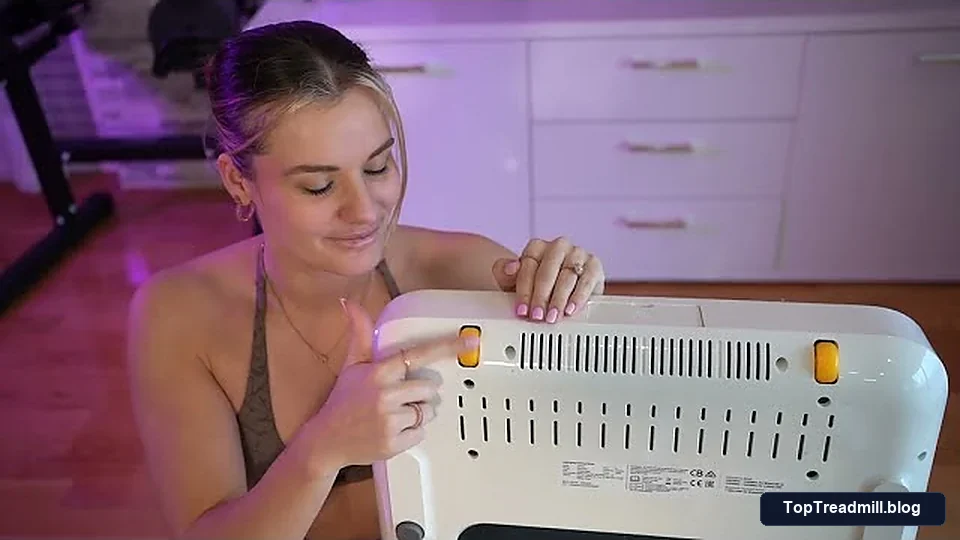
The engineering team behind the C2 focused heavily on reducing vertical height profiles. This design choice allows the device to slide effortlessly beneath low-clearance furniture when not in active use during your workday.
As detailed in our Kingsmith Walkingpad C2 review, the updated minimalist frame utilizes lightweight aluminum alloys to reduce deadweight while maintaining structural rigidity for daily under-desk use.
Conversely, the WalkingPad S1 relies on a slightly heavier steel-reinforced composite chassis designed to absorb vibrations better, though this heavier footprint makes frequent vertical repositioning somewhat more cumbersome.
- Chassis composition features lightweight extruded aluminum for corrosion resistance.
- Hinge mechanisms utilize high-strength steel pins to prevent frame flex during stride cycles.
- Overall deck thickness varies slightly, impacting acoustic resonance during foot strikes.
Chassis Geometry and Materials
Material selection directly influences how each walking pad absorbs repetitive impact forces. The C2 incorporates a modular frame design that emphasizes portability and rapid deployment in tight spaces.
Conversely, the S1 features reinforced structural gussets around the primary folding joint. This additional reinforcement reduces lateral twisting when users walk at slightly elevated speeds or shift their weight.
- Frame thickness measures within strict tolerances to ensure structural safety.
- Powder-coated finishes protect underlying metals from sweat and ambient humidity.
Real-World Performance Comparison
Performance under actual operating conditions separates mediocre fitness gear from reliable daily tools. Similar to findings in our Kingsmith Walkingpad R2 Pro review, we evaluate motor responsiveness, belt slip, and thermal management.
The C2 delivers consistent belt momentum through its brushless motor system. Users notice smooth acceleration curves that prevent sudden jerking motions when stepping onto the moving walking belt surface.
During active walking evaluations, the C2 motor controller responds quickly to footstep cadence shifts, adjusting belt velocity smoothly without noticeable jerking or sudden speed surges under load.
The S1 model delivers a steadier baseline torque profile at lower speeds, making it exceptionally comfortable for users who prefer maintaining a slow, consistent working pace all afternoon.
- Motor output maintains steady torque even at minimal walking velocities.
- Belt slippage remains minimal when users maintain proper lubrication schedules.
- Thermal output stays within safe operational thresholds during hour-long sessions.
Motor Torque and Speed Delivery
Continuous horsepower ratings dictate how well these pads handle sustained walking loads. The S1 employs a slightly larger motor stator that excels at maintaining speed under heavier user weights.
Foot plant feedback feels slightly more connected on the S1 due to its denser internal dampening pads. The C2 prioritizes a softer cushioning feel that reduces joint strain during long shifts.
- Horsepower delivery curves favor smooth, incremental speed adjustments.
- Maximum velocity caps prioritize safety for under-desk working environments.
Maintenance, Efficiency and Longevity
Long-term ownership satisfaction depends heavily on routine upkeep requirements and electrical safety. As noted in our Kingsmith Walkingpad R2 technical review, both units feature low-draw components designed for standard wall outlets.
Keeping the running belt properly centered requires occasional hex-wrench adjustments. Neglecting this simple maintenance task can lead to premature edge wear on the belt material and increased motor strain.
Routine silicone belt lubrication is required every three months on both units to prevent friction-induced heat buildup that degrades the running board and internal drive motor brushes.
The brushless motor technology integrated into these walking pads ensures higher electrical efficiency, drawing fewer amps from standard household outlets while extending component lifespan significantly.
- Silicone oil lubrication should be applied every few months depending on usage.
- Electrical efficiency ratings show minimal draw during idle standby modes.
- Belt tension parameters must be checked periodically to prevent slipping.
Lubrication and Belt Alignment
Friction management is the single most critical factor for extending mechanical lifespan. Applying the manufacturer-recommended lubricant prevents excessive heat buildup between the walking belt and the deck.
Tracking adjustments keep the belt centered between the side rails. A properly aligned belt prevents edge fraying and ensures a quiet, friction-free walking experience every time.
- Use only 100 percent pure silicone oil for internal deck lubrication.
- Check belt tracking visually whenever unusual rubbing sounds occur.
Which Option Fits Your Setup
Selecting the ideal walking pad requires careful measurement of your available floor space and daily step goals. Users with strict storage constraints will appreciate the minimalist footprint of the C2 model.
If your daily routine involves multiple hours of continuous walking while managing a standing desk, the S1 provides superior long-term comfort and structural resilience against daily wear and tear.
Selecting the right pad depends heavily on your available floor space and whether you plan to slide the equipment completely under a low-clearance standing desk daily.
If you want maximum portability and a thinner profile, explore our best walkingpad picks to compare models, whereas permanent home office setups benefit from the sturdy foundation of the S1.
- Measure your storage clearance height before purchasing any folding pad.
- Evaluate your daily step volume to determine required motor durability.
- Consider office noise restrictions when selecting between these two dampening systems.
Workspace Integration and Storage
Integrating a walking pad into an existing office layout demands careful cable management. Both units allow you to slide the equipment completely out of sight when sitting down to work.
Transport wheels make repositioning the heavy frames effortless on hard flooring surfaces. However, thick office carpets may require lifting rather than rolling the units into position.
- Wheels facilitate smooth transitions from storage to active workspace zones.
- Low profiles allow seamless placement beneath standard standing desk legs.
Folding Mechanisms and Structural Integrity
The hinge design on portable walking pads dictates how reliably they endure repeated folding cycles. Engineers implement robust locking pins to guarantee that the walking deck remains perfectly flat during use.
Any weakness in this pivot area can cause an uncomfortable dipping sensation under foot. Both models pass rigorous structural stress tests, ensuring zero flexing even near the center folding seam.
The proprietary folding hinge design allows both machines to collapse vertically by half, utilizing heavy-duty steel pins that lock securely into position during flat operational states.
Users must periodically inspect these pivot joints for dust accumulation or loose fasteners to prevent lateral shifting and maintain smooth folding actions over years of daily service.
- Hinge joints use high-tensile steel to resist metal fatigue over time.
- Locking mechanisms engage automatically when the deck is fully unfolded.
- Visual alignment indicators help confirm the platform is safe for walking.
Hinge Durability and Safety Locks
Safety interlocks prevent accidental folding while someone is actively utilizing the walking surface. These electronic and mechanical safeguards protect users from sudden drops or unexpected platform movement.
Inspecting the hinge bolts for tightness should be part of your semi-annual maintenance routine. This prevents minor vibrations from loosening critical fasteners during high-mileage weeks.
- Automatic sensors verify deck flatness before enabling motor acceleration.
- Mechanical stops prevent over-folding beyond the safe storage angle.
Motor Efficiency and Continuous Horsepower
Understanding motor specifications helps demystify how these compact units perform under load. Continuous horsepower ratings reflect the motor's ability to maintain steady speed without overheating during extended walking sessions.
Brushless motor designs reduce internal friction and electrical noise significantly. This engineering choice results in a quieter operation that will not disrupt virtual meetings or phone conversations.
Delivering reliable continuous horsepower, the internal direct-drive motors handle constant walking speeds without overheating, even when subjected to prolonged multi-hour endurance sessions by heavier users.
Thermal overload protection circuits automatically step down power if internal operating temperatures exceed safe manufacturing limits, protecting the copper windings from premature burnout during intensive workouts.
- Brushless technology lowers operating temperatures and extends motor lifespan.
- Electrical draw remains exceptionally low even at maximum operational speeds.
- Torque delivery is optimized for low-speed walking rather than running.
Thermal Management and Acoustics
Managing internal heat buildup is vital for preventing premature electrical failure. Aluminum heat sinks channel warmth away from the primary circuit boards during heavy daily usage.
Acoustic dampening materials encase the motor compartment to muffle high-frequency whining noises. This attention to sound engineering keeps ambient decibel levels remarkably low in quiet office settings.
- Heat sinks protect internal microchips from thermal throttling.
- Acoustic insulation dampens mechanical noise for silent remote workspaces.
Deck Cushioning and Impact Force Reduction
Walking indoors on a motorized deck places repetitive stress on your joints and connective tissues. Integrated cushioning layers absorb a portion of this shock before it reaches your knees and lower back.
The C2 utilizes a multi-layer belt structure paired with elastomer cushions for a softer feel. The S1 leans toward a firmer, more traditional running deck response favored by power walkers.
Multi-layer deck cushioning systems absorb initial heel-strike shock effectively, diffusing kinetic energy across the EVA foam layers to protect ankle joints and lower lumbar regions from stress.
The low-profile deck design keeps your center of gravity stable, minimizing ankle rolls compared to traditional bulky treadmills while still providing adequate shock absorption for walking.
- Multi-layer belts distribute foot strike pressure evenly across the platform.
- Elastomer cushions absorb high-frequency impact vibrations effectively.
- Deck firmness levels directly impact perceived joint comfort during long walks.
Surface Materials and Joint Protection
Selecting the right balance of firmness prevents foot fatigue during marathon work sessions. Too much cushioning can cause instability, while overly rigid decks increase joint discomfort over time.
Manufacturer testing confirms both models successfully mitigate typical impact forces compared to outdoor concrete walking paths. This makes them ideal investments for year-round low-impact cardiovascular fitness.
- Textured belt surfaces provide reliable traction even with smooth footwear.
- Shock absorption systems reduce cumulative impact stress on ankles.
Frequently Asked Questions
Can I run on the Walkingpad C2 or S1?
Neither model is designed for running or high-speed jogging. Both machines are strictly engineered for low-speed walking beneath standard standing desks to protect your joints.
How often should I lubricate the walking belt?
You should apply specialized silicone lubricant every three months or after approximately forty hours of use. Regular lubrication prevents excessive friction and extends motor lifespan.
Do these walking pads require professional assembly?
No professional assembly is required for either unit straight out of the box. Simply unfold the deck, plug the power cord in, and complete the initial remote control pairing.
What is the primary difference in their physical footprints?
The C2 features a slightly thinner profile and lighter frame for easier storage. The S1 offers a wider walking area and heavier build for enhanced stability.
Are these walking pads loud during work calls?
Both models operate at very low decibel levels that will not interfere with phone calls. Their brushless motors produce minimal ambient noise during normal walking speeds.