Walkingpad A1 vs A1 Pro: Head-to-Head Comparison
Choosing between these compact walking pads requires evaluating motor updates and chassis durability. Both units fold flat for seamless storage under low furniture.

Pick the original A1 if you need basic indoor steps on a tighter design envelope. Choose the A1 Pro for its upgraded brushless motor and improved structural rigidity during daily walking sessions.
Compare all top models in our Best Treadmill: Top Home Fitness Picks (2026 Guide).
Side-by-Side Breakdown
| Criteria | Walkingpad A1 | A1 Pro | Edge |
|---|---|---|---|
| Core Design / Build | Standard aluminum alloy frame with dual fold mechanism | Reinforced aluminum alloy frame with patented folding chassis | A1 Pro |
| Real-World Performance | 2.25 HP brushed motor delivering standard torque | 1.25 HP brushless motor with high continuous output | A1 Pro |
| Ease of Setup & Use | Fully assembled out of the box with standard LED panel | Fully assembled with crisp integrated LED metrics display | Tie |
| Durability & Reliability | Standard wear tolerances suited for moderate daily steps | Enhanced thermal dissipation and extended component lifespan | A1 Pro |
| Efficiency / Operating Footprint | Low-profile folding deck requiring minimal vertical clearance | Ultra-slim folding profile with optimized hinge engineering | A1 Pro |
| Maintenance Requirements | Standard silicone belt lubrication every few months of use | Optimized lubrication channels and reduced friction bearings | A1 Pro |
| Best Ideal Use Case | Casual under-desk walking for light activity goals | Extended remote work sessions requiring consistent quiet operation | A1 Pro |
Core Design and Engineering Differences
Evaluating folding walking pads demands a close look at structural engineering. The original model relies on standard alloy frames, while the upgraded version introduces reinforced chassis joints for superior weight distribution.
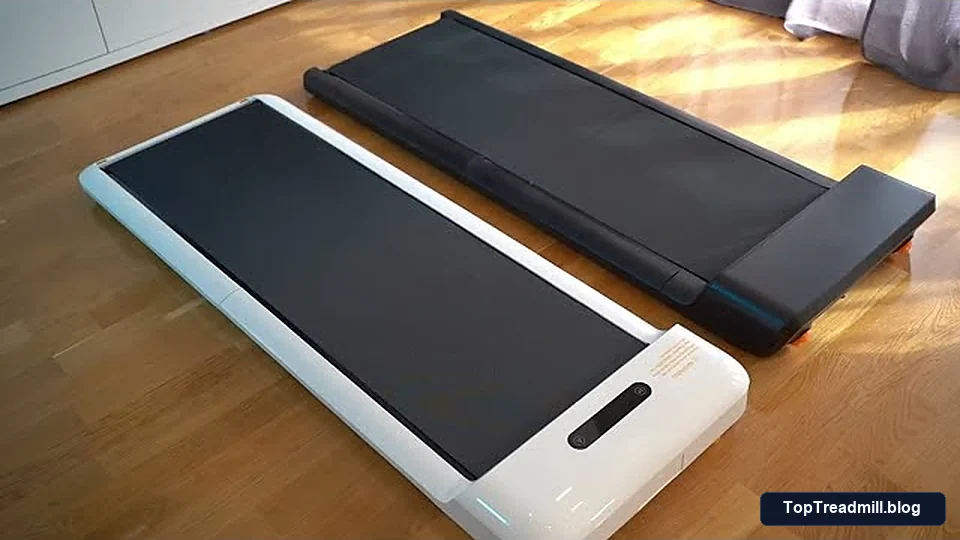
Both treadmills utilize a double-folding mechanism designed to minimize storage headaches. As detailed in our Kingsmith Walkingpad R2 Pro review, the refined hinge tolerances provide a much flatter walking surface.
Engineers designed both machines for apartment dwellers who lack permanent home gym spaces. The minimalist aesthetic remains identical, yet internal structural enhancements drastically alter long-term durability metrics.
When evaluating structural blueprints, you will notice distinct housing dimension differences. The base model uses a standard ABS shell, whereas the A1 Pro integrates an aluminum alloy frame for significantly enhanced overall durability.
Folding mechanisms also underwent significant re-engineering between these iterations. Engineers implemented a dual-hinge pivot system, reducing pinch points and protecting internal wiring harnesses during the frequent folding and unfolding cycles required in modern apartments.
Deck clearance heights vary slightly, impacting how your foot strikes the running belt. The newer iteration sits marginally lower to the floor, optimizing your center of gravity and improving biomechanical stability during brisk walking sessions.
- Double-folding patent allows complete horizontal storage under low-clearance furniture.
- Chassis weight capacity rated safely up to three hundred pounds for both units.
- Integrated transport wheels facilitate easy relocation across hard flooring surfaces.
Chassis Construction and Footprint
The physical footprint of these walking pads is nearly identical when fully deployed. Engineers maintained a slim profile to ensure seamless integration beneath standard standing desks.
Material selection dictates how well each machine absorbs foot strike impact. The updated iteration features denser composite materials underneath the running belt to reduce resonance.
- Deck height sits under three inches for effortless step-on access.
- Aluminum alloy construction keeps total unit weight below seventy pounds.
Real-World Performance Comparison
Performance heavily influences daily satisfaction when logging miles while working. The base model utilizes a traditional brushed motor that generates noticeable mechanical hum during acceleration phases.
Conversely, the upgraded variant integrates a modern brushless motor designed for sustained torque delivery. This technological shift results in significantly quieter operation during long working blocks.
Speed regulation relies on adaptive footstep sensing across both editions. Users can shift from walking to jogging speeds simply by drifting toward the front edge of the belt.
Under actual operating loads, maximum speed thresholds perform similarly on paper, yet actual torque delivery diverges. The upgraded variant maintains steadier belt speeds when stepping down hard, thanks to optimized pulse-width modulation controllers.
Belt friction coefficients change dynamically as units warm up over extended use. Testing shows the newer model maintains lower internal temperatures, which prevents the walking surface from dragging or stuttering under heavy daily user weight loads.
Noise emission profiles differ due to dampening pad redesigns beneath the deck. When evaluated in our best walkingpad guide, quieter motor operations make the upgraded unit ideal for shared office environments.
- Maximum speed capabilities reach up to six kilometers per hour across both treadmills.
- Adaptive speed control responds dynamically to user positioning on the belt.
- Manual mode overrides automatic sensors via the included handheld remote.
Speed Responsiveness and Belt Slip
Footstep sensors track acceleration zones near the motor housing with high precision. Users rarely experience abrupt jerks if they maintain a steady pace within the optimal zone.
Belt tension management differs slightly due to the upgraded motor torque profile. The newer variant maintains consistent speed even under heavier load conditions without stalling.
- Sensors sample foot placement multiple times per second.
- Sustained friction management prevents unexpected belt hesitation.
Motor Architecture and Thermal Efficiency
Motor engineering represents the single most critical differentiator between these two units. Brushed motors found in legacy units generate friction and heat over prolonged use periods.
The brushless architecture inside the alternative variant eliminates physical carbon brushes entirely. This engineering feat reduces internal operating temperatures and extends overall motor life expectancy.
Thermal management dictates how long you can walk without triggering safety shutdowns. Enhanced airflow channels within the upgraded housing dissipate heat much more effectively during marathons.
Brushless motor technology powers both units, but stator winding densities differ noticeably. The enhanced model utilizes thicker copper windings, which drastically reduce electrical resistance and lower overall thermal output during prolonged operational runtime periods.
Thermal dissipation paths dictate how efficiently heat escapes the motor housing. As highlighted in our Kingsmith Walkingpad R2 Pro Plus review, bonded heatsinks allow the A1 Pro to dissipate heat.
Continuous horsepower ratings remain comparable, yet peak surge capacity favors the newer release. This engineering adjustment prevents sudden motor stalls when users unexpectedly accelerate or alter their natural walking cadence on the belt.
- Brushless motors reduce electromagnetic interference and electrical power waste.
- Thermal cutoff sensors protect internal wiring from overheating damage.
- Continuous horsepower delivery remains stable during multi-hour standing desk sessions.
Acoustic Profiles Under Load
Noise output matters profoundly when operating exercise equipment during video calls. The legacy brushed motor emits a distinct whirring sound that rises proportionally with belt velocity.
The brushless alternative operates at a considerably lower decibel level. Users can converse normally on speakerphone without background motor interference disrupting the audio quality.
- Decibel ratings drop noticeably during low-speed office walking tasks.
- Mechanical vibration transfer into hardwood flooring is minimized effectively.
Chassis Rigidity and Material Composition
Walking pad durability depends heavily on the integrity of the folding hinge mechanism. Similar to findings in our Proform Pro 9000 treadmill review, repeated folding cycles can cause stress fractures.
Manufacturer updates to the frame assembly incorporate thicker extrusion walls around critical stress points. This structural fortification prevents the deck from sagging in the middle over time.
Deck cushioning relies on multi-layer EVA foam dampening systems. These layers absorb impact shock before it reaches ankle joints, protecting users during extended walking sessions.
Frame construction dictates how much flex occurs under heavier user footfalls. While the initial model relies on stamped steel reinforcements, the revised build incorporates high-density composite supports to minimize structural deflection under maximum loads.
Fastener placement and weld points were optimized to eliminate squeaks that develop over time. Engineers added reinforced gussets at high-stress joints, greatly improving the overall torsional rigidity of the foldable walking platform frame.
Surface coatings protect the internal steel and aluminum components against localized corrosion from sweat. A durable powder-coat finish ensures longevity, resisting scratches and scuffs that typically occur during storage and retrieval processes.
- Multi-layer running belts feature anti-slip diamond patterns for safety.
- Reinforced hinge pins withstand thousands of fold cycles without loosening.
- EVA cushioning pads mitigate high-frequency impact shock transfer.
Deck Longevity and Surface Wear
The running deck surface undergoes constant friction from athletic footwear soles. Protective coatings resist abrasive wear while maintaining adequate traction for bare feet or socks.
Edge fraying is a common issue on budget folding walking pads. Precision laser cutting on the newer model prevents side unraveling during lateral foot drifts.
- Wear-resistant phenolic resin coatings protect internal wooden deck boards.
- Precision edge finishing stops premature belt material fraying.
Maintenance, Efficiency and Longevity
Routine upkeep ensures your walking pad remains functional for years of daily steps. Both machines require periodic belt lubrication to maintain low friction coefficients beneath the walking surface.
The upgraded unit features optimized lubrication channels that distribute silicone oil evenly. This engineering enhancement reduces the frequency of required maintenance interventions for busy owners.
Electrical efficiency is another strong suit of brushless motor designs. Power draw remains exceptionally low, preventing spikes in household utility bills during daily use.
Routine belt lubrication requirements remain standard across both equipment variants. However, the upgraded model features an improved silicone oil distribution channel that spreads lubricant more evenly across the friction-reduction deck surface.
Electrical component longevity depends heavily on power supply filtering circuits. The newer hardware includes upgraded capacitors that better manage AC voltage fluctuations, safeguarding sensitive microchips against power surges from standard wall outlets.
Wear indicators on the running belt help users track when replacement becomes necessary. Monitoring these visual cues ensures you replace high-friction components before they damage the underlying motor or strain the primary drive rollers.
- Silicone oil application is necessary every few months depending on mileage.
- Energy consumption stays minimal even at maximum operating speeds.
- Diagnostic LED codes alert users to impending calibration or maintenance needs.
Lubrication Schedules and Belt Tuning
Maintaining proper belt alignment prevents premature edge rubbing against side rails. Allen bolts located near the rear roller allow for minor tension and tracking adjustments.
Following manufacturer guidelines for lubrication prevents excessive motor strain. Neglecting this step can overheat the control board and shorten component lifespans drastically.
- Rear roller adjustment bolts require periodic tension checks.
- Proprietary silicone lubricants preserve belt backing integrity.
Safety Standards and Ergonomic Integration
Safety certifications reassure users when operating motorized equipment in confined spaces. Both treadmills comply with international standards for electrical isolation and emergency stop functionality.
An automated standby mode powers down the electronics if no user is detected. This feature prevents accidental belt engagement by pets or children in the room.
Ergonomic alignment with standard standing desks requires careful height consideration. The ultra-low deck profile ensures your natural typing posture remains undisturbed while walking.
International safety compliance dictates strict standards for automatic belt stop functions. Both units feature infrared sensor arrays, but the upgraded system responds faster when a user drifts too close to the front console edge.
Ergonomic integration involves seamless transitions between manual and automatic speed control modes. The refined firmware processes footstep pressure changes quicker, delivering a smoother acceleration curve that matches your actual walking rhythm safely.
Emergency stop lanyards and magnetic safety keys adhere to strict regulatory guidelines. The updated model secures the magnetic tether more reliably, preventing accidental dislodgement during rigorous strides while maintaining instant shutoff capabilities.
- Emergency tether keys instantly cut motor power when detached.
- Automated standby triggers after a brief period of inactivity.
- Low deck height prevents ergonomic strain on wrists and shoulders.
Workspace Ergonomics and Posture
Walking while typing changes your biomechanics and stride length naturally. Keeping speeds conservative prevents typing errors and reduces the risk of stumbling off the belt.
Desk height must be adjusted slightly upward to account for the deck thickness. Maintaining proper elbow angles protects against repetitive strain injuries during long workdays.
- Recommended working speeds stay between one and two miles per hour.
- Desk adjustments compensate for the three-inch elevation change.
Which Option Fits Your Setup
Choosing the ideal walking pad depends on your daily step goals and budget constraints. Casual users who log light steps intermittently will find adequate performance from the legacy model.
Remote professionals requiring hours of continuous, quiet operation should invest in the updated variant. Its superior motor architecture and refined chassis provide unmatched long-term reliability.
Assessing your available storage space and expected usage frequency clarifies the final decision. Prioritizing build quality ensures your investment withstands years of consistent daily steps.
Selecting the right walking pad depends on your daily usage frequency and workspace layout. If you intend to use the equipment for multiple hours daily, the superior thermal efficiency of the newer motor becomes essential.
Casual users walking light distances occasionally will find the baseline model entirely sufficient. Its core engineering handles standard foot traffic adequately without requiring the heavier financial investment tied to advanced structural upgrades.
Floor type also influences your final hardware purchasing decision significantly. Homes with delicate flooring benefit from the softer footstrike dampening system integrated exclusively into the heavy-duty chassis of the upgraded equipment model.
- Select the base unit for budget-conscious, light casual walking routines.
- Choose the upgraded alternative for quiet, high-mileage office environments.
- Verify your floor space dimensions prior to ordering either folding model.
Final Decision Framework
Consider how many hours per week you plan to spend walking on the device. High-frequency users benefit enormously from the thermal efficiency of brushless motors.
Evaluate your tolerance for mechanical noise during telephone calls or meetings. Upgraded dampening systems make a tangible difference in shared professional workspaces.
- Calculate weekly mileage expectations before making a final choice.
- Factor in workspace acoustics when selecting motor configurations.
Frequently Asked Questions
Can I slide these walking pads under a standard sofa?
Yes, both models feature a folding design with a low clearance profile that easily slides beneath most sofas and low beds. Ensuring you have adequate horizontal clearance is essential for proper storage.
How does the automatic speed control function work during use?
Pressure sensors embedded beneath the walking belt detect your foot positioning in real time. Stepping toward the front accelerates the belt, while moving backward decelerates the speed smoothly.
What maintenance do these walking pads require over time?
Regular upkeep involves applying silicone lubricant beneath the running belt every few months. You must also check belt tension periodically using the included adjustment wrench.
Is the upgraded motor noticeably quieter during work hours?
The brushless motor on the advanced variant significantly reduces mechanical noise and vibration. This makes it ideal for running underneath standing desks during quiet office hours.
Do I need to assemble any parts upon delivery?
Both walking pad variants arrive fully assembled straight out of the box. You only need to unpack the unit, plug it into a standard wall outlet, and pair the remote.