Treadmill Running vs Road Running: Technical Verdict
Choosing between indoor belt mechanics and outdoor asphalt dynamics affects joint loading and training specificity. Understanding these engineering differences helps optimize your running regimen.

Choose treadmill running for controlled joint-friendly interval pacing, while road running remains superior for outdoor race simulation and unpredictable terrain adaptation.
Compare all top models in our Best Treadmill: Top Home Fitness Picks (2026 Guide).
Side-by-Side Breakdown
| Criteria | Treadmill Running | Road Running | Edge |
|---|---|---|---|
| Core Design / Build | Motorized continuous-duty deck with shock absorption elastomers. | Static asphalt or concrete paving with zero mechanical cushioning. | Treadmill Running |
| Real-World Performance | Assisted belt motion reduces natural hamstring propulsion demands. | Requires 100 percent independent propulsive force against static ground. | Road Running |
| Ease of Setup & Use | Instant digital console adjustments for incline and exact speed. | Requires route planning, weather monitoring, and traffic awareness. | Treadmill Running |
| Durability & Reliability | Mechanical components require periodic belt lubrication and motor checks. | Weather-resistant infrastructure requires no mechanical upkeep from users. | Road Running |
| Efficiency / Operating Footprint | Consumes household electrical power and requires dedicated floor space. | Zero electrical footprint utilizing open public transit and paths. | Road Running |
| Maintenance Requirements | Regular deck waxing, belt alignment, and dust vacuuming needed. | Zero surface maintenance required by the individual runner. | Road Running |
| Best Ideal Use Case | Structured interval training, rehabilitation, and inclement weather days. | Race preparation, cardiovascular endurance, and spatial awareness. | Split Verdict |
Core Engineering and Mechanical Differences
Indoor mechanized trainers rely on continuous-duty motors, rotating rollers, and specialized running belts. These components create a moving surface that fundamentally alters the physics of human propulsion.
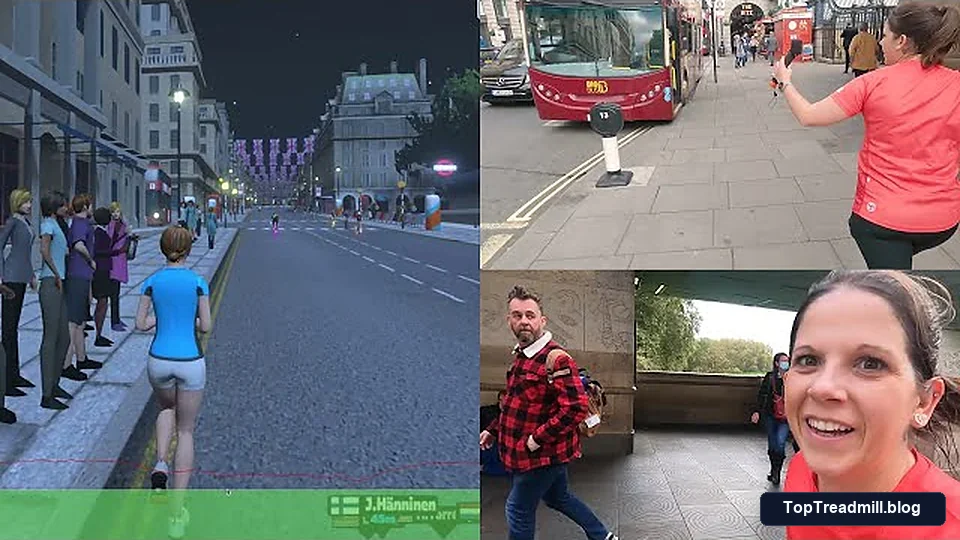
Outdoor surfaces consist of unyielding asphalt, concrete sidewalks, or packed dirt trails. These static pathways force your musculoskeletal system to generate all forward momentum without mechanical belt assistance.
Manufacturers design motorized decks with internal elastomers to reduce peak impact forces. This engineering directly contrasts with the absolute rigidity found on standard municipal concrete pavements.
Modern motorized treadmills rely on continuous horsepower motors and durable belts. Many top units highlighted in our best folding treadmill for running review actively assist foot turnover, altering natural outdoor stride mechanics.
Road running requires your muscles to generate 100 percent of the propulsion against static asphalt. The ground remains completely stationary, forcing your hamstrings and calves to work harder during every single toe-off phase of the running cycle.
Deck construction also differs significantly between environments. Treadmills incorporate elastomer cushioning systems designed to absorb shock, whereas concrete and asphalt provide zero deflection, returning maximum impact forces directly up through your skeletal structure.
- Motorized belts assist leg turnover during late stance phase.
- Static paving demands 100 percent independent propulsive muscular effort.
- Deck cushioning absorbs significant high-frequency impact shock waves.
Kinetic Energy and Belt Mechanics
When running on a motorized belt, the stored kinetic energy assists your foot lift. This assistance reduces traditional hamstring activation compared to outdoor ground propulsion.
Understanding this mechanical difference helps explain why many athletes notice slight pacing discrepancies when transitioning between indoor equipment and outdoor running tracks.
- Reduced hamstring recruitment on motorized units.
- Altered swing phase dynamics due to moving belts.
Biomechanics and Impact Force Analysis
Biomechanical studies consistently show that cushioned treadmill decks lower vertical ground reaction forces. Runners often experience less acute tibial shock when training indoors consistently.
Outdoor pavement provides a completely rigid surface that transmits higher shock waves through the ankles, knees, and hips. Proper footwear becomes significantly more critical during outdoor sessions.
Stride length can also shorten slightly on motorized belts due to psychological boundaries and fixed housing constraints, altering your natural running cadence over prolonged intervals.
When running outdoors, ground reaction forces peak rapidly because asphalt and concrete lack any shock-absorbing give. Your joints must absorb the full impact, which over time strengthens bone mineral density through controlled mechanical skeletal loading.
Treadmill decks mitigate these harsh forces using springy suspension decks or slat-belt designs. This engineered compliance reduces peak impact forces by up to twenty percent, providing a safer environment for runners recovering from joint injuries.
Stride length often shortens slightly on a motorized belt because the moving surface alters your natural perception of speed. Runners frequently adopt a slightly more upright posture to compensate for the continuous conveyor movement beneath them.
- Ground reaction forces peak higher on outdoor concrete.
- Cushioned decks mitigate repetitive stress injuries in joints.
- Stride mechanics adjust slightly to fit console housing limits.
Joint Loading and Stress Distribution
The repetitive nature of both surfaces places unique demands on connective tissues. Indoor belts offer uniform shock absorption across every single stride you take.
Outdoor routes present varying camber, potholes, and slopes, distributing physical stress across different muscle groups dynamically throughout your entire workout session.
- Uniform impact profiles characterize indoor motorized decks.
- Variable stress distribution occurs on uneven outdoor terrain.
Real-World Performance and Pacing Dynamics
Maintaining a strict target pace becomes effortless on a digital console with exact numerical increments. This precision makes structured interval workouts exceptionally reliable for fitness tracking.
Outdoor running requires internal pacing calibration, GPS watch monitoring, and wind resistance management. These variable factors build essential racing instincts that machines cannot replicate.
Simulating outdoor hills indoors requires manually engaging incline motors. Most trainers feature a one to two percent default grade to match outdoor air resistance.
Outdoor running exposes you to natural variables like headwinds, rolling hills, and changing temperatures. To maintain a consistent pace outside, your cardiovascular system must constantly adapt to unpredictable environmental resistance and changing terrain profiles.
Treadmills offer precise speed control via digital console increments, eliminating wind resistance unless you manually adjust the incline. Setting a one percent incline roughly mimics the energetic cost of running outdoors in calm atmospheric conditions.
Pacing discipline is fundamentally different on motorized equipment. When evaluating options in our best home treadmill for running guide, remember that indoor training builds genuine tactical awareness without relying on digital screens.
- Digital consoles ensure exact speed and incline metrics.
- GPS tracking is essential for outdoor pacing validation.
- Air resistance must be simulated using a slight indoor incline.
Pacing Precision vs Environmental Adaptation
Indoor training eliminates external variables like headwinds, allowing hyper-focused cardiovascular workouts. Your heart rate remains steady without sudden spikes from sudden gusts.
Outdoor environments test your mental fortitude against weather changes and elevation shifts, preparing your body thoroughly for actual race day conditions.
- Controlled indoor environments stabilize heart rate metrics.
- Environmental unpredictability builds real-world race resilience.
Maintenance, Efficiency and Operating Footprint
Motorized fitness machines require scheduled upkeep, including belt lubrication, alignment checks, and dust removal from internal motor compartments. Neglecting these tasks leads to premature belt wear.
Outdoor routes require zero mechanical maintenance from the runner. You simply step outside your front door and begin your workout without worrying about electrical consumption.
Energy consumption varies among motorized units based on user weight, belt friction, and selected speeds. This ongoing utility cost is absent when running on public streets.
Operating a motorized machine requires consistent electrical power and routine upkeep. Many selections featured in our best budget treadmill for running roundup still demand that you regularly lubricate the deck to prevent friction wear.
Road running carries virtually zero maintenance overhead beyond replacing your running shoes every three to five hundred miles. Your only equipment requirement is choosing appropriate footwear designed for high-impact asphalt and concrete surfaces.
Electrical efficiency varies widely among commercial and residential machines. High-wattage motors draw significant power from your home grid during peak acceleration phases, impacting your utility footprint compared to zero-emission outdoor cardiovascular training sessions.
- Belt lubrication prevents friction and overheating issues.
- Electrical power is required to operate indoor console units.
- Outdoor pathways demand zero mechanical maintenance.
Equipment Upkeep and Utility Costs
Owning an indoor running machine involves managing spare parts like drive belts and running decks. Regular inspections ensure safe operation over thousands of miles.
Conversely, outdoor runners invest entirely in high-mileage footwear replacements rather than mechanical repairs, keeping their equipment footprint straightforward and portable.
- Mechanical inspections ensure long-term device safety.
- Footwear replacement is the primary outdoor maintenance task.
Injury Risks and Rehabilitation Protocols
Physical therapists frequently utilize cushioned indoor belts for controlled rehabilitation after lower-body surgeries. The controlled speed allows patients to rebuild walking and jogging mechanics safely.
Outdoor running exposes athletes to uneven curbs, loose gravel, and sudden turning movements that increase acute ankle sprain risks. Proper footing awareness is paramount outside.
Overuse injuries can still occur indoors if runners maintain identical stride patterns without variation. Changing inclines helps mitigate repetitive strain on specific muscle fibers.
Outdoor running frequently causes acute trauma injuries like rolled ankles from uneven curbs and potholes. The unyielding nature of concrete can also trigger chronic overuse conditions such as shin splints and persistent plantar fasciitis.
Treadmills minimize surface-level ankle sprains by providing a completely flat, predictable path free of debris. However, the repetitive motion and lack of terrain variation can strain your Achilles tendons and calves due to constant identical strides.
Physical therapists often utilize motorized belts during early-stage rehabilitation because controlled speed settings allow precise gait analysis. Patients can safely rebuild baseline strength before transitioning back to unpredictable outdoor running surfaces and terrain.
- Controlled belts facilitate safe post-injury rehabilitation.
- Uneven terrain raises the potential for acute ankle sprains.
- Incline adjustments prevent repetitive strain during indoor runs.
Safe Recovery and Terrain Rehabilitation
Rebuilding cardiovascular fitness after an injury is safer on predictable indoor surfaces. You can halt the belt immediately if discomfort arises during your session.
Outdoor rehabilitation requires careful route selection to avoid steep descents and rough surfaces that could compromise healing joints before full strength returns.
- Immediate emergency stops protect injured runners indoors.
- Careful route planning is necessary for outdoor recovery.
Choosing the Right Training Surface for Your Goals
Selecting the ideal running medium depends on your personal schedule, local climate, and specific racing objectives. Combining both methods yields optimal cardiovascular and biomechanical results.
Busy professionals often favor indoor setups for time-efficient morning workouts before work. This approach bypasses safety concerns associated with dark winter pre-dawn road runs.
Dedicated marathoners should prioritize outdoor miles to condition their bodies for actual race environments, ensuring their stabilizing muscles adapt to real terrain.
Selecting your primary training surface depends heavily on your specific racing objectives and local climate constraints. Marathon runners preparing for outdoor events must log substantial miles on asphalt to condition their connective tissues properly.
If your schedule demands strict time management or inclement weather makes outdoor sessions hazardous, a reliable treadmill is invaluable. It delivers controlled workout metrics that help you execute structured speed intervals without traffic interference.
Combining both environments yields the ultimate training adaptation. You can leverage the shock absorption and pacing precision of indoor equipment while building essential tactical toughness and technical agility through regular outdoor road running sessions.
- Hybrid training utilizes the best aspects of both methods.
- Time efficiency makes indoor units ideal for busy schedules.
- Race specificity demands frequent outdoor mileage accumulation.
Maximizing Your Hybrid Training Program
Structuring your weekly mileage across both environments balances joint safety with race preparation. Use indoor sessions for tempo work and intervals.
Reserve your long weekend endurance runs for outdoor routes to build mental toughness. Alternatively, you can consult our best treadmill for long distance running guide to find robust indoor models suited for high-mileage training blocks.
- Use indoor platforms for structured interval workouts.
- Execute weekend long runs on outdoor pavement for grit.
Frequently Asked Questions
Is treadmill running easier than running outside?
Indoor running can feel easier because motorized belts assist leg turnover and eliminate wind resistance. Utilizing a one percent incline successfully equalizes this mechanical advantage.
Does running on a treadmill cause more injuries?
Cushioned decks actually reduce high-frequency impact shock compared to rigid concrete. However, maintaining an identical stride on a flat belt can sometimes cause repetitive strain.
How do I convert indoor treadmill pace to outdoor pace?
Many runners set a slight incline to mirror outdoor air resistance and perceived exertion. Testing your limits via GPS watch tracking outdoors provides the most accurate conversion.
What maintenance do indoor running machines require?
Regular upkeep involves lubricating beneath the running belt, vacuuming motor dust, and checking alignment bolts. Proper maintenance prevents motor burnout and ensures smooth rotation.
Can I train for a marathon entirely indoors?
While possible, training solely indoors limits your body's adaptation to outdoor elements and terrain shifts. Incorporating outdoor long runs is critical for race day success.