Treadmill Running vs Outdoor Running: Technical Verdict
Evaluating indoor mechanics against natural terrain. Both training methods offer distinct physiological adaptations.

Choose motorized belts for controlled pacing and joint safety, or pick outdoor pathways for authentic propulsion and variable topography.
Compare all top models in our Best Treadmill: Top Home Fitness Picks (2026 Guide).
Side-by-Side Breakdown
| Criteria | Treadmill Running | Outdoor Running | Edge |
|---|---|---|---|
| Core Design / Build | Continuous motorized belt and cushioned deck | Fixed asphalt, concrete, or dirt trails | Neutral |
| Real-World Performance | Assisted propulsion and constant speed | Unassisted propulsion and variable terrain | Outdoor Running |
| Ease of Setup & Use | Instant digital console adjustments | Navigation planning and weather checks | Treadmill Running |
| Durability & Reliability | Requires belt lubrication and motor maintenance | Naturally weathering terrain requiring proper footwear | Neutral |
| Efficiency / Operating Footprint | High electrical draw from continuous drive motors | Zero electrical power usage relying on body mechanics | Outdoor Running |
| Maintenance Requirements | Periodic deck waxing and belt tensioning | Minimal structural maintenance aside from trail clearing | Outdoor Running |
| Best Ideal Use Case | Controlled interval workouts and low-impact rehab | Race preparation and natural cardiovascular conditioning | Neutral |
Core Mechanical and Structural Differences
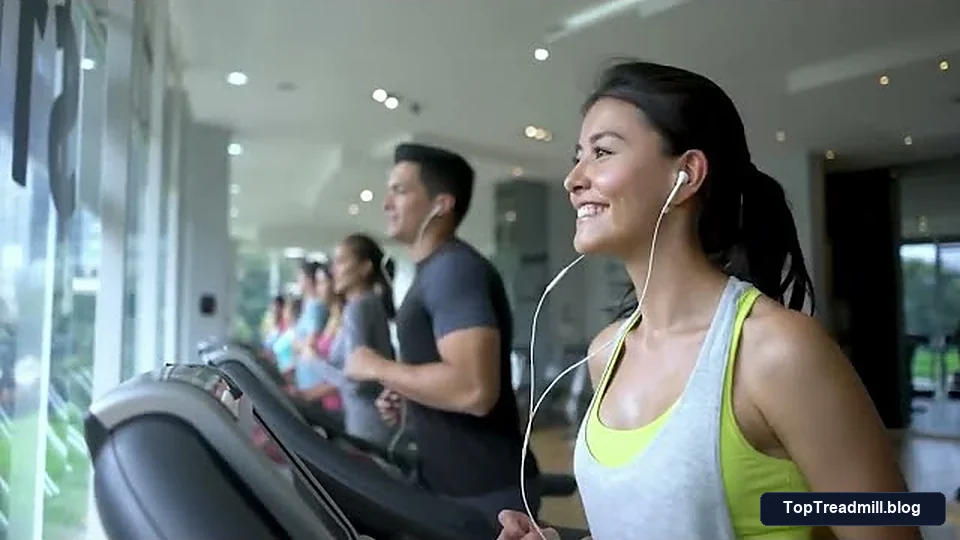
Indoor running utilizes a continuous motorized belt that pulls backward underneath your foot strike, altering natural biomechanics compared to stationary ground. This mechanical assistance reduces required propulsion effort during intense cardiovascular training sessions.
Conversely, outdoor running forces your body to generate full forward propulsion against stationary pavement. Evaluating options in our best home treadmill review highlights how mechanical design changes muscular activation patterns.
Motorized continuous horsepower drives the belt at a constant linear speed, forcing your lower limbs to adapt mechanically to the moving deck surface rather than generating your own propulsion forward.
Outdoor running requires ground reaction forces driven entirely by your hamstring and calf muscular contractions, whereas motorized belts passively assist the recovery phase, altering structural load distributions across the lower kinetic chain.
- Motorized belts assist leg turnover rates.
- Stationary ground demands full muscular propulsion.
- Indoor decks feature shock-absorbing elastomer systems.
Surface Compliance and Shock Absorption
Treadmill decks incorporate specialized cushioning elements like elastomer cushions or spring-loaded slats to mitigate peak impact forces. These engineering features protect connective tissues from repetitive stress injuries during high-mileage training blocks.
Outdoor surfaces lack engineered shock absorption entirely, exposing joints to maximum ground reaction forces. Concrete sidewalks offer zero deflection, whereas dirt paths provide mild natural give.
- Decks reduce impact via mechanical suspension.
- Asphalt delivers rigid, unyielding feedback.
Biomechanics and Joint Impact Profiles
Stride mechanics shift subtly when transitioning from fixed indoor belts to natural outdoor terrain. The moving belt encourages a shorter stride length and a quicker cadence to match the machine speed.
Outdoor runners naturally lengthen their stride and adjust their vertical oscillation based on topography changes. Consult our treadmill pace conversion guide to understand how these biomechanical shifts engage stabilizing muscles.
Deck cushioning systems absorb significant shock attenuation upon foot strike, measurably reducing peak vertical ground reaction forces compared to unyielding concrete or asphalt surfaces found in typical outdoor municipal environments.
However, this continuous compliant surface can alter ankle joint kinematics and Achilles tendon loading profiles, sometimes increasing repetitive strain on lower extremity soft tissues during high-volume indoor marathon training blocks.
- Indoor strides tend to be slightly shorter.
- Outdoor movement recruits deeper stabilizing musculature.
Ankle and Calf Muscle Recruitment
The stabilizing micro-adjustments required outdoors strengthen your ankles and smaller stabilizing muscles significantly over time. Treadmills provide a perfectly flat, predictable plane that minimizes unexpected lateral ankle rotations.
While this predictability prevents acute sprains, it leaves certain stabilizer muscles under-stimulated compared to navigating uneven gravel, roots, and uneven asphalt shoulders.
- Uneven terrain builds superior ankle stability.
- Flat belts protect against sudden lateral strains.
Energy Expenditure and Air Resistance
Outdoor runners must overcome actual air resistance, requiring additional metabolic energy at higher velocities. Indoor runners experience zero wind resistance unless they manually apply a one percent incline to compensate for missing drag.
Physiologists recommend reviewing our best treadmill incline guide to equalize the energetic cost between indoor and outdoor formats. Without this adjustment, treadmill sessions burn marginally fewer calories at equivalent speeds.
Indoor running eliminates natural aerodynamic drag, reducing total metabolic cost unless you manually apply a one percent incline to compensate for missing headwind resistance during steady-state aerobic efforts.
Without cooling ambient airflow, core body temperature rises faster indoors, triggering an early cardiovascular drift that elevates heart rate metrics independently of actual mechanical output or running velocity.
- Air resistance increases outdoor caloric expenditure.
- Indoor setups require an incline adjustment for parity.
Thermoregulation and Climate Control
Climate-controlled indoor environments eliminate wind chill and high humidity, keeping core body temperatures lower during sustained efforts. This thermal advantage allows for prolonged workout durations without excessive heat stress.
Outdoor conditions introduce natural thermal stress, requiring your cardiovascular system to work harder for skin cooling and blood redistribution. This environmental friction builds superior overall heat tolerance.
- Indoor climate control prevents overheating risks.
- Outdoor elements improve natural cardiovascular cooling.
Weather Management and Environmental Control
Treadmills offer absolute protection against rain, snow, extreme heat, and sub-freezing winter temperatures. This weather independence ensures consistent training execution regardless of seasonal disruptions or geographical constraints.
Outdoor running exposes you to changing atmospheric elements that demand versatile apparel strategies. Exploring our best budget treadmill guide helps you find reliable indoor alternatives when severe weather prevents safe training sessions.
Controlled indoor ambient temperatures prevent thermal heat stress, allowing you to maintain precise physiological training zones without the compounding variables of high humidity or intense solar radiation exposure.
Conversely, excessive reliance on air-conditioned spaces can delay essential heat acclimation adaptations required for outdoor summer racing events where thermal strain significantly impacts overall athletic performance.
- Indoor equipment guarantees year-round training consistency.
- Outdoor routes build mental grit and weather adaptation.
Logistical Planning and Safety Factors
Running indoors eliminates hazards such as erratic vehicular traffic, poor street lighting, and uneven pedestrian infrastructure. You can step off the belt instantly if fatigue or minor injuries occur mid-workout.
Outdoor routes require careful path planning, visibility gear for dark hours, and situational awareness to avoid hazards. However, outdoor routes offer superior psychological relief through scenery changes.
- Treadmills eliminate vehicle and traffic risks.
- Outdoor runs require active environmental vigilance.
Maintenance, Calibration, and Upkeep
Modern motorized equipment requires regular preventative maintenance, including belt lubrication, deck cleaning, and calibration checks. Neglecting these mechanical duties can lead to motor burnout or premature walking belt wear.
Outdoor running requires zero mechanical upkeep beyond investing in high-quality running shoes with adequate rubber outsole traction. The terrain maintains itself, though footwear replacements remain a recurring logistical expense.
Regular silicone lubrication of the running deck interface is critical to prevent excessive friction, motor strain, and premature belt wear under heavy daily training workloads.
Routine optical speed sensor calibration ensures that the console velocity readout matches true belt speed, maintaining accuracy for structured interval workouts and long-term performance tracking.
- Indoor trainers require periodic belt lubrication.
- Outdoor running shifts upkeep costs entirely to footwear.
Long-Term Durability and Reliability
High-end motorized machines feature heavy-duty frames and commercial-grade motors designed to endure thousands of miles. However, electronic display consoles remain susceptible to moisture damage and software glitches.
Outdoor running paths endure decades of heavy use without mechanical failure, making your footwear the sole point of failure. Proper running shoe rotation is vital to prevent impact-related injuries.
- Commercial frames offer exceptional mechanical lifespans.
- Electronic components require occasional diagnostic troubleshooting.
Safety Protocols and Emergency Stops
Safety features like magnetic emergency stop keys and handrail sensors protect users from catastrophic falls during high-speed intervals. These mechanisms immediately cut power to the driving motor if a runner slips.
Outdoor running provides no mechanical safety nets, meaning a misstep on rough pavement can lead to direct impacts with the ground. Runners must rely solely on their own coordination and reflexes.
Magnetic safety tether keys provide an immediate power cutoff mechanism, instantly halting belt rotation if a runner trips or loses balance during high-speed sprinting sessions.
Outdoor environments present unpredictable physical hazards like uneven pavement, debris, and vehicular traffic, requiring constant visual hazard scanning rather than relying on controlled indoor mechanical safeguards.
- Emergency keys prevent severe treadmill slip injuries.
- Outdoor falls require immediate physical self-arrest.
Rehabilitation and Controlled Recovery
Physical therapists frequently prescribe treadmill training for post-operative recovery due to controllable speeds and cushioned decks. Controlled velocity parameters allow clinicians to monitor gait abnormalities with precision.
Rehab on hard outdoor surfaces is rarely recommended during early recovery phases due to unpredictable terrain and high impact forces. Indoor setups remain the gold standard for clinical gait retraining.
- Clinical settings favor treadmills for controlled rehab.
- Precise speed controls assist gait analysis.
Programming, Pacing, and Training Versatility
Digital consoles allow exact speed inputs and precise incline percentages, enabling strict adherence to targeted training zones. Interval workouts become effortless when the machine dictates precise pacing transitions.
Outdoor pacing relies on GPS watches and internal perceived exertion, which can fluctuate due to hills and fatigue. Mastering outdoor pacing requires greater intuitive body awareness and tactical discipline.
Programmable electronic interfaces allow precise control over interval pacing parameters, eliminating human pacing errors during VO2 max workouts and lactate threshold training blocks.
Outdoor running develops superior proprioceptive awareness and terrain adaptability, teaching the body to navigate natural obstacles and varied inclines that static indoor treadmills cannot authentically replicate.
- Digital consoles lock in exact training speeds.
- Outdoor pacing demands strong intuitive body awareness.
Virtual Simulation and Entertainment Integration
Advanced fitness screens integrate virtual mapping software to simulate famous outdoor routes from around the world. This immersive technology keeps indoor workouts engaging and combats psychological monotony during long runs.
Outdoor environments provide authentic sensory engagement through natural scenery, fresh air, and changing urban landscapes. No digital screen can fully replicate the true sensory depth of outdoor exploration.
- Virtual software simulates global running routes.
- Natural environments offer unmatchable sensory feedback.
Frequently Asked Questions
Do treadmills burn fewer calories than outdoor running?
Treadmills can burn slightly fewer calories because motorized belts assist your leg turnover and eliminate wind resistance. Raising your deck to a one percent incline easily equalizes this energetic difference.
Are treadmills safer for bad knees and joint pain?
Yes, high-end cushioned decks significantly reduce peak impact forces compared to running on rigid concrete or asphalt surfaces. This shock absorption makes indoor running ideal for managing chronic joint discomfort.
Why does outdoor running feel harder than treadmill running?
Outdoor running requires generating total forward propulsion, fighting natural wind resistance, and navigating irregular terrain elevations. These combined factors demand greater overall muscular recruitment and systemic energy expenditure.
How often should I lubricate my treadmill belt?
Most manufacturers recommend applying specialized silicone lubricant underneath the walking belt every three to six months. Regular lubrication prevents excessive friction and extends the operational life of the motor.
Can training on a treadmill ruin your outdoor running form?
Treadmills do not ruin your form, but the moving belt can encourage a slightly shorter stride length. Incorporating regular outdoor sessions ensures your stabilizer muscles remain fully adapted to natural propulsion.