Treadmill Run vs Ran Outside: Complete Comparison
Indoor running offers controlled mechanics while outdoor terrain builds functional stability. Choosing the right platform depends on your training goals, climate, and structural durability needs.

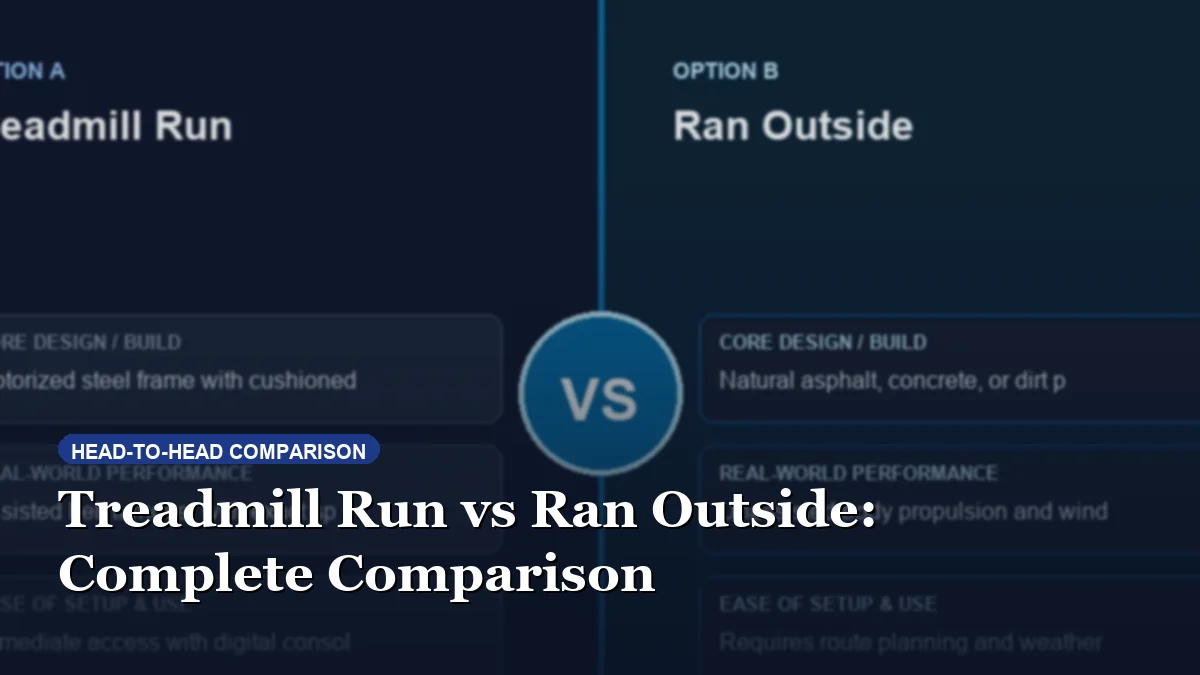
Choose Treadmill Run for precise pace work and inclement weather training. Select Ran Outside if you require authentic propulsion mechanics and variable terrain adaptation.
Compare all top models in our Best Treadmill: Top Home Fitness Picks (2026 Guide).
Side-by-Side Breakdown
| Criteria | Treadmill Run | Ran Outside | Edge |
|---|---|---|---|
| Core Design / Build | Motorized steel frame with cushioned deck | Natural asphalt, concrete, or dirt paths | Ran Outside |
| Real-World Performance | Assisted belt turnover with exact speed control | Unassisted body propulsion and wind resistance | Ran Outside |
| Ease of Setup & Use | Immediate access with digital console programming | Requires route planning and weather checking | Treadmill Run |
| Durability & Reliability | Requires electronic upkeep and belt lubrication | Weather-dependent terrain with zero electronics | Ran Outside |
| Efficiency / Operating Footprint | High electrical draw and significant floor space | Zero electrical power requirements and portability | Ran Outside |
| Maintenance Requirements | Regular belt alignment and motor inspection | Minimal upkeep limited to proper footwear selection | Ran Outside |
| Best Ideal Use Case | Interval training and controlled rehabilitation phases | Race preparation and functional strength gains | Ran Outside |
Core Design and Engineering Differences
Mechanical engineering separates motorized belts from natural asphalt surfaces. Treadmills use continuous motors to pull the belt beneath your feet, altering the traditional propulsion dynamic found on stationary ground paths.
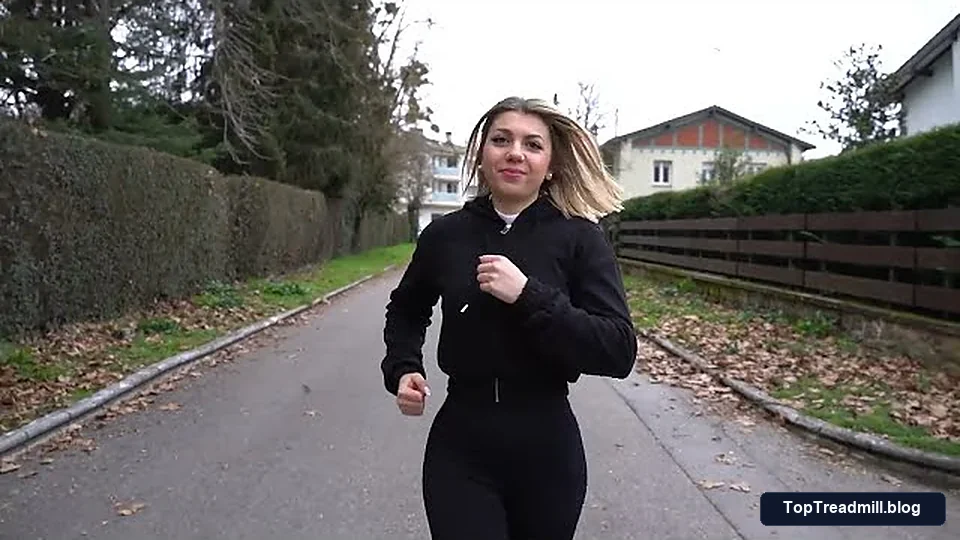
Outdoor running demands absolute muscular force to push against wind resistance. As noted in our Technogym My Run review, premium indoor belts assist turnover slightly once your foot lands.
Indoor treadmills rely on continuous duty motors (often 3.0 CHP or higher) to drive a textured multi-ply belt over a low-friction deck, contrasting sharply with unyielding outdoor asphalt surfaces.
Outdoor running requires your muscles to generate 100 percent of the propulsion force to overcome inertial ground resistance, whereas motorized belts passively assist your stride cycle to reduce overall mechanical fatigue.
- Motorized belts deliver consistent speed metrics.
- Asphalt provides unyielding natural resistance forces.
- Deck cushioning reduces peak vertical impact shocks.
Belt Mechanics Versus Pavement
Motorized decks feature multi-ply belts running over low-friction decks. This engineered consistency eliminates unexpected potholes or debris hazards, allowing predictable foot placement during high-speed intervals.
Natural terrain introduces micro-adjustments in ankle stability. Every foot strike requires distinct muscular activation to manage uneven ground textures and changing slopes.
- Engineered decks provide predictable surface friction.
- Outdoor paths demand constant stabilizing adjustments.
Real-World Performance and Biomechanics
Biomechanical studies show subtle differences in stride length between indoor and outdoor running. The moving belt can artificially shorten the extension phase of your running gait if speeds are poorly calibrated.
Outdoor strides rely entirely on hip extension and powerful push-off mechanics. This builds superior posterior chain strength over time compared to passive indoor belt propulsion.
Laboratory gait analyses show that treadmill runners often exhibit a slightly shorter stride length. Consult our best incline to run on treadmill guide to mimic outdoor hill mechanics indoors.
Running outdoors forces your body to constantly adapt to micro-changes in terrain, engaging stabilizing core muscles and hip abductors much more intensely than standard indoor motorized training sessions.
- Treadmills allow exact pacing for tempo runs.
- Outdoor routes build authentic propulsive strength.
- Incline settings compensate for lack of wind.
Stride Efficiency and Pacing
Digital consoles maintain strict velocity standards throughout your workout. This eliminates the natural pacing drift that often occurs during unmonitored outdoor distance efforts.
Outdoor runners must internalize pace control using internal cues or GPS watches. This develops superior situational awareness for race day environments.
- Digital displays enforce strict interval timings.
- GPS watches track outdoor distance variations accurately.
Impact Absorption and Joint Stress
Shock absorption systems inside modern frames significantly reduce peak impact forces. Elastomer cushioning dampens the shock wave traveling up through your ankles, knees, and lower back.
Concrete pavements offer zero shock attenuation, forcing your skeletal system to absorb every pound of force. Runners frequently experience higher joint fatigue on rigid urban surfaces.
Modern motorized units incorporate elastomeric deck cushions or variable damping systems that absorb significant shock, lowering peak vertical ground reaction forces compared to pounding rigid outdoor concrete paths.
While this engineered shock absorption reduces acute impact stress on knees and ankles, some runners experience lower calf tightness due to the continuous repetitive ankle plantarflexion angles on belts.
- Deck elastomers protect sensitive knee joints.
- Concrete increases chronic lower extremity stress.
- Adjustable cushioning alters overall impact levels.
Managing Injury Risks
Controlled indoor surfaces help runners recovering from acute lower limb injuries. The predictable give of a cushioned deck minimizes sudden load spikes during early rehabilitation phases.
Outdoor surfaces require gradual mileage increases to condition connective tissues against unyielding pavement forces and unexpected off-camber road shoulders.
- Cushioned decks aid safe injury recovery.
- Gradual outdoor progression prevents overuse strains.
Environmental Factors and Climate Control
Climate control systems inside homes or fitness facilities eliminate extreme heat and freezing temperatures. You can complete intense threshold sessions without battling high humidity or bitter winter winds.
Outdoor exposure builds mental resilience against unpredictable weather elements. Training through seasonal shifts prepares competitive athletes for harsh race day conditions.
Indoor spaces eliminate unpredictable weather variables, allowing precise control over ambient room temperature and humidity to prevent dangerous heat exhaustion during high-intensity endurance running workouts.
Outdoor runners miss out on this climate-controlled environment, forcing their cardiovascular systems to work harder for thermoregulatory cooling while battling natural headwinds that increase overall aerodynamic drag.
- Indoor fans maintain stable ambient temperatures.
- Outdoor elements test mental toughness levels.
- Weather extremes alter physiological heat stress.
Thermoregulation and Hydration
Running indoors lacks natural convective air cooling unless supplemented by powerful fans. This static air can elevate core body temperature faster than moving through outdoor breezes.
Outdoor training exposes athletes to solar radiation and shifting wind vectors. Proper hydration strategies become critical when managing high environmental heat indices.
- External fans prevent indoor overheating risks.
- Solar exposure increases outdoor hydration demands.
Maintenance, Efficiency, and Longevity
Motorized equipment requires routine technical upkeep including belt lubrication and tension checks. Electrical components demand stable power sources and occasional firmware updates to function reliably.
Outdoor training requires zero mechanical maintenance beyond footwear replacement. The natural world imposes no utility costs or electronic failure risks on your daily training regimen.
Mechanical treadmill decks demand regular upkeep, including silicone belt lubrication. Reviewing our best treadmill to run on picks helps minimize high friction and prevent premature component thermal failure.
Conversely, running outdoors incurs zero machine maintenance costs, but your running shoes may wear down faster on abrasive asphalt surfaces compared to cushioned indoor rubber treadmill belts.
- Regular lubrication protects running belt longevity.
- Outdoor routes require zero mechanical upkeep.
- Electrical components need surge protection devices.
Long-Term Equipment Costs
Investing in a high-end motorized machine involves ongoing maintenance expenses for replacement belts and console repairs. Premium engineering ensures years of dependable indoor training capacity.
Running outside remains fundamentally free from equipment overhead expenses. Your primary recurring investment is high-performance running shoes designed for specific road or trail surfaces.
- Indoor units require periodic replacement parts.
- Outdoor running relies entirely on footwear quality.
Safety Standards and Emergency Stops
Safety tethers and automated emergency stop keys protect indoor runners from catastrophic falls. If you stumble, the magnetic clip instantly halts the motor to prevent severe friction burns.
Outdoor running presents distinct urban hazards including vehicular traffic and uneven curbs. Navigating public pathways demands constant visual scanning and defensive situational awareness.
Treadmill engineering mandates strict magnetic safety lanyard systems that instantly cut motor power if you stumble. Browsing our best treadmill run for weight loss guide highlights controlled indoor caloric sessions.
Outdoor running bypasses mechanical entrapment risks entirely, yet introduces severe real-world hazards like vehicular traffic visibility and uneven pavement cracks that can easily cause severe ankle sprains.
- Magnetic safety keys halt moving belts instantly.
- Urban routes require vigilance around traffic.
- Emergency stop buttons protect distracted users.
Mitigating Slip and Fall Hazards
Indoor rooms eliminate trip hazards associated with loose gravel or slick ice patches. Controlled environments ensure secure footing during high-intensity speed workouts.
Outdoor paths become treacherous during rainstorms or winter freezes. Selecting high-traction outsoles helps prevent slips on wet asphalt or muddy trail sections.
- Controlled rooms prevent outdoor slip hazards.
- Specialized outsoles improve wet surface grip.
Which Option Fits Your Setup
Selecting the ideal training environment depends heavily on your daily schedule, local climate, and physical health needs. Combining both methods often yields the most balanced athletic development.
Prioritize indoor sessions when schedules demand absolute time efficiency or weather conditions turn hazardous. Reserve outdoor mileage for long weekend endurance runs and race preparation.
Selecting the right training medium depends on your specific joint health, local climate, and whether you are training for controlled pace marathons or rugged trail racing events.
Combining both approaches often yields optimal fitness results, utilizing indoor treadmills for consistent interval pacing and outdoor routes for real-world biomechanical strength development.
- Blend indoor and outdoor runs for balance.
- Match your choice to current weather conditions.
- Consider joint health when planning mileage.
Creating a Hybrid Training Schedule
Utilizing a hybrid routine lets you capitalize on the precise interval control of motorized decks. Meanwhile, outdoor mileage builds the functional stabilization required for peak racing performance.
Assess your personal recovery capacity before increasing high-impact outdoor mileage. Listen to your body and adjust surface distributions to minimize chronic overuse injuries.
- Hybrid schedules optimize athletic performance outcomes.
- Monitor recovery metrics during surface transitions.
Frequently Asked Questions
Does running on a treadmill feel different than running outside?
Yes, because the motorized belt assists your foot turnover. This mechanical difference reduces the propulsive effort compared to running on natural asphalt.
Is treadmill running better for joint shock absorption?
Most motorized decks feature elastomer cushioning systems that significantly reduce peak impact forces. This makes indoor training gentler on joints than rigid concrete surfaces.
Do I need to set an incline on the treadmill to match outdoor running?
Setting a one percent incline compensates for the lack of outdoor wind resistance. This adjustment aligns your internal energy expenditure with standard outdoor conditions.
Which option is safer for high-intensity speed interval training?
Treadmills provide a controlled environment with emergency safety tethers to prevent falls. They eliminate unexpected outdoor hazards like potholes and traffic.
How does maintenance compare between indoor and outdoor running?
Indoor machines require periodic belt lubrication and electronic upkeep to remain functional. Outdoor running involves zero mechanical maintenance aside from replacing worn footwear.