Running In Gym vs Outside: The Ultimate Verdict
Choosing between indoor gym running and outdoor paths impacts joint biomechanics, training precision, and environmental exposure. Understanding these structural differences optimizes your weekly mileage routine.


Choose indoor gym running for controlled pacing and joint safety, while outdoor running suits natural terrain adaptation and race simulation.
Compare all top models in our Best Treadmill: Top Home Fitness Picks (2026 Guide).
Side-by-Side Breakdown
| Criteria | Running In Gym | Outside | Edge |
|---|---|---|---|
| Core Design / Build | Motorized deck with shock absorption | Asphalt, concrete, or dirt natural terrain | Split |
| Real-World Performance | Consistent belt speed and fixed incline | Unpredictable footing and elevation shifts | Side B |
| Ease of Setup & Use | Instant console startup and climate control | Requires route planning and weather checks | Side A |
| Durability & Reliability | Heavy commercial frames requiring belt service | Natural surfaces subject to erosion and weather | Side A |
| Efficiency / Operating Footprint | Fixed facility footprint drawing electrical power | Limitless open space requiring zero electricity | Side B |
| Maintenance Requirements | Regular lubrication and belt tension checks | Zero personal maintenance on public pathways | Side B |
| Best Ideal Use Case | Interval training and rehabilitation phases | Long endurance runs and race preparation | Split |
Biomechanics and Joint Impact Analysis
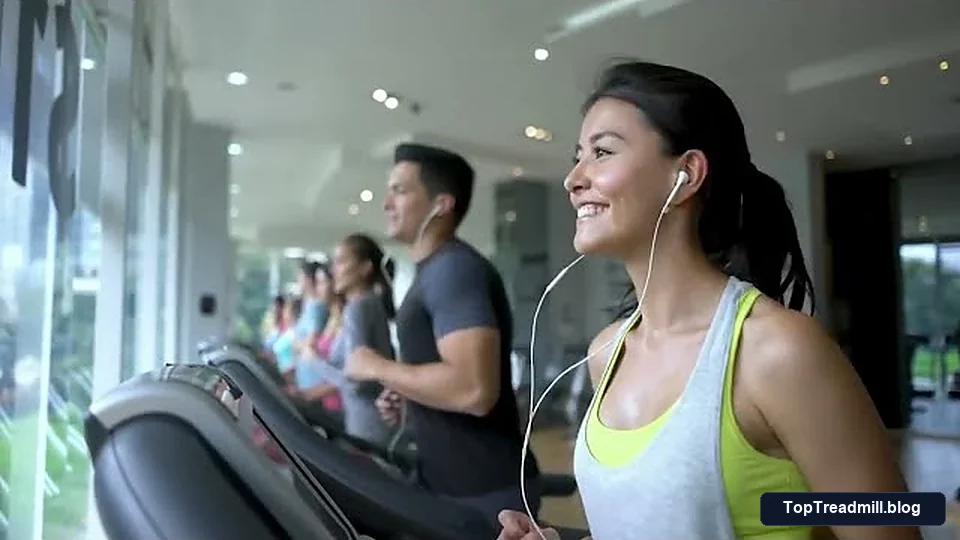
Running on a commercial gym treadmill offers predictable mechanical feedback through cushioned elastomer decks designed to minimize peak impact forces. This engineered shock absorption protects vulnerable knees and ankles from chronic repetitive stress injuries.
When training indoors on a strict budget, exploring our best budget running machine picks helps you find models featuring adequate deck cushioning. These units still protect your joints while lowering cumulative impact loads.
Selecting the right surface depends heavily on your current injury history and structural recovery needs during high-mileage training blocks. Balancing both modalities helps prevent overuse injuries while maintaining robust bone density adaptations.
Outdoor running forces your legs to absorb high ground reaction forces on rigid concrete, often reaching up to three times your body weight with every single striking footstep.
Modern gym treadmills feature elastomeric deck cushioning systems engineered to mitigate peak impact forces, significantly reducing repetitive stress on your knees and ankles during extended endurance sessions.
However, motorized belts pull your foot backward automatically, slightly altering your natural stride mechanics and decreasing terminal calf muscle engagement compared to driving propulsion outdoors.
- Gym decks use elastomer cushioning to reduce ground reaction forces.
- Outdoor pavement provides zero shock absorption for lower limbs.
- Indoor belts encourage shorter stride lengths compared to open terrain.
Evaluating Impact Forces on Lower Limbs
Indoor treadmills actively absorb a portion of your footstrike energy through flexible frames and cushioned running belts. This reduces the immediate shock transmitted up your tibia and knee joint during every single stride.
Outside surfaces demand complete muscular absorption of your body weight, building immense tendon resilience. Runners transitioning outdoors must increase mileage gradually to avoid sudden shin splints or achilles tendonitis flare-ups.
- Commercial treadmills lower peak vertical loading rates substantially.
- Outdoor routes require progressive adaptation for tendon health.
Pacing Control and Workout Precision
Commercial gym treadmills excel at forcing strict metabolic pacing via digital motor controls that lock in exact speeds. This mechanical enforcement prevents your pace from lagging during grueling threshold intervals or long tempo runs.
Choosing the best home running machine allows you to bypass environmental hurdles like headwinds. This gear locks in precise belt speeds to optimize your threshold intervals without perceived exertion bias.
Athletes training for specific race goals benefit greatly from utilizing indoor equipment to lock in target cadences. Yet, mastering outdoor pacing builds crucial mental toughness required on race day.
Maintaining a strict target velocity on a treadmill relies on digital motor controllers that enforce consistent belt speeds, eliminating natural deceleration tendencies caused by fatigue or terrain changes.
Outdoor running requires internal sensory feedback and precise GPS watch monitoring to regulate splits, often resulting in unintentional pacing fluctuations across rolling hills and unpredictable urban street intersections.
Interval training execution benefits heavily from indoor machines because automated incline transitions and rapid speed shifts remove manual lag, maximizing your actual time spent at peak VO2 zones.
- Gym machines provide exact speed calibration for precise interval training.
- Outdoor runs introduce natural pacing fluctuations due to terrain.
- Digital consoles display instant heart rate and caloric expenditure metrics.
Mastering Speed Calibration and Intervals
Interval training on a treadmill eliminates the delay of accelerating your body mass from a standstill. The motorized belt forces your legs to turnover immediately at pre-set anaerobic thresholds without hesitation.
Outdoor intervals require conscious acceleration and deceleration phases, engaging more hamstring and glute activation. Both approaches offer unique conditioning benefits for middle-distance and marathon runners alike.
- Motorized belts force immediate high-cadence turnover.
- GPS watches track outdoor interval splits with slight satellite delays.
Environmental Factors and Climate Control
Gym environments offer sterile, climate-controlled settings shielded from extreme summer heatwaves, freezing winter temperatures, and torrential downpours. This weather independence guarantees uninterrupted training consistency regardless of seasonal weather patterns.
Running outside exposes your body to thermal stress, humidity, wind resistance, and changing atmospheric pressures. While challenging, this exposure prepares your cardiovascular system to perform efficiently in unpredictable race-day conditions.
Choosing between these environments often comes down to regional climate limitations and personal safety preferences during early morning hours. Both options test your respiratory capacity under vastly different atmospheric conditions.
Exercising inside a climate-controlled fitness facility protects your respiratory system from extreme ambient temperatures, high humidity levels, and dangerous airborne particulate matter during high-pollution days.
Conversely, outdoor running exposes your body to natural solar radiation and wind resistance, requiring greater cardiovascular effort to cool your core via sweat evaporation mechanics.
Gym environments lack natural wind shear, which can cause heat accumulation around your skin unless facility operators maintain adequate HVAC air circulation throughout the workout floor.
- Gyms feature air conditioning to prevent overheating during intense efforts.
- Outdoor training builds thermoregulatory endurance against wind resistance.
- Indoor workouts eliminate UV exposure and slippery winter ice hazards.
Thermoregulation and Aerodynamic Drag
Indoor runners miss out on natural wind resistance, which normally requires extra muscular effort to overcome outside. To mimic outdoor drag indoors, many coaches recommend setting a one percent treadmill incline.
Outdoor thermoregulation forces your heart rate to rise as blood is diverted to the skin for cooling. Training in high heat builds plasma volume and improves overall cardiovascular efficiency over time.
- Indoor air stagnation requires supplemental fans for proper cooling.
- Outdoor headwinds increase energy expenditure significantly at race paces.
Equipment Maintenance and Operational Costs
Finding the best running machine for home gym spaces requires balancing heavy-duty frame designs with proper motor specs. Unlike commercial facilities, your personal equipment demands routine belt lubrication and motor calibration.
Outdoor running requires zero mechanical upkeep, saving you from belt lubrication, motor calibration, and electrical repairs. However, outdoor runners must invest heavily in seasonal technical apparel and durable running shoes.
Evaluating the true cost of your running routine involves weighing gym membership dues against footwear wear patterns. Both paths demand financial investment to ensure safety and comfort during training cycles.
Commercial gym treadmills demand rigorous preventative maintenance routines, including bi-weekly deck lubrication and drive belt tension checks to prevent motor burnout failures during peak hours.
Running outdoors involves zero equipment upkeep expenses for motors or consoles, though you must factor in frequent running shoe replacements due to abrasive asphalt wear.
Facility operators invest heavily in electrical infrastructure upgrades to handle continuous high-amp loads demanded by multiple heavy-duty motor drives running simultaneously during busy morning rushes.
- Gym equipment relies on staff for belt tension and lubrication.etat
- Outdoor running eliminates machine maintenance but increases shoe turnover.
- Facility memberships grant access to diverse cross-training machinery.
Upkeep Responsibilities and Gear Expenses
Gym treadmills require rigorous preventive maintenance including board cleaning and drive belt replacements. Facility operators absorb these technical service costs to keep commercial fleets running smoothly.
Outdoor runners experience faster outsole wear due to abrasive concrete surfaces and harsh weather conditions. Replacing worn running shoes frequently is essential to maintain proper foot support.
- Commercial decks undergo scheduled safety and electrical inspections.
- Outdoor footwear requires frequent replacement due to abrasive terrain.
Mental Engagement and Psychological Factors
Investing in the best home treadmill for running minimizes indoor boredom by supporting interactive virtual apps. These modern consoles transform repetitive belt sessions into engaging visual experiences.
Outdoor running provides dynamic visual stimulation, changing scenery, and a deeper connection to the surrounding natural environment. This psychological shift can lower perceived exertion and make long mileage feel remarkably shorter.
Balancing both environments prevents mental burnout and keeps your weekly running routine fresh and motivating. Matching your mindset to the right setting ensures high adherence to your training schedule.
Indoor treadmill running often induces sensory monotony, requiring runners to use digital screens, music playlists, or podcasts to combat perceived exertion spikes during long runs.
Outdoor running provides dynamic visual stimulation and changing spatial environments, which naturally distracts your brain and lowers the mental fatigue threshold over equivalent distances.
Psychological resilience builds differently in both settings, with treadmills testing sheer willpower against a fixed clock, while outdoor routes challenge your ability to conquer harsh elements.
- Treadmill screens and virtual platforms help alleviate indoor boredom.
- Outdoor routes offer scenic variety that naturally boosts mood.
- Gym mirrors allow real-time form checks during recovery runs.
Combating Boredom and Enhancing Focus
Indoor training requires strong mental discipline to push through high-intensity intervals without outdoor scenery. Virtual simulation software has transformed this experience by offering immersive digital courses and global communities.
Outdoor routes present natural distractions like traffic, pedestrians, and changing terrain features that demand constant focus. This heightened awareness sharpens your tactical thinking and reaction times during hard efforts.
- Virtual racing apps connect indoor runners to global leaderboards.
- Outdoor navigation requires situational awareness for urban safety.
Accessibility, Safety, and Logistics
Gyms offer secure, well-lit facilities with staffed front desks, lockers, and reliable access to emergency medical assistance. This controlled environment provides peace of mind for runners who train late at night.
Outdoor running requires careful route planning to avoid heavy traffic, poorly lit streets, and isolated pathways. Safety gear such as reflective vests and headlamps becomes non-negotiable for dark winter evening sessions.
Weighing logistical convenience against the freedom of open air helps you determine your optimal weekly training schedule. Combining both approaches maximizes safety while satisfying your desire for exploration.
Gym facilities offer 24/7 security, bright lighting, and emergency stop lanyards, making them exceptionally safe options for runners completing workouts during dark winter evenings.
Outdoor running demands constant situational vigilance regarding vehicular traffic, uneven pavement cracks, and changing weather hazards that can easily cause sudden acute ankle sprains.
Logistical convenience heavily favors indoor training when your membership access is nearby, bypassing the need to plan complex routes or wear high-visibility reflective gear.
- Commercial facilities feature secure parking and surveillance systems.
- Outdoor training requires high-visibility gear during low-light hours.
- Gym hours dictate your access window, whereas paths remain open.
Navigating Safety Protocols and Scheduling
Indoor facilities provide immediate shelter from sudden storms and a secure place to store personal belongings. You can complete your workout safely regardless of local neighborhood traffic or lighting conditions.
Outdoor runners must navigate street crossings, uneven pavement, and unpredictable stray animals during their excursions. Carrying identification and a mobile phone is essential for emergency preparedness.
- Gyms offer secure lockers and staffed emergency response personnel.
- Outdoor routes demand careful attention to traffic laws and visibility.
Frequently Asked Questions
Is running on a treadmill easier on your joints than running outside?
Yes, commercial gym treadmills feature cushioned elastomer decks that absorb significant impact forces. This engineered shock reduction protects your knees and ankles from chronic repetitive stress injuries during long training sessions.
Do I need to adjust the treadmill incline to match outdoor running?
Yes, setting your treadmill to a one percent incline helps compensate for the lack of natural wind resistance. This simple adjustment aligns your cardiovascular energy expenditure more closely with outdoor running conditions.
Which option is better for preparing for an upcoming road race?
Outdoor running is generally superior because it trains your stabilizing muscles on unpredictable terrain and elevation changes. However, treadmills remain excellent tools for locking in strict race-day pace discipline.
How does weather exposure affect outdoor running performance?
Environmental heat and humidity cause your heart rate to spike as your body works harder to cool itself. While challenging, this thermoregulatory stress builds great cardiovascular endurance over time.
Can indoor treadmill running help prevent common overuse injuries?
Treadmills can reduce impact shock, but transitioning too quickly between indoor and outdoor surfaces can still cause injuries. Gradual mileage increases and proper footwear are essential for protecting your lower limbs.