Peloton Treadmill vs Regular Treadmill Guide
Choosing between an interactive connected fitness machine and a standard cardio deck requires analyzing your daily training habits. Prioritize your specific software needs and mechanical requirements.

Choose the Peloton model for immersive instructor-led classes and structured digital motivation. Opt for a standard alternative if you prefer open-source programming, BYOD setups, and lower ongoing software dependency.
Compare all top models in our Best Treadmill: Top Home Fitness Picks (2026 Guide).
Side-by-Side Breakdown
| Criteria | Peloton Treadmill | Regular Treadmill | Edge |
|---|---|---|---|
| Core Design / Build | Integrated touchscreen and proprietary structural framing | Modular console options with universal mounting layouts | Regular Treadmill |
| Real-World Performance | Optimized for class synchronization and metric tracking | Varies widely from basic jogging to heavy commercial use | Regular Treadmill |
| Ease of Setup & Use | Requires active subscription and dedicated network pairing | Immediate manual start without mandatory app logins | Regular Treadmill |
| Durability & Reliability | Proprietary parts limit independent mechanical repairs | Universal replacement components simplify long-term servicing | Regular Treadmill |
| Efficiency / Operating Footprint | Fixed console footprint with high power draw for displays | Wide range of folding and non-folding spatial configurations | Peloton Treadmill |
| Maintenance Requirements | Frequent software updates and subscription management protocols | Standard belt lubrication and manual hardware tensioning | Regular Treadmill |
| Best Ideal Use Case | Class-driven runners seeking community accountability structures | Independent athletes wanting custom intervals and media freedom | Depends on User |
Ecosystems and Software Architecture
Modern cardio equipment relies heavily on digital interfaces to drive daily engagement. Understanding how each platform handles user data dictates your long-term satisfaction.
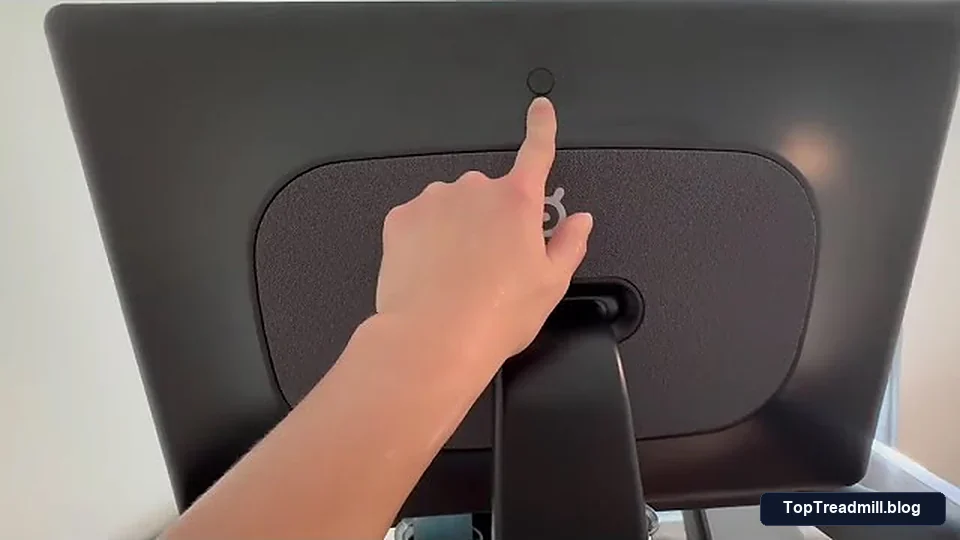
Connected fitness ecosystems transform routine running sessions into immersive virtual classes. These closed environments prioritize seamless user profiles and biometric synchronization.
Open-source alternatives offer complete freedom from mandatory monthly software subscriptions. You can stream external entertainment or run completely offline without feature locks.
Proprietary closed systems like our Peloton Treadmill Review lock users into custom Android builds that restrict sideloading apps. Regular treadmills feature agnostic consoles, permitting third-party streaming apps or simple Bluetooth FTMS protocol connections.
Software updates on connected smart trainers deploy automatically via cloud infrastructure, updating user interfaces and metric tracking algorithms. Standard motorized treadmills rely on static firmware, rarely receiving updates unless a console hardware swap becomes necessary.
Data telemetry streams differently across these platforms, with closed ecosystems exporting proprietary activity files. Conventional fitness machines seamlessly sync workout metrics directly to standard apps like Garmin Connect or Strava using standard file formats.
- Peloton locks core metrics behind an active subscription tier
- Standard treadmills feature basic LCD or LED performance readouts
- BYOD tablets mount easily on most generic console frames
Interface Usability and App Integration
Touchscreen responsiveness directly impacts your workout flow during intense interval training sessions. Laggy software creates frustration when adjusting speeds quickly.
Proprietary displays offer gorgeous graphical layouts designed specifically for indoor running workouts. Generic consoles keep hardware costs lower while ensuring long-term reliability.
- High-definition panels consume more standby electrical power
- Physical buttons prevent accidental slips during heavy sprints
Mechanical Build and Deck Engineering
Structural integrity determines how well a running machine handles high-impact footstrikes over thousands of miles. Heavy steel frames reduce vibration and minimize structural flex.
Deck cushioning systems absorb shock to protect your joints from repetitive impact injuries. Manufacturers tune these elastomer blocks differently based on target user demographics.
Heavy-duty steel frames provide structural rigidity, minimizing frame flex during high-intensity sprint intervals. Our Peloton Treadmill Review details how commercial standard treadmills employ modular bolted frames designed for easier field serviceability.
Deck cushioning systems dictate impact absorption and joint stress mitigation. Connected fitness treadmills often balance firm road-like feels with elastomer cushions, while traditional orthopedic decks use multi-zone dampening to reduce cumulative running injuries.
- Peloton utilizes a solid, non-folding structural steel chassis
- Many regular treadmills feature hydraulic folding mechanisms
- Deck height impacts overall ceiling clearance requirements indoors
Frame Rigidity and Vibration Dampening
Rigid frames prevent annoying shaking during high-speed sprinting intervals. Premium welded steel outlasts bolted assemblies prone to loosening over time.
Absorbing shock effectively reduces knee and lower back stress during long endurance runs. Balance your need for soft cushioning with stable energy return.
- Non-folding frames provide superior stability under heavy loads
- Cushioned decks mimic outdoor road surfaces with varying firmness
Motor Performance and Incline Mechanics
Continuous horsepower ratings dictate how smoothly a drive motor handles rapid speed adjustments. Stronger motors prevent hesitation when heavy runners strike the belt.
Incline systems alter your biomechanics by simulating outdoor hill climbs and mountain trails. Reliable elevation actuators raise the running deck smoothly and quietly.
Continuous horsepower ratings reveal true motor capability under continuous load. High-end regular treadmills frequently feature robust AC motors for heavy commercial duty, while connected home units lean on precision-tuned, high-torque DC motors.
Incline mechanisms utilize linear actuators to alter deck angles, impacting muscle recruitment profiles. Standard machines typically offer steeper maximum inclines, whereas specialized smart treadmills integrate rapid incline response times designed for virtual terrain synchronization.
- Continuous horsepower ratings measure true sustained motor output
- Incline motors require robust gears to lift loaded decks
- Speed sensors ensure precise belt velocity during interval training
Torque Delivery and Speed Calibration
High torque motors maintain consistent belt speed even under significant downward foot pressure. This prevents micro-stalls that disrupt your natural running stride.
Accurate speed calibration ensures your pacing metrics match real-world running efforts. Our Technical Review highlights how regular maintenance keeps drive belts properly tensioned for optimal power transfer and longevity.
- Brushless motors offer quieter operation and longer lifespans
- Quick-adjust paddles speed up interval pacing transitions
Setup, Footprint, and Spatial Planning
Floor space constraints often dictate which treadmill model fits best in your home gym. Fixed-frame machines demand permanent clearance zones for safety.
Folding alternatives free up valuable floor space when not in use. Consider ceiling height requirements especially if your machine features steep incline capabilities.
Spatial planning requires accounting for dynamic clearance zones behind the running surface. Non-folding connected models demand permanent floor space, whereas many conventional home treadmills incorporate hydraulic assist cylinders for convenient vertical folding.
Electrical requirements vary based on motor draw and integrated touchscreen consoles. Dedicated circuits prevent tripped breakers, particularly when operating heavy-duty drive systems alongside large high-definition displays demanding continuous electrical current.
- Peloton units have a fixed, non-folding footprint design
- Standard folding units feature hydraulic drop-assist systems
- Electrical outlet placement must match cord length specifications
Spatial Optimization and Room Layout
Placing your equipment near sturdy walls helps maintain proper structural alignment. Ensure adequate clearance behind the running belt for emergency dismounts.
Heavy machines require protective flooring mats to safeguard hardwood and carpet surfaces. Proper ventilation keeps the motor cool during extended training sessions.
- Rubber mats reduce floor vibration and acoustic transfer
- Adequate rear clearance prevents accidental wall collisions
Maintenance, Repairs, and Component Lifespan
Routine upkeep preserves your equipment investment and prevents catastrophic mechanical failures. Keeping the running belt lubricated reduces friction and motor strain.
Proprietary electronics complicate repairs when specialized parts fail outside warranty coverage. Standard components allow local technicians to service generic machines easily.
Routine belt lubrication reduces friction between the running belt and running board. Digital consoles often feature automated diagnostic prompts reminding users to apply silicone lubricant at prescribed mileage intervals to prevent premature motor strain.
Component availability differs significantly between proprietary brands and open-market fitness equipment manufacturers. Independent technicians can easily source universal replacement parts for standard treadmills, while proprietary electronics necessitate factory-authorized service technicians.
- Silicone belt lubrication is required every few months
- Dust accumulation inside motor hoods causes premature wear
- Firmware bugs require network connectivity for remote patches
Troubleshooting and Spare Parts Availability
Accessing customer support quickly minimizes downtime when technical glitches occur unexpectedly. Generic brands often source parts from universal industrial suppliers.
Complex touchscreens represent a high-cost failure point on modern connected fitness machines. Simple consoles outlast sophisticated panels by avoiding fragile display layers.
- Modular replacement parts simplify out-of-warranty repairs
- Surge protectors safeguard sensitive internal circuit boards
Cost of Ownership and Subscription Value
Initial purchase expenses represent only part of your long-term financial commitment. Monthly digital subscriptions add up significantly over the lifespan of connected hardware.
Traditional machines require zero ongoing software fees to unlock their complete operating capacity. Weigh whether instructor-led programming justifies the continuous monthly expenditure.
Total lifetime expenditure extends far beyond the initial purchase price of the hardware. Smart connected fitness platforms require ongoing monthly digital subscriptions, whereas traditional treadmills involve minimal ongoing costs after the initial warranty period.
Financial value ultimately depends on individual user motivation and daily utilization rates. Households leveraging instructor-led classes daily extract high value from subscriptions, whereas casual walkers find greater economy in basic non-subscription consoles.
- Connected fitness platforms charge recurring monthly membership dues
- Standard treadmills offer completely free standalone workouts
- Extended warranties protect against expensive electronic failures
Value Assessment for Dedicated Runners
Calculate your intended usage frequency to determine true cost-per-workout metrics. Dedicated class enthusiasts easily extract high value from interactive digital ecosystems.
Casual users often find that premium software features go largely underutilized over time. Selecting the right tier prevents buyer remorse on expensive fitness gear.
- Multi-user household profiles maximize subscription value splits
- Basic models suit runners who prefer listening to personal audio
Ergonomics and Training Styles
Your preferred training style dictates which machine features matter most for daily workouts. Interval runners need rapid response buttons for split-second pacing changes.
Endurance runners focus on deck cushioning and comfortable handrail geometry during long efforts. Matching equipment ergonomics to your body prevents unnecessary joint strain.
Biomechanical alignment relies on proper belt dimensions and comfortable stride clearances. Our Peloton Treadmill Review notes how high-performance treadmills offer expansive surfaces that accommodate tall runners during maximum velocity sprints.
Training diversity varies between structured studio classes and self-directed interval programs. Connected systems prioritize group motivation and rhythmic cadence building, while standard machines suit runners following customized offline training regimens.
- Ergonomic handrail placement keeps heart rate sensors accessible
- Wide running belts accommodate natural lateral stride variances
- Console angles reduce glare under bright indoor lighting
Stride Dynamics and Handlebar Layout
Taller runners require longer running decks to prevent clipping the motor housing. Compact machines force an unnatural shortening of your normal stride length.
Thoughtful handlebar design provides safe support during heavy incline walking intervals. Avoid bulkier consoles that interfere with natural arm swing mechanics.
- Minimum sixty-inch belts suit tall runners comfortably
- Side emergency stop clips are mandatory for safety compliance
Frequently Asked Questions
Can a Peloton treadmill function normally without an active digital subscription?
Yes, basic manual mode functions without a subscription. However, advanced workout metrics remain locked behind the paywall.
Do regular treadmills offer folding frames for small home gyms?
Many standard models feature hydraulic folding mechanisms to save floor space. Peloton units utilize a fixed non-folding frame design.
What maintenance is required for standard running machine belts?
You must apply silicone lubricant beneath the walking belt periodically. Regular alignment checks prevent premature wear along the deck edges.
Are replacement parts easier to source for generic treadmill brands?
Universal components make servicing generic machines straightforward for local technicians. Proprietary connected fitness units require specialized brand support.
How does motor horsepower affect everyday running performance?
Higher continuous horsepower ratings handle heavy runners smoothly without stalling. Strong motors ensure consistent belt speeds during rapid interval training.