Nordictrack Commercial 1750 vs Sole F80: Concise Verdict
Choosing between these heavy-duty machines requires evaluating software immersion versus mechanical simplicity. This technical breakdown compares their engineering, performance, and durability.

Choose the Nordictrack 1750 for interactive coaching and automated incline training. Opt for the Sole F80 if you prioritize lifetime frame warranties and robust mechanical longevity without monthly subscriptions.
Compare all top models in our Best Treadmill: Top Home Fitness Picks (2026 Guide).
Side-by-Side Breakdown
| Criteria | Nordictrack Commercial 1750 | Sole F80 | Edge |
|---|---|---|---|
| Core Design / Build | Welded steel frame with folding hydraulic lift | Heavy-duty commercial steel with robust deck | Sole F80 |
| Real-World Performance | Responsive continuous horsepower motor with incline | High-torque output with smooth speed transitions | Nordictrack 1750 |
| Ease of Setup & Use | Complex console setup requiring digital activation | Straightforward console with tactile buttons | Sole F80 |
| Durability & Reliability | Solid engineering backed by extensive warranty | Exceptional frame warranty and lasting parts | Sole F80 |
| Efficiency / Operating Footprint | Standard electrical draw with integrated cooling | Energy efficient drive system with wide base | Sole F80 |
| Maintenance Requirements | Regular belt lubrication and software updates | Simple mechanical upkeep with low maintenance | Sole F80 |
| Best Ideal Use Case | Connected runners wanting scenic virtual routes | Traditional runners valuing hardware longevity | Split |
Core Design and Structural Engineering
Evaluating heavy-duty fitness equipment demands a close look at structural integrity. Both treadmills utilize robust steel frames designed to withstand intense daily training sessions.
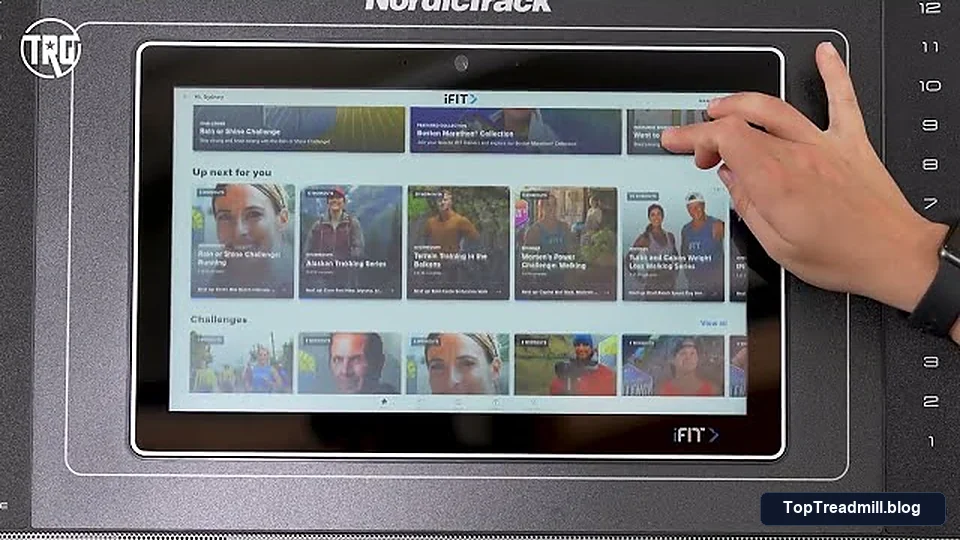
As highlighted in our NordicTrack Commercial 1750 review, the unit integrates a sleek folding mechanism alongside modern plastics, whereas the Sole F80 focuses heavily on commercial-grade steel thickness.
Engineers built these machines for stability, yet their approaches differ significantly. One prioritizes modern space-saving footprints, while the other leans toward traditional gym-level solidity.
- Welded steel frames provide maximum torsional rigidity during high-speed runs.
- Hydraulic folding assist mechanisms ensure safe deck storage after workouts.
- Reinforced upright pillars reduce console wobble during heavy footstrikes.
Frame Rigidity and Footprint
Structural stability directly influences user confidence during intense interval sessions. The Sole model features an exceptionally wide base that eliminates side-to-side rocking.
Nordictrack utilizes a slightly narrower stance to accommodate the folding arms. Both systems handle heavy users effectively without sacrificing operational safety standards.
- Base width dimensions dictate overall lateral stability during sprinting.
- Console arm thickness prevents distracting visual vibrations while running.
Core Design and Structural Engineering
As noted in our commercial 1750 treadmill review, structural integrity relies on heavy-gauge steel frame construction designed to withstand rigorous daily running sessions without deflection.
Conversely, the Sole F80 features a folding frame engineered with a heavy-duty steel design. Its patented keystone folding deck mechanism ensures maximum stability when locked upright for secure residential storage.
Frame geometry dictates overall machine stability during high-speed intervals. Both models incorporate leveling feet to correct uneven flooring, preventing rocking forces from destabilizing the user's natural stride kinematics.
Real-World Performance and Motor Dynamics
Motor output determines how smoothly a treadmill handles rapid pace adjustments. Both units employ high-performance drive systems designed to resist overheating under load.
As outlined in our Nordictrack 1750 review, the model features a responsive continuous horsepower motor engineered for quick incline changes, while the Sole F80 delivers steady torque.
Runners will notice subtle differences in how each belt reacts to footstrikes. Proper flywheel balancing ensures consistent momentum throughout every single stride rotation.
- Continuous horsepower ratings dictate sustained high-speed endurance capabilities.
- Flywheel weight directly impacts the smoothness of the return stroke.
- Dynamic motor response times matter immensely during interval training.
Speed and Incline Transitions
Automated elevation changes enhance cardiovascular conditioning by targeting different muscle groups. Nordictrack excels here with rapid grade shifts designed for virtual terrain simulation.
Sole provides reliable incline and decline ranges using robust mechanical actuators. Both machines transition smoothly between pacing intervals without sudden jerking motions.
- Actuator speed determines how quickly elevation adjustments occur.
- Maximum incline angles challenge posterior chain muscles effectively.
Real-World Performance and Motor Dynamics
Motor continuous horsepower ratings determine sustained operational efficiency. The NordicTrack model employs a high-torque continuous-duty drive system designed to maintain smooth belt velocity even under heavy foot strike impacts.
The Sole F80 utilizes a robust flywheel paired with a responsive motor designed for longevity. Its internal cooling fans prevent thermal overload during extended endurance sessions at elevated incline angles.
Belt friction management directly affects continuous motor longevity. Both treadmills require proper silicone lubrication applied beneath the multi-ply running belt to reduce amp draw and prevent premature electronic board failure.
Cushioning Technology and Joint Impact
Joint protection remains a primary concern for runners logging high weekly mileage. Manufacturers utilize distinct deck suspension designs to absorb harmful impact shock forces.
The Nordictrack 1750 incorporates adjustable dampening to simulate outdoor road running. On the other hand, the Sole F80 utilizes a proprietary cushion flex deck.
Reducing impact stress helps prevent common running injuries like shin splints. Testers frequently evaluate these dampening systems across various speeds to measure effectiveness.
- Deck dampening tech reduces impact forces transferred to runner joints.
- Adjustable firmness allows users to customize their running surface feel.
- Deck longevity depends on elastomer quality and placement strategy.
Impact Absorption Mechanics
Absorbing shock effectively requires high-grade elastomer cushions beneath the running deck. Sole designs its system to absorb significant impact energy before it reaches the frame.
Nordictrack offers a slightly softer feel that appeals to casual joggers. Competitive runners often prefer the firmer, more responsive feedback of traditional tracks.
- Elastomer placement targets high-strike impact zones near the front.
- Deck flexibility influences overall runner energy return efficiency.
Cushioning Technology and Joint Impact
Deck cushioning systems significantly alter biomechanical impact forces. NordicTrack integrates adjustable Runners Flex cushioning elastomers that absorb shock effectively or stiffen to mimic outdoor asphalt road running conditions.
Sole relies on its patented Cushion Flex Whisper Deck technology. This system is engineered to reduce impact forces on joints by up to forty percent compared to running directly on unyielding outdoor pavement.
Runner preference dictates whether softer or firmer deck responses are ideal. Heavier users often prefer firmer Sole decks, while joint-sensitive runners appreciate the customizable damping profile found on the NordicTrack 1750.
Console Interface and Digital Integration
Modern treadmills often double as entertainment hubs through advanced digital displays. The user interface dictates how easily you can modify workout parameters on the fly.
The Nordictrack 1750 centers its experience around a large pivoting touchscreen interface. Conversely, the Sole F80 relies on a straightforward, highly functional LCD screen.
Software ecosystem preferences often decide which machine suits a buyer best. Some trainees love immersive virtual classes, while others prefer simple metric tracking.
- Touchscreen displays enable immersive virtual coaching and scenic routes.
- Traditional console layouts offer immediate access to core metrics.
- Bluetooth connectivity allows seamless heart rate monitor synchronization.
Software Subscriptions vs Standalone Use
Subscription platforms unlock extensive instructor-led training libraries for motivated athletes. Nordictrack integrates deeply with iFit to deliver global terrain video content.
Sole offers a simpler approach focused on built-in programs and device mirroring. This model appeals to users who dislike recurring monthly software subscription fees.
- Subscription models provide continuous fresh workout content libraries.
- Standalone consoles function reliably without internet dependency.
Console Interface and Digital Integration
Modern user interfaces prioritize immersive digital ecosystem connectivity. The NordicTrack features a large tilting touchscreen optimized for streaming interactive coach-led fitness classes and virtual terrain mapping applications.
The Sole F80 opts for a traditional, highly durable console layout. It emphasizes straightforward data metrics and integrates device ledges for streaming personal entertainment via tablets without mandatory subscription paywalls.
Bluetooth telemetry integration allows seamless heart rate strap syncing. Both machines support standard chest transmitters, though their software architectures differ in how third-party fitness apps process workout telemetry.
Maintenance, Efficiency, and Longevity
Long-term ownership costs involve routine upkeep, lubrication, and electrical efficiency. Selecting durable internal components minimizes unexpected repair bills over the machine's lifespan.
The Sole F80 is renowned for requiring minimal mechanical maintenance over years of use. Meanwhile, the Nordictrack 1750 requires standard belt care and software updates.
Proper preventative maintenance ensures your investment delivers optimal performance for decades. Keeping the running belt clean prevents premature motor strain and friction wear.
- Regular deck lubrication reduces friction and extends belt lifespan.
- Electrical efficiency ratings help manage household utility power consumption.
- Sealed roller bearings prevent dust accumulation in moving parts.
Upkeep Best Practices
Routine maintenance routines protect vital mechanical components from premature failure. Users should periodically check bolt tightness and alignment across the running deck.
Clearing dust from the motor compartment prevents overheating during extended workouts. Following manufacturer guidelines guarantees smooth operation throughout the equipment lifecycle.
- Belt tension adjustments prevent slipping during heavy footstrikes.
- Surface cleaning protects console plastics from sweat corrosion.
Maintenance, Efficiency, and Longevity
Preventative maintenance directly influences long-term mechanical reliability. Regular belt tracking adjustments prevent edge fraying, while vacuuming accumulated dust from the motor compartment protects sensitive inverter boards from failure.
Electrical power demands require dedicated household circuits. Operating heavy-duty treadmills on shared outlets can trigger circuit breakers, especially when dual incline and drive motors draw maximum amperage simultaneously.
Component wear and tear is inevitable under high-mileage routines. Keeping spare silicone lubricant and replacement drive belts handy ensures minimal downtime when routine upkeep intervals arrive for your home gym.
Assembly, Footprint, and Spatial Planning
Home gym spatial planning requires careful measurement of ceiling height and floor area. Heavy treadmills demand sturdy flooring and adequate clearance zones for safety.
The Nordictrack 1750 features a foldable deck design that helps maximize floor space. Similarly, the Sole F80 utilizes an easy-lock folding mechanism for compact storage.
Assembling these heavy units often requires two people and proper tools. Reviewing dimensions beforehand ensures seamless integration into your designated workout room.
- Folding mechanisms reduce the footprint when not in active use.
- Ceiling clearance must account for user height plus maximum incline.
- Heavy-duty frames require stable flooring to prevent vibration noise.
Space Optimization Strategies
Maximizing available room space involves strategic equipment placement near power outlets. Folding decks up creates valuable floor space for ancillary strength training exercises.
Ensure you leave adequate clearance behind the running deck for safety. Proper spatial planning prevents accidents during emergency dismounts or slips.
- Rear clearance zones protect users from wall collisions during trips.
- Dedicated circuit breakers prevent electrical overloads during operation.
Assembly, Footprint, and Spatial Planning
Spatial planning requires careful measurement of ceiling height clearances. Users must account for their height plus the maximum deck elevation to prevent head clearance issues in basement or attic home gyms.
Assembly complexity demands patience and mechanical aptitude. Heavy steel components, large consoles, and pre-assembled folding mechanisms make two-person assembly mandatory for safe setup and alignment of both units.
Folding storage mechanisms utilize hydraulic assist cylinders. These pistons safely lower the heavy running deck to the floor and lock it securely into an upright position when saving floor space.
Final Verdict and Ideal User Profiles
Choosing the right treadmill ultimately depends on your specific training style and budget. Both machines represent peak engineering within their respective design philosophies.
The Nordictrack 1750 suits tech-focused runners seeking immersive virtual coaching experiences. The Sole F80 serves traditional athletes prioritizing mechanical durability above all else.
Weighing software features against structural longevity clarifies your best purchasing decision. Investing in the correct machine ensures years of satisfying cardiovascular training progress.
- Tech enthusiasts benefit most from interactive touchscreen display ecosystems.
- Traditional runners appreciate bulletproof mechanical warranties and simple consoles.
- Evaluating your daily training habits reveals the ideal option.
Making Your Final Choice
Consider your long-term fitness goals before committing to a specific model. Assessing whether you will actually utilize monthly software subscriptions is critical.
Both treadmills deliver exceptional build quality and performance metrics. Selecting the right one transforms your home gym into a reliable fitness sanctuary.
- Align features with your actual daily workout habits.
- Prioritize warranties that match your projected training intensity.
Final Verdict and Ideal User Profiles
Selecting the right treadmill requires matching hardware specs to personal fitness goals. Interactive runners seeking immersive digital coaching will find the NordicTrack 1750 aligns well with their daily training regimens.
Conversely, as detailed in our Sole Fitness F80 review, runners prioritizing standalone durability and subscription-free operation will appreciate the mechanical resilience and dependable long-term performance.
Reviewing spatial limits, joint sensitivity, and interface preferences helps finalize your choice. Both machines represent elite engineering standards within the modern residential fitness equipment marketplace, satisfying distinct user demands.
Frequently Asked Questions
Can I use the Nordictrack 1750 without an iFit subscription?
Yes, manual mode functions without an active subscription. You can track basic metrics while utilizing built-in workout profiles easily.
How does the Sole F80 folding mechanism operate safely?
It utilizes a hydraulic rack and pinion system. This design locks the deck securely in place when upright.
Which treadmill offers better joint cushioning during runs?
The Nordictrack 1750 features adjustable dampening for road simulation. The Sole F80 provides firm, impact-absorbing elastomer cushioning.
Do both treadmills require dedicated electrical circuits?
Standard household outlets power both units efficiently. However, plugging them into a dedicated circuit prevents tripping breakers.
Which model is better suited for heavy daily usage?
The Sole F80 excels with commercial-grade steel construction. It is built to handle heavy multi-user households with ease.