Nordictrack Commercial 1750 vs Sole F80 Treadmill Comparison
Evaluating the Nordictrack Commercial 1750 and Sole F80 reveals distinct engineering priorities. Choose between immersive digital training or robust mechanical simplicity.

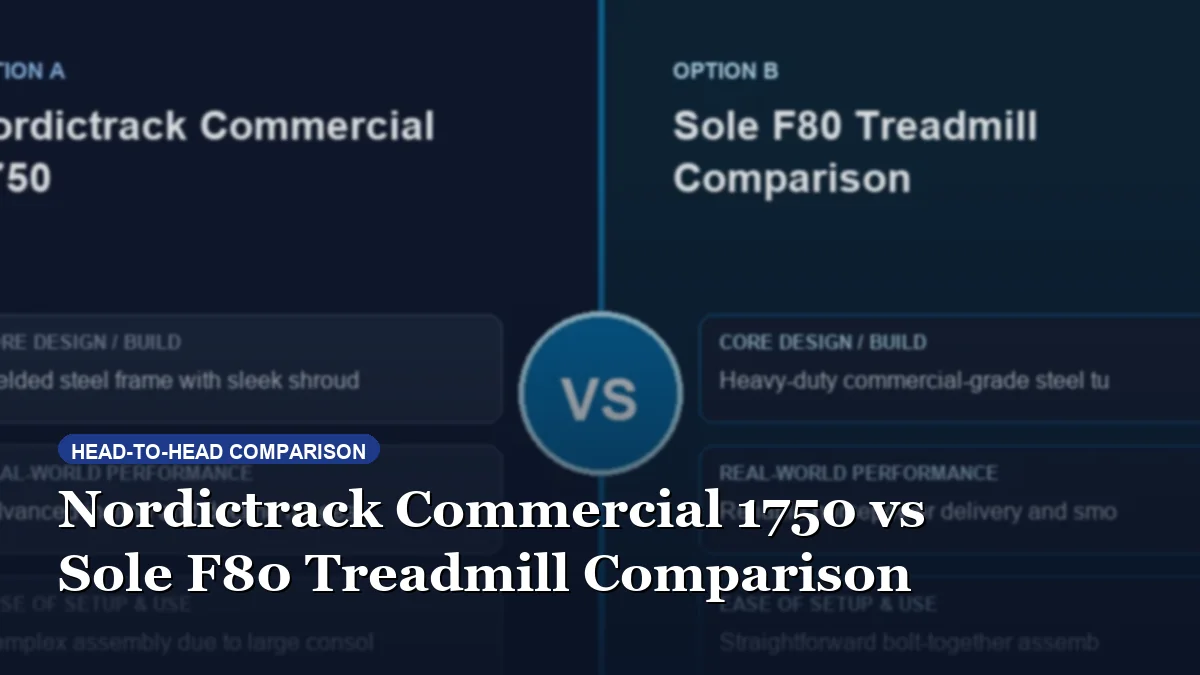
Pick the Nordictrack 1750 for interactive coaching and automated incline transitions. Choose the Sole F80 if you prioritize lifetime frame warranties and heavy-duty folding frames.
Compare all top models in our Best Treadmill: Top Home Fitness Picks (2026 Guide).
Side-by-Side Breakdown
| Criteria | Nordictrack Commercial 1750 | Sole F80 Treadmill Comparison | Edge |
|---|---|---|---|
| Core Design / Build | Welded steel frame with sleek shroud | Heavy-duty commercial-grade steel tubing | Sole F80 |
| Real-World Performance | Advanced incline and decline ranges | Reliable horsepower delivery and smooth speed | Nordictrack 1750 |
| Ease of Setup & Use | Complex assembly due to large console | Straightforward bolt-together assembly process | Sole F80 |
| Durability & Reliability | Solid unit requiring steady software updates | Renowned for robust, long-lasting mechanical parts | Sole F80 |
| Efficiency / Operating Footprint | Standard folding design with gas shocks | Echogear folding mechanism with reliable lift assist | Sole F80 |
| Maintenance Requirements | Regular belt lubrication and software checks | Minimal maintenance with reversible composite decks | Sole F80 |
| Best Ideal Use Case | Runners seeking virtual trainer-led studio classes | Heavy runners wanting uncompromised mechanical longevity | Split |
Core Design & Engineering Differences
Examining the underlying engineering reveals divergent design philosophies. In our Nordictrack Commercial 2450 treadmill review, we note how the Nordictrack 1750 emphasizes modern digital integration paired with fluid incline mechanics.
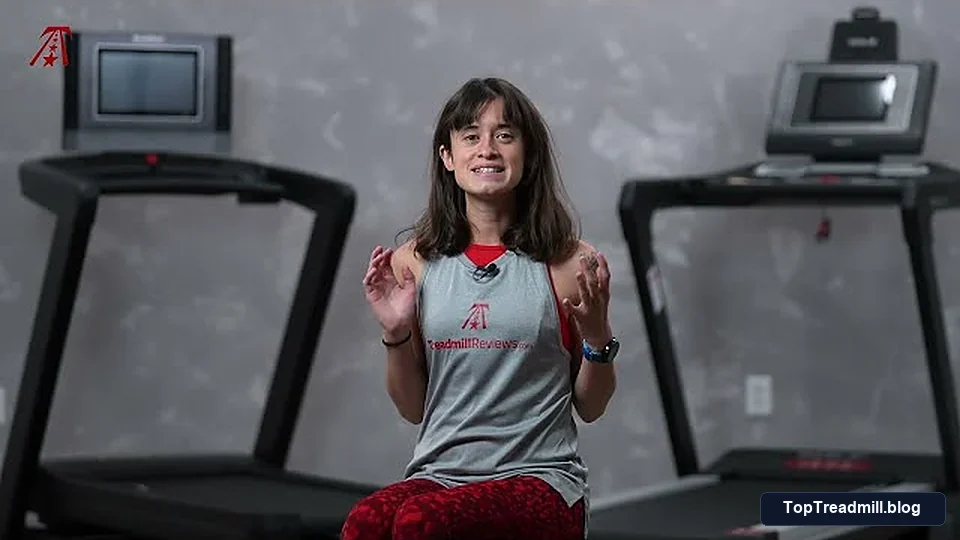
Conversely, the Sole F80 relies on heavy-duty structural steel and traditional mechanical reliability. Both manufacturers target serious runners, yet their execution styles cater to entirely different home gym users.
- Nordictrack utilizes automated decline adjustments alongside steep positive inclines.
- Sole prioritizes reinforced structural steel to handle maximum weight capacities effortlessly.
- Engineering frameworks reflect a split between software immersion and raw hardware.
Structural Integrity and Frame Construction
The physical chassis forms the absolute backbone of any high-end running machine. Engineers designed the Sole frame using thick structural tubing to eliminate distracting side-to-side flex during heavy sprints.
Meanwhile, the Nordictrack frame incorporates engineered pivot points to safely accommodate its expansive motorized incline system without compromising structural rigidity over extended use.
- Heavy-gauge steel prevents frame warping under high-impact footstrikes.
- Integrated cross-braces enhance structural stability across high-speed intervals.
Motor Mechanics and Horsepower Delivery
Continuous horsepower ratings dictate how smoothly a treadmill belt moves beneath heavy loads. The integrated drive system on the Sole model delivers consistent torque without noticeable lagging.
Nordictrack matches this with a responsive drive motor engineered to handle rapid speed and elevation shifts seamlessly during automated virtual training sessions.
- High-torque continuous motors prevent hesitation during sudden acceleration phases.
- Optimized cooling fans protect internal electrical windings from premature thermal overload.
Real-World Performance Comparison
Evaluating real-world performance requires looking closely at how each machine handles daily running sessions. Users demand consistent belt tracking, responsive speed adjustments, and reliable dampening systems.
Our commercial 1750 treadmill review highlights how the Nordictrack Commercial 1750 shines when simulating real outdoor terrain changes. Meanwhile, the Sole F80 delivers predictable mechanical performance for steady-state runners.
- Terrain simulation alters elevation automatically based on virtual route data.
- Speed transitions occur rapidly without jarring momentum shifts for the user.
- Belt traction remains secure even during intense, high-sweat interval workouts.
Incline and Decline Capabilities
Simulating outdoor running paths demands robust elevation mechanisms capable of negative and positive slopes. The Nordictrack includes a unique decline feature that mimics downhill road grades effectively.
While Sole offers substantial positive elevation, it omits the negative grade capability, focusing instead on traditional hill climbing mechanics for building lower body strength.
- Negative elevation ranges target specialized muscle groups during downhill simulations.
- Positive elevation increments adjust smoothly via convenient console hot keys.
Belt Tracking and Deck Stability
A dependable running surface must stay centered and resist slipping under heavy eccentric loading. Both decks utilize multi-ply belts designed to minimize friction and dissipate heat efficiently.
Precision-machined rollers distribute tension evenly across the running surface, reducing premature wear on bearings and extending the functional lifespan of the entire drive train.
- Precision balanced rollers prevent lateral belt drift during long runs.
- Multi-ply running belts absorb surface heat to protect internal layers.
Maintenance, Efficiency & Longevity
Long-term ownership costs depend heavily on routine maintenance requirements and component durability. Owners must periodically lubricate running decks and inspect drive belts to ensure optimal performance.
The Sole F80 is widely celebrated for its minimal upkeep demands and robust warranties. As detailed in our Nordictrack C 1750 Pro treadmill review, the Nordictrack 1750 requires similar care.
- Regular lubrication prevents premature wear on the underside of the belt.
- Electrical components benefit from surge protection during home use.
- Routine inspections keep drive motors running cool and efficiently.
Deck Maintenance and Lubrication Protocols
Keeping the running deck properly lubricated reduces friction and protects the drive motor. Many modern decks feature low-maintenance composite surfaces that require less frequent lubrication intervals.
Following manufacturer guidelines regarding silicone lubricant application prevents costly repairs and ensures the running belt glides smoothly over the underlying phenolic board.
- Composite decks reduce reliance on frequent silicone oil applications.
- Clear maintenance schedules help users protect their hardware investment.
Electrical Efficiency and Power Consumption
High-powered treadmills draw significant electrical current during peak acceleration phases. Proper circuit sizing ensures the machine receives adequate voltage without tripping household breakers.
Standby power consumption remains minimal across both units, though connected consoles with large touchscreens draw slightly more baseline electricity when left powered on.
- Dedicated household circuits prevent voltage drops during intense running intervals.
- Energy-saving standby modes reduce unnecessary baseline electrical power draw.
Which Option Fits Your Setup
Selecting the right equipment depends entirely on your specific home gym layout and training style. Space constraints, ceiling heights, and user preferences dictate the final purchasing decision.
Buyers who crave interactive studio classes will naturally lean toward the Nordictrack platform. Traditionalists seeking a bulletproof mechanical running machine will find the Sole model far more appealing.
- Measure available floor space carefully before ordering large fitness equipment.
- Verify ceiling clearance to accommodate tall users at maximum incline.
- Consider whether virtual programming subscriptions fit your long-term goals.
Spatial Planning and Ceiling Clearance
Treadmills consume substantial floor space and elevate users significantly above ground level. Calculating total ceiling clearance prevents tall runners from striking their heads at maximum incline.
Folding mechanisms allow both models to tuck away when not in use, freeing up valuable floor space in shared multi-purpose rooms or home offices.
- Calculate user height plus maximum deck elevation against room ceilings.
- Hydraulic lift assists make folding the heavy deck safe and effortless.
User Profiles and Training Preferences
Different runners require vastly different features to stay motivated and injury-free. Marathon trainers prioritizing structural durability will appreciate the unwavering strength of the Sole build.
Fitness enthusiasts who enjoy gamified workouts and scenic video routes will maximize their engagement using the advanced touchscreen interface built into the Nordictrack console.
- Distance runners benefit from spacious, shock-absorbing running decks.
- Interactive coaching keeps casual exercisers motivated through varied workouts.
Ergonomics and Deck Cushioning Mechanics
Impact reduction remains a vital consideration for runners logging high weekly mileage. Effective deck cushioning absorbs high-frequency shock waves before they travel up through the joints.
The Nordictrack 1750 features adjustable cushioning that lets users toggle between firm road-like surfaces and softer impacts. According to our NordicTrack Commercial 1750 pros and cons breakdown, the Sole F80 utilizes cushion flex technology.
- Adjustable dampening systems customize impact absorption for different runners.
- Shock absorbers minimize stress on knees, ankles, and lower backs.
- Firm deck zones provide authentic road running push-off mechanics.
Impact Absorption and Joint Protection
Minimizing repetitive stress injuries is crucial for maintaining a consistent running routine. Advanced elastomer dampeners situated beneath the deck absorb significant impact force during every footstrike.
This reduction in reactive shock helps runners recover faster between demanding workouts while protecting sensitive joints from excessive wear over years of heavy usage.
- Elastomer cushions isolate impact forces away from runner joints.
- Consistent shock attenuation supports high-mileage training schedules.
Deck Firmness Customization
Some athletes prefer a soft, forgiving surface, while others demand the firm feel of outdoor asphalt. Nordictrack addresses this preference split by offering adjustable isolators beneath the deck.
Turning these dampeners firms up the running platform for race simulation, whereas loosening them provides maximum shock absorption for recovery runs and walking sessions.
- Rotatable dampeners alter surface firmness within seconds.
- Firm settings mimic outdoor road racing conditions accurately.
Console Technology and Software Ecosystems
Modern exercise equipment increasingly relies on sophisticated software and large high-definition touchscreens. These digital interfaces deliver immersive workouts, scenic views, and real-time biometric tracking data.
The Nordictrack ecosystem centers around interactive studio classes and automated trainer control. The Sole console favors straightforward metrics, physical buttons, and device streaming options.
- Integrated touchscreens stream immersive trainer-led fitness classes directly.
- Physical buttons offer reliable tactile control for speed and incline.
- Bluetooth connectivity enables seamless heart rate monitor pairing.
Interface Usability and Screen Size
Navigating workout menus should be intuitive and distraction-free during heavy exertion. Large touchscreens provide vibrant displays for virtual routes but require stable internet connectivity.
Traditional LED consoles prioritize reliability and quick adjustments, making them ideal for users who simply want to step on, press start, and begin running immediately.
- High-definition screens bring virtual training environments to life vividly.
- Simple LED displays offer distraction-free metrics for focused runners.
Connectivity and Third-Party App Integration
Connecting external devices expands the versatility of modern home treadmills significantly. Bluetooth capability allows runners to sync heart rate straps and listen to wireless headphones.
Built-in device ledges let users watch personal tablets or phones, offering flexibility for entertainment options without relying on proprietary platform memberships.
- Wireless Bluetooth pairing connects standard fitness heart rate monitors.
- Device ledges securely hold personal tablets for media streaming.
Assembly, Mobility, and Spatial Requirements
Moving heavy fitness equipment into a home gym requires careful planning and logistical preparation. Treadmills arrive in large, heavy cardboard boxes containing awkward mechanical components.
The Sole F80 features a straightforward assembly process with clearly labeled hardware. The Nordictrack 1750 involves slightly more complex wiring connections for its large console.
- Pre-assembled components reduce total installation time significantly.
- Transport wheels facilitate minor positioning adjustments on hard flooring.
- Sturdy packaging protects delicate electronics during freight transit.
Installation Complexity and Tool Requirements
Assembling a heavy-duty treadmill safely typically requires two people and basic hand tools. Clear instruction manuals guide users through bolting uprights to the main frame assembly.
Taking time to align bolts correctly before final tightening prevents squeaks and ensures the structural integrity remains uncompromised during subsequent high-speed running sessions.
- Two-person assembly ensures safe lifting of heavy console masts.
- Proper bolt torque prevents structural squeaks during operation.
Transport and Storage Mobility
Transport wheels built into the front base allow users to tilt and roll the folded machine. This mobility helps when cleaning beneath the unit or rearranging home gym layouts.
Hydraulic folding struts secure the heavy running deck safely in its upright storage position, preventing accidental drops while maximizing available floor space.
- Integrated wheels assist with minor positioning shifts on flat floors.
- Hydraulic lift struts lock the folded deck securely in place.
Frequently Asked Questions
Which treadmill offers better durability for heavy runners?
The Sole F80 generally provides superior mechanical durability thanks to its heavy-duty steel frame. This robust construction easily handles heavy users during intensive training sessions.
Does the Nordictrack 1750 require an internet connection?
An active internet connection is required to access full virtual training software features. However, manual workout modes function normally without any network connectivity.
Can I fold both treadmills for compact home storage?
Both models feature reliable hydraulic folding mechanisms designed to save floor space. Their lift assists make raising and lowering the running deck remarkably safe and simple.
How do the incline and decline ranges compare?
The Nordictrack 1750 includes automated decline settings alongside steep positive inclines. The Sole F80 focuses strictly on robust positive elevation adjustments for hill climbing.
What maintenance do these running decks require?
Both machines benefit from periodic belt lubrication and regular dust removal. Following these basic upkeep steps ensures smooth motor operation and extends overall equipment longevity.