Non Electric Treadmill vs Electric: Technical Guide
Choosing between motor-driven belts and user-powered tracks defines your daily cardio experience. Understanding mechanical differences ensures optimal training outcomes for your specific fitness environment.

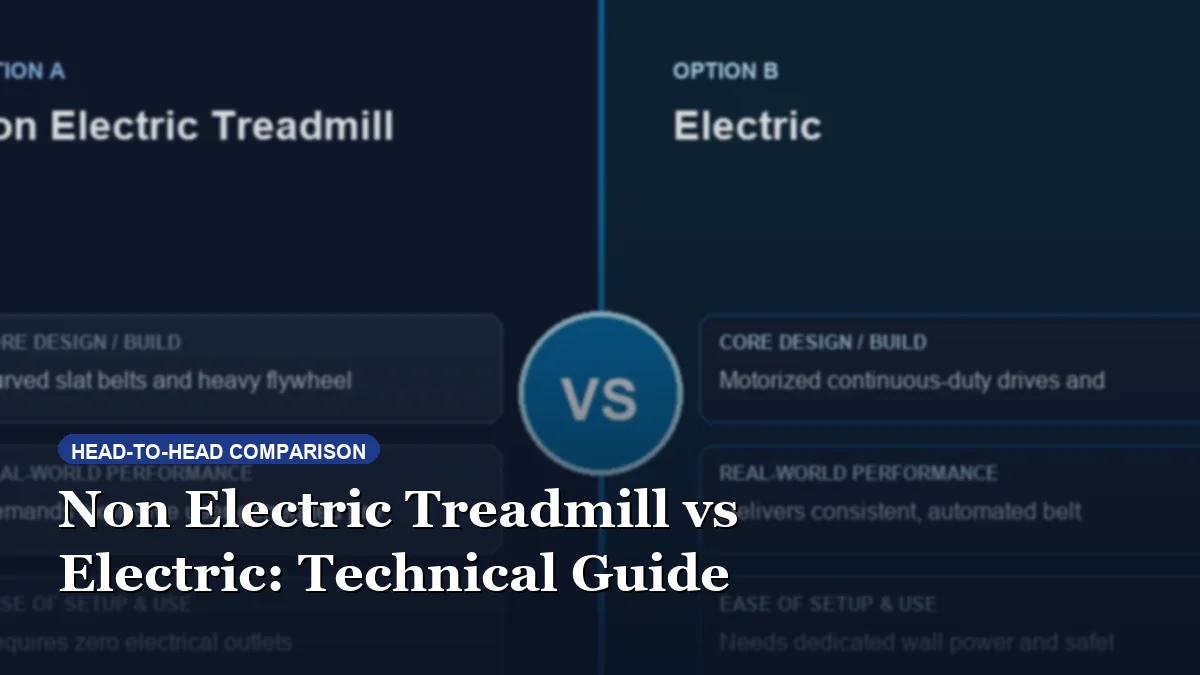
Choose non-electric models for high-intensity interval training and zero-power convenience. Opt for electric treadmills if you require precise speed calibration and structured endurance pacing.
Compare all top models in our Best Treadmill: Top Home Fitness Picks (2026 Guide).
Side-by-Side Breakdown
| Criteria | Non Electric Treadmill | Electric | Edge |
|---|---|---|---|
| Core Design / Build | Curved slat belts and heavy flywheels | Motorized continuous-duty drives and flat belts | Depends on Goal |
| Real-World Performance | Demands explosive user-generated propulsion | Delivers consistent, automated belt velocity | Electric |
| Ease of Setup & Use | Requires zero electrical outlets | Needs dedicated wall power and safety tether | Non Electric |
| Durability & Reliability | Minimal electronic failure points | Complex motor and console upkeep | Non Electric |
| Efficiency / Operating Footprint | Zero electricity consumption | Continuous household power draw | Non Electric |
| Maintenance Requirements | Low-friction slat lubrication | Belt tensioning and motor servicing | Non Electric |
| Best Ideal Use Case | Sprint intervals and athletic bootcamps | Distance running and structured rehab | Depends on Goal |
Motor Mechanics versus User-Powered Drive Systems
The fundamental operational difference relies on how the running belt accelerates underfoot. Manual treadmills use your physical stride to rotate the deck, placing total control directly into your footstrike mechanics.
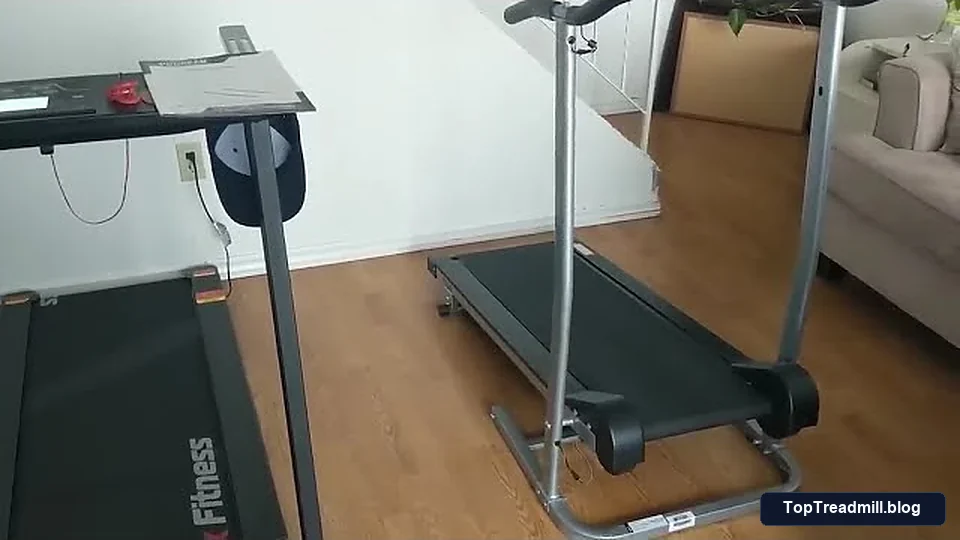
Conversely, motorized alternatives rely on internal continuous horsepower ratings to force a constant pace. This engineering divide creates entirely distinct physical sensations and cardiovascular demands during standard training sessions.
When reviewing the best treadmill options currently on the market, careful buyers always evaluate internal drive systems to match technical specifications with their specific long-term cardiovascular fitness goals.
- User-powered tracks eliminate external power draws entirely.
- Motorized flywheels govern strict belt speeds consistently.
- Mechanical resistance varies based on user body weight.
Curved Slat Belt Engineering
Curved manual designs feature heavily engineered rubber slats resting on precision bearings. Moving toward the front accelerates the belt instantly during explosive sprints.
This structural curvature encourages a natural forefoot strike while minimizing joint impact stresses across your lower extremities.
- Individual slats offer superior durability compared to flat belts.
- Bearings require periodic alignment checks for smooth rotation.
Motorized Continuous Horsepower
Electric units depend on direct-current motors to maintain steady velocities regardless of user fatigue. Higher horsepower ratings prevent belt hesitations during heavy footstrikes.
Internal cooling fans protect electrical windings during extended endurance workouts and steep incline climbs.
- Continuous duty ratings indicate reliable long-term performance.
- Larger motors reduce thermal buildup during heavy workloads.
Biomechanics and Running Form Discrepancies
Running mechanics shift noticeably when moving between motorized tracks and manual surfaces. Propulsion physics require greater hamstring recruitment on unpowered machines due to the required pulling motion.
Traditional motorized belts pull your foot backward, requiring your muscles primarily to lift rather than drive. Understanding these biomechanical shifts prevents unexpected muscle soreness during initial transition phases.
Proper posture remains vital regardless of which system you select for your daily home workouts.
- Manual decks demand active engagement from posterior chain muscles.
- Motorized rollers assist leg turnover during fatigued states.
- Stride length adjusts dynamically on curved manual frames.
Propulsive Strike Mechanics
Generating your own momentum forces a more aggressive forward lean and powerful stride initiation. This mimics outdoor running conditions much closer than standard motorized decks.
Heel striking becomes naturally discouraged because it disrupts the smooth rotation of the manual belt.
- Encourages midfoot or forefoot landing patterns naturally.
- Increases overall caloric expenditure per minute.
Paced Cadence Control
Electric belts enforce strict cadence discipline by dictating the exact speed of your movement. This proves beneficial for marathon training where split times require absolute precision.
Pacing lapses immediately result in drifting toward the rear safety guardrails.
- Eliminates natural velocity fluctuations during long runs.
- Allows precise intervals programmed via console interfaces.
Maintenance Demands and Component Longevity
Hardware upkeep dictates the overall ownership experience for any heavy fitness equipment investment. Mechanical units feature fewer electronic points of failure, lowering long-term repair costs significantly.
Electric variants demand routine belt lubrication, motor brush inspections, and electronic diagnostic troubleshooting. Neglecting basic maintenance schedules on motorized units often voids manufacturer warranties prematurely.
Keeping decks clean from sweat and debris protects delicate internal components across all designs.
- Manual systems lack circuit boards susceptible to power surges.
- Electric rollers require frequent tension calibrations over time.
- Bearing replacements represent the primary manual maintenance task.
Mechanical Wear Patterns
Heavy-duty ball bearings and reinforced slats withstand immense downward force for thousands of operational miles. Routine inspections ensure smooth, silent rotation during high-speed intervals.
Component replacement on manual frames typically involves basic hand tools and minimal technical expertise.
- Slats resist surface cracking better than standard PVC belts.
- Drive chains or belts need occasional tension adjustments.
Electrical Component Vulnerability
Circuit boards, incline motors, and console displays represent complex failure points within motorized treadmills. Power fluctuations can fry sensitive microprocessors without proper surge protection.
Professional technician visits often become necessary when internal drive motors experience catastrophic failures.
- Surge protectors safeguard internal computer hardware effectively.
- Console wiring harnesses require secure routing away from sweat.
Space Management and Power Infrastructure Requirements
Room layout constraints heavily influence whether a motorized or unpowered treadmill suits your home. Electrical placement limits where you can position a motorized unit without running messy extension cords.
Manual alternatives offer complete placement freedom because they require zero wall outlets or floor power strips. Folding capabilities also vary wildly between heavy commercial frames and compact folding designs.
Measuring your available floor space accurately prevents frustrating layout complications upon delivery.
- Manual units sit anywhere without regard to electrical outlets.
- Motorized models demand heavy-gauge dedicated wall circuits.
- Transportation wheels assist with repositioning heavy equipment.
Cord Placement and Layout
Running power cords across walking paths creates an immediate tripping hazard during home gym sessions. Proper positioning against baseboards keeps walkways clear and safe for family members.
Unpowered options eliminate cord clutter entirely for minimalist workout spaces.
- Avoid daisy-chaining multiple extension cords together.
- Position units near grounded outlets for safety compliance.
Folding and Portability
Exploring the best non-electric manual walking pad models helps users find compact frames that slide effortlessly beneath furniture while eliminating cord clutter entirely from tight living areas.
Transport handles make tilting and rolling heavy frames much safer for single users.
- Hydraulic assist struts simplify unfolding heavy motorized decks.
- Vertical storage options save valuable floor space.
Workout Customization and Programming Options
Many affordable budget treadmill models provide surprising training versatility through integrated console technology featuring pre-set interval programs, virtual running courses, and basic heart rate monitoring capabilities.
Traditional unpowered machines usually feature basic LCD monitors tracking speed, wattage, and elapsed time. Athletes seeking advanced performance metrics often pair manual treadmills with external chest strap monitors.
Matching console features to your training style ensures long-term engagement.
- Electric consoles provide automated incline and speed adjustments.
- Manual displays rely on battery power for basic metric tracking.
- Bluetooth connectivity links third-party training apps seamlessly.
Resistance Adjustments
Manual treadmills incorporate magnetic or air resistance levers to increase workout difficulty instantly. This allows users to simulate heavy sled pushes without altering deck elevation angles.
Motorized machines rely exclusively on incline motors to increase workload intensity during climbs.
- Resistance levers offer immediate load changes during sprints.
- Incline motors simulate outdoor hill running conditions accurately.
Digital Console Integration
Advanced touchscreens stream immersive training classes and adjust belt speeds automatically during workouts. This interactive feedback keeps users motivated through grueling endurance sessions.
Basic consoles display essential metrics without overwhelming users with complex digital menus.
- Heart rate telemetry receivers monitor cardiovascular exertion.
- USB charging ports keep mobile devices powered during exercise.
Safety Protocols and Emergency Stop Mechanisms
User safety remains paramount when operating high-speed running machinery inside residential environments. Emergency tether keys on electric treadmills instantly cut power to the drive motor during slips.
Manual treadmills rely on your own physical deceleration to stop the belt safely and naturally. Because the belt only moves when you push it, runaway scenarios are practically nonexistent.
Clear safety zones behind the running deck prevent accidental contact with stationary furniture.
- Magnetic safety lanyards protect users on motorized equipment.
- Manual belts stop rolling immediately once foot pressure ceases.
- Side handrails provide stable balance points during mounting.
Magnetic Tether Keys
Clipping the safety lanyard to your waistband ensures the motor stops if you stumble backward. Regular testing of this switch guarantees reliable operation during unexpected trips.
Without the key attached, most motorized consoles refuse to initiate belt movement.
- Always attach the safety clip before starting workouts.
- Store keys securely away from children to prevent accidents.
Natural Deceleration
Unpowered tracks slow down the moment you step toward the outer frame rails. This eliminates the abrupt stopping jolt associated with sudden motorized treadmill power cuts.
Users retain complete physical control over deceleration rates at all times.
- Reduces jarring impact forces during sudden workout halts.
- Allows natural transition to walking cool-down periods.
Evaluating User Profiles and Long-Term Value
Selecting the ideal equipment requires honest assessment of your personal fitness habits and goals. Sprinters and cross-fitters gravitate toward manual treadmills for unrestricted high-intensity interval training sessions.
Distance runners and walkers generally prefer electric models for steady pacing and low-impact rehabilitation. Assessing your household space, maintenance willingness, and training style ensures optimal satisfaction.
Investing in durable equipment guarantees reliable cardiovascular conditioning for years to come.
- Match machine capabilities to your primary workout objectives.
- Consider household electrical capacity before buying motorized units.
- Evaluate long-term maintenance commitments carefully.
Athletic Training Goals
High-intensity interval training demands equipment that responds instantly to sudden explosive acceleration efforts. Manual curved treadmills excel in bootcamps and sports conditioning facilities globally.
Steady-state endurance training benefits from the consistent pacing provided by motorized belts.
- Explosive sprints suit unpowered slat belt systems.
- Marathon pacing requires reliable motor velocity controls.
Home Gym Budgets
When upgrading a permanent fitness space, investing in a sturdy non-folding treadmill for your home gym ensures maximum structural rigidity during high-intensity endurance workouts without compromising long-term equipment durability.
Prioritizing essential features prevents overspending on unused technological capabilities.
- Factor in potential electronic repair costs for motorized units.
- Manual frames offer exceptional longevity with minimal upkeep.
Frequently Asked Questions
Do non-electric treadmills require any wall power?
No, manual units operate entirely on your physical energy. Batteries power the basic LCD consoles for metric tracking.
Can you run long distances on a manual treadmill?
Yes, but it demands significantly more muscular effort. Continuous endurance pacing feels more natural on motorized belts.
Which treadmill type burns more calories during workouts?
Non-electric curved models typically burn more calories. Active propulsion mechanics recruit additional muscle groups throughout your entire stride.
Are electric treadmills harder to maintain over time?
Yes, they feature complex motors and circuit boards. Routine belt lubrication and tension checks prevent premature electronic failures.
Is it easy to transition from electric to manual?
It takes a few sessions to adjust your stride. Proper form adjustments help prevent initial muscle fatigue in your hamstrings.