Motorized vs Electric Treadmill: Technical Comparison
Navigating the subtle engineering distinctions between motor-driven running platforms and consumer electric treadmills requires careful mechanical analysis.

Choose a heavy-duty motorized system for rigorous continuous running, or select a standard electric treadmill for versatile household fitness routines.
Compare all top models in our Best Treadmill: Top Home Fitness Picks (2026 Guide).
Side-by-Side Breakdown
| Criteria | Motorized | Electric Treadmill | Edge |
|---|---|---|---|
| Core Design / Build | Engineered with continuous horsepower duty motors and reinforced steel frames. | Utilizes standard electric circuits and compact folding upright structures. | Motorized |
| Real-World Performance | Delivers consistent belt velocity under heavy runner footstrikes. | Provides reliable speed adjustments for walking and light jogging. | Motorized |
| Ease of Setup & Use | Requires professional installation due to heavy baseline component weight. | Features lightweight plug-and-play assembly for immediate residential deployment. | Electric Treadmill |
| Durability & Reliability | Equipped with commercial-grade brushes and robust thermal overload switches. | Relies on standard consumer-grade circuit boards and cooling fans. | Motorized |
| Efficiency / Operating Footprint | Demands dedicated high-amp electrical circuits for optimal power delivery. | Operates efficiently on standard household wall outlets without overloads. | Electric Treadmill |
| Maintenance Requirements | Demands frequent belt lubrication and motor brush inspection intervals. | Requires basic deck cleaning and routine tension calibration checks. | Electric Treadmill |
| Best Ideal Use Case | Intense marathon training and multi-user household endurance workouts. | Daily walking, rehabilitation, and moderate jogging in apartments. | Motorized |
Mechanical Architecture and Motor Specifications
Understanding internal drive mechanisms helps buyers differentiate between heavy commercial units and standard home fitness machines. Reviewing our best treadmill choices clarifies how continuous horsepower ratings dictate motor longevity.
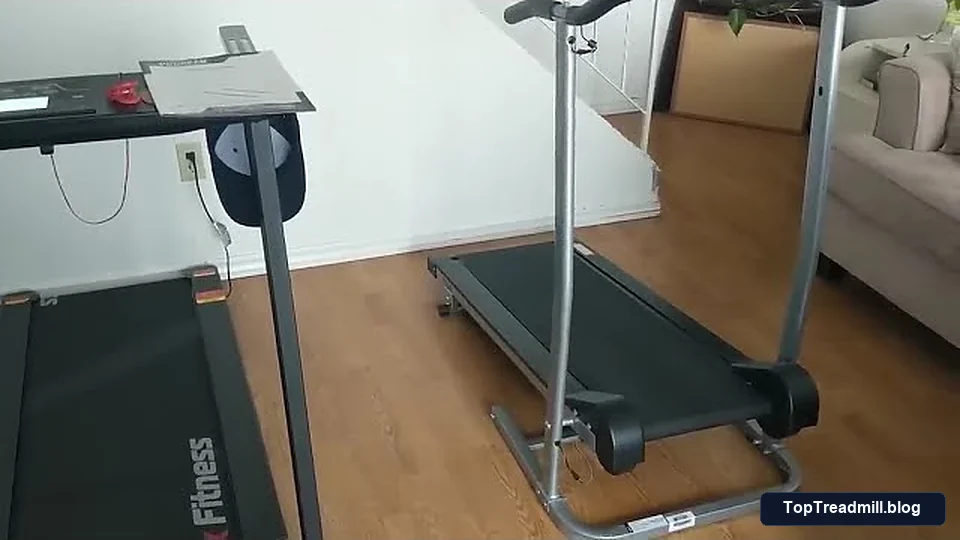
Industrial-grade systems incorporate massive flywheels and heavy copper windings to dissipate heat efficiently. This engineering approach prevents premature thermal failure during intense distance running sessions.
Standard consumer models prioritize compact dimensions over massive torque output. Their smaller stators handle everyday walking loads while keeping overall equipment weight manageable for users.
Understanding continuous horsepower ratings helps buyers evaluate motor durability during extended running sessions. Commercial units typically utilize robust AC motors, while folding home models rely on PWM-controlled DC motors for smooth torque delivery.
The internal flywheel mass directly influences belt rotation smoothness and prevents micro-stutters when your foot strikes the running deck. Heavy flywheels require more initial startup energy but provide superior rotational inertia at high speeds.
Drive systems also incorporate circuit breaker protection to prevent catastrophic thermal overload during high-incline sprint intervals. Inspecting the drive belt tension periodically ensures optimal power transfer from the motor armature to the front roller.
- Continuous horsepower versus peak horsepower ratings
- Flywheel mass and thermal dissipation capacity
- Copper winding thickness and insulation grades
- Drive belt tensioner durability standards
Evaluating Control Board Electronics
Advanced pulse-width modulation controllers manage electrical current sent to the drive motor. Precise voltage regulation ensures smooth belt speeds without sudden surging during footstrikes.
Consumer control boards integrate basic display consoles and Bluetooth modules. While functional, these circuit boards feature lower component tolerances than commercial alternatives.
- Pulse-width modulation accuracy
- Console integration limits
What is a Partner Manager?
Modern fitness equipment ecosystems often rely on specialized software controllers coordinating hardware and app integrations. A partner manager protocol bridges proprietary workout applications with console displays seamlessly.
Commercial motorized setups utilize complex diagnostic software to track component wear over time. This backend tracking helps facility managers schedule preventive maintenance before catastrophic motor failures occur.
Consumer electric models focus on user-facing entertainment apps rather than deep hardware diagnostics. They prioritize streaming compatibility and virtual coaching interfaces over mechanical telemetry tracking.
A treadmill partner manager oversees software integrations between hardware consoles and third-party fitness applications like Zwift or Kinomap. These professionals coordinate API communication protocols to ensure seamless resistance and incline adjustments during virtual workouts.
Technical coordinators work closely with firmware engineers to troubleshoot Bluetooth connectivity drops, especially when testing our best motorized under desk walking treadmill. Maintaining stable wireless data packets prevents frustrating interruptions during structured interval training sessions.
Collaborating with global manufacturers enables partner managers to roll out over-the-air updates containing critical security patches and diagnostic tools. This ecosystem management directly enhances the long-term usability of smart fitness equipment.
- Software integration protocols
- Hardware diagnostic telemetry
- App streaming compatibility
- Preventive maintenance scheduling
System Integration and Firmware Updates
Over-the-air firmware updates keep console interfaces functioning correctly across various mobile devices. Automated patch delivery prevents connection drops during active workout sessions.
Older hardware platforms require manual USB updates to resolve software bugs. Manufacturers provide detailed instructions to ensure safe installation without bricking the console.
- Over-the-air patch delivery
- Manual USB update procedures
Bla gjennom hjelpeemner
Troubleshooting electrical and mechanical faults requires structured diagnostic workflows and clear documentation. Comprehensive error codes guide users through identifying sensor failures and belt alignment issues.
Commercial motorized units display granular diagnostic codes pinpointing specific relay or inverter problems. Maintenance technicians rely on these detailed readouts to minimize equipment downtime.
Consumer platforms simplify error messaging to assist homeowners with basic troubleshooting steps. Common notifications address lubrication reminders, incline calibration errors, and safety key disconnections.
Navigating troubleshooting databases allows technicians to quickly diagnose error codes related to speed sensor misalignment or console communication failures. Accessing structured diagnostic guides accelerates routine equipment repairs in residential and commercial gym environments.
Comprehensive knowledge bases provide step-by-step instructions for replacing worn running belts and calibrating elevation actuator motors safely. Reviewing documented maintenance procedures minimizes downtime and prevents accidental electrical hazards during servicing.
Users can filter technical support articles by specific treadmill models, including options from our best treadmill for cheap lineup, to locate exact torque specifications and lubrication intervals. Utilizing official documentation ensures accurate upkeep safely.
- Granular diagnostic error codes
- User-friendly troubleshooting guides
- Sensor failure identification
- Incline calibration notifications
Resolving Common Electrical Faults
Circuit breaker trips often indicate excessive friction between the running belt and deck. Regular silicone lubrication reduces motor strain and prevents electrical overheating.
Ground fault interrupter compatibility issues can cause unexpected shutdowns during high-speed intervals. Checking household outlet ratings resolves most power delivery anomalies instantly.
- Friction reduction techniques
- Ground fault interrupter checks
Trenger du mer hjelp?
Accessing professional technical support ensures long-term reliability for sophisticated fitness machinery. Dedicated customer service channels provide expert guidance on complex mechanical installations.
Heavy motorized equipment usually requires certified technicians for warranty repairs involving drive motors. Attempting DIY repairs on high-voltage components poses serious safety risks.
Lighter consumer machines offer modular replacement parts designed for straightforward home swapping. Users can easily replace consoles, safety keys, and side rails using basic tools.
When standard troubleshooting steps fail, contacting authorized service technicians helps resolve complex electrical issues involving motor control boards. Providing detailed error logs expedites warranty claims and professional hardware replacements.
Customer support channels often require specific serial numbers and firmware version numbers to diagnose console freezing or sensor disconnects accurately. Having this data ready ensures efficient communication with technical representatives.
Engaging professional assembly and maintenance teams prevents improper deck alignment that frequently voids manufacturer warranties. Investing in expert servicing guarantees your treadmill operates safely under heavy daily use.
- Certified technician warranty support
- High-voltage component safety warnings
- Modular replacement part design
- Basic household tool requirements
Contacting Technical Support Teams
Preparing serial numbers and error logs accelerates the troubleshooting process with support agents. Detailed diagnostic histories help technicians ship correct replacement parts immediately.
Warranty claims require proof of purchase and compliance with scheduled maintenance guidelines. Documenting routine belt care validates coverage terms effectively.
- Serial number preparation
- Warranty documentation rules
Ergonomics, Deck Cushioning, and Impact Absorption
Running biomechanics depend heavily on deck suspension design to minimize joint stress during impacts. Advanced elastomer cushions absorb shock effectively across high-mileage training routines.
Commercial motorized frames feature rigid structural foundations paired with dynamic shock-absorbing decks. This combination supports heavy runners without excessive platform bounce.
Consumer electric treadmills prioritize flexible decks that reduce perceived impact forces for walkers. Softer cushioning protects sensitive joints during daily low-intensity exercise sessions.
Advanced elastomer cushioning systems absorb up to thirty percent of running impact compared to outdoor asphalt, reducing joint stress. Multi-zone decks offer firmer support near the push-off zone and softer absorption at the strike zone.
Maintaining proper running biomechanics on motorized treads requires adequate deck length to accommodate natural stride variations without clipping the motor hood. Taller runners should prioritize decks measuring at least sixty inches long.
Deck flexibility directly impacts kinetic energy return, balancing joint protection with realistic road-like propulsion. Adjustable shock absorbers let users customize firmness levels to match individual orthopedic rehabilitation requirements.
- Elastomer shock absorption pads
- Structural frame rigidity
- Dynamic deck flexibility
- Joint impact force reduction
Deck Material and Friction Management
Phenolic-coated running decks reduce surface friction and extend belt lifespan significantly. Low-friction coatings prevent premature motor wear under heavy loads.
Routine cleaning removes dust accumulation between the belt and deck surface. Proper hygiene prevents abrasive particle wear over thousands of operating miles.
- Phenolic-coated deck surfaces
- Dust and debris removal
Electrical Efficiency and Power Consumption
Power draw varies drastically between continuous duty commercial motors and standard household electric units. Peak electrical loads occur during rapid acceleration and steep incline adjustments.
Heavy motorized machines demand dedicated circuits to prevent tripping household breakers during peak output. Their high-amperage draws reflect their immense mechanical capabilities.
Consumer electric models operate efficiently within standard electrical parameters found in residential bedrooms. Their modest power requirements make them economical for daily household use.
Modern motorized treadmills utilize energy-saving idle standby modes to minimize power draw when the console is inactive. Understanding peak amperage requirements ensures your home electrical circuit will not trip during high-speed sprints.
Operating heavy-duty equipment on dedicated fifteen-amp circuits prevents voltage drops that can damage sensitive internal logic boards. PWM controllers optimize power delivery, reducing overall electricity consumption during steady-state jogging sessions.
Energy efficiency ratings help consumers calculate operational costs over the lifetime of their fitness equipment. High-efficiency motors generate less waste heat, extending the operational lifespan of internal electrical components.
- Peak electrical load management
- High-amperage circuit requirements
- Standard residential power draw
- Daily operating cost economy
Standby Power and Energy Saving Modes
Modern consoles feature sleep modes to minimize vampire power draw when idle. Automatic power down features conserve electricity between intermittent workout sessions.
Hard power switches completely sever electrical connection for maximum safety and savings. Utilizing physical switches prevents standby transformer degradation over time.
- Automatic sleep mode functions
- Physical power switch utilization
Long-Term Durability and Maintenance Protocols
Protecting your equipment investment requires adherence to strict manufacturer maintenance schedules. Regular belt tensioning checks prevent dangerous slipping and uneven wear patterns.
Commercial motorized assemblies withstand decades of heavy institutional usage with minimal degradation. Their overbuilt mechanical tolerances tolerate continuous daily pounding without failure.
Consumer electric treadmills require careful attention to lubrication and alignment intervals. Proactive care ensures reliable performance throughout the typical residential product lifecycle.
Applying silicone-based lubricants beneath the running belt every six months drastically reduces friction and prevents premature motor burnout. Routine tension adjustments keep the belt centered and prevent excessive wear on edge seams.
Vacuuming dust and pet hair from underneath the motor hood cover annually protects circuit boards from overheating and short circuits. Regular maintenance protocols ensure mechanical integrity and preserve manufacturer warranty coverage.
Inspecting structural weld points and console fasteners periodically prevents frame fatigue during intense high-speed running workouts. Proactive hardware upkeep guarantees a safe, reliable user experience throughout the entire equipment lifecycle.
- Belt tensioning and alignment checks
- Institutional usage durability
- Residential lifecycle maintenance
- Lubrication interval adherence
Preventive Care Checklist
Creating a monthly maintenance calendar helps track lubrication and inspection duties easily. Consistent upkeep routines eliminate unexpected mechanical failures during training cycles.
Inspecting electrical cords for fraying prevents potential fire hazards in home gyms, especially when operating units featured in our best home treadmill for running guide. Safety checks should always precede rigorous running workouts.
- Monthly maintenance calendars
- Electrical cord safety inspections
Frequently Asked Questions
What is the primary difference between a motorized treadmill and a standard electric treadmill?
Motorized units typically feature heavy continuous horsepower systems designed for endurance running. Standard electric models prioritize compact footprints and efficient power usage for walking.
Do motorized treadmills require dedicated electrical circuits in residential homes?
High-output motorized machines often demand dedicated high-amp circuits to prevent tripped breakers. Standard consumer electric treadmills operate safely on regular wall outlets.
How often should I lubricate the running belt on an electric treadmill?
Most manufacturers recommend applying specialized silicone lubricant every few months depending on usage frequency. Regular lubrication reduces friction and prevents premature motor burnout.
Can I perform marathon training on a consumer-grade electric treadmill?
While possible, high-mileage training subjects consumer motors to extreme thermal stress. Serious distance runners should invest in commercial motorized platforms.
What causes a treadmill belt to hesitate or slip during a footstrike?
Belt slipping usually indicates loose drive tension or a worn motor belt requiring adjustment. Promptly servicing the tension bolts restores smooth velocity control.