Magnetic Treadmill vs Motorized: Detailed Guide
Choosing between these two designs impacts your daily running mechanics, electricity usage, and storage options. Understanding internal engineering helps you select the right fitness tool.

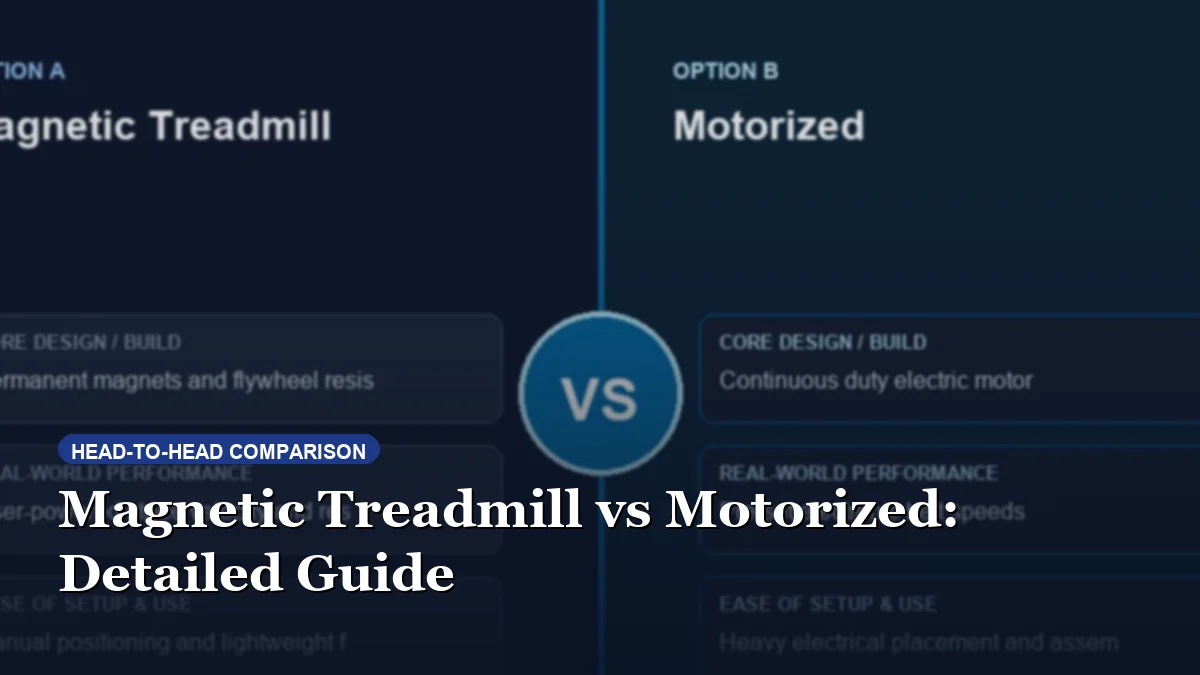
Choose the magnetic treadmill if you prioritize zero electricity consumption and self-powered speed control. Select the motorized treadmill for consistent belt velocity and structured interval training.
Compare all top models in our Best Treadmill: Top Home Fitness Picks (2026 Guide).
Side-by-Side Breakdown
| Criteria | Magnetic Treadmill | Motorized | Edge |
|---|---|---|---|
| Core Design / Build | Permanent magnets and flywheel resistance | Continuous duty electric motor | Motorized |
| Real-World Performance | User-powered stride velocity and resistance | Pre-set electronic belt speeds | Motorized |
| Ease of Setup & Use | Manual positioning and lightweight frame | Heavy electrical placement and assembly | Magnetic Treadmill |
| Durability & Reliability | Fewer electronic parts to fail | Complex motor and console electronics | Magnetic Treadmill |
| Efficiency / Operating Footprint | Zero electricity draw from wall outlets | Requires continuous AC or DC power | Magnetic Treadmill |
| Maintenance Requirements | Minimal lubrication and belt tensioning | Regular deck waxing and belt alignment | Magnetic Treadmill |
| Best Ideal Use Case | Walking, jogging, and off-grid spaces | Marathon training and high-speed running | Motorized |
Core Design and Engineering Differences
Internal engineering dictates how each machine functions under your feet during a workout. Magnetic resistance systems use opposing magnets to create friction-free tension against a heavy steel flywheel.
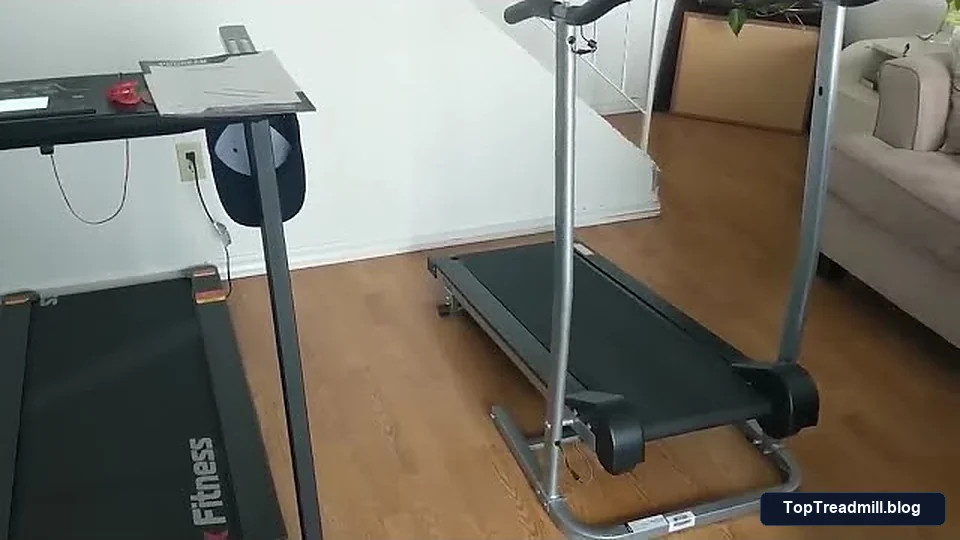
When reviewing models featured in our best home treadmill for running roundup, you will find these units rely on a continuous duty motor to drive the belt at precise speeds.
Understanding these mechanical foundations clarifies why operating experiences differ drastically between the two designs, influencing everything from joint impact to overall machine weight and portability.
- Flywheel weight determines momentum smoothness in manual models
- Horsepower ratings dictate sustained top speeds on electric decks
- Frame reinforcement varies based on expected user weight capacities
Flywheel Resistance Mechanics
Manual resistance units harness physical user momentum combined with adjustable magnetic fields. Moving the magnets closer to the flywheel increases pedaling or walking resistance instantly.
This mechanical layout eliminates the need for complex circuit boards, reducing internal heat generation and mechanical failure points common in traditional gym equipment.
- Adjustable tension levers change magnetic proximity directly
- Flywheels store rotational energy to smooth out strides
Electric Motor Specifications
Motorized variants depend on robust electrical components like PWM controllers and drive motors. These systems translate console inputs into steady belt movement for reliable training sessions.
Higher horsepower ratings prevent the belt from hesitating when heavy footstrikes hit the deck at steep inclines or high sprinting velocities.
- Continuous horsepower measures sustained output capabilities
- Peak horsepower indicates short burst capacity limits
Real-World Performance Comparison
Your running mechanics shift noticeably depending on whether you drive the belt or the motor pulls it. Self-powered movement forces your glutes and hamstrings to work harder during every stride.
Electric belts assist your leg turnover, allowing you to maintain high cadences without exerting extra force to accelerate the running surface from a dead stop.
Budget shoppers can consult our best treadmill for cheap options to find units that suit various cardiovascular goals while matching your primary workout style with solid engineering.
- Manual decks require active user propulsion for every step
- Motorized decks maintain uniform speeds for continuous endurance runs
- Stride naturalness varies based on flywheel inertia design
Pacing and Cadence Control
Maintaining a steady pace on a self-powered machine requires intense focus and consistent effort. Your legs dictate the belt speed, which naturally fluctuates during fatigue intervals.
Motorized systems enforce strict pacing guidelines, helping runners train for specific race targets by locking in exact miles per hour throughout long training blocks.
- User-driven pacing builds authentic outdoor running strength
- Electronic pacing eliminates unwanted speed drops during fatigue
Incline and Elevation Handling
Most non-motorized designs rely on manual incline legs that require you to dismount and adjust pins. This setup limits on-the-fly elevation changes during intense interval training.
Electric models feature motorized incline actuators that adjust deck angles smoothly via console buttons, enabling varied hill workouts without interrupting your rhythm.
- Manual pins offer simple, durable height adjustments
- Electronic lifts provide seamless hill simulation during runs
Maintenance, Efficiency, and Longevity
Long-term upkeep demands careful consideration when investing in home fitness equipment. Simplified maintenance schedules make passive models attractive for users who dislike tinkering with mechanics.
Electrical units require diligent lubrication, belt alignment checks, and dust removal from the motor compartment to prevent premature overheating and costly electrical failures.
Evaluating your willingness to perform routine upkeep ensures your chosen equipment remains safe, functional, and efficient over many years of regular home use.
- Frictionless magnets reduce mechanical wear over time
- Motor brushes and drive belts need periodic replacement
- Deck lubrication keeps running friction within safe limits
Component Wear and Tear
Fewer moving parts translate to fewer potential points of failure in magnetic configurations. The absence of drive belts and circuit boards protects your investment against electrical surges.
Electric machines endure high thermal loads, placing stress on internal capacitors and motor windings during extended running sessions at maximum capacity.
- Solid-state electronics are vulnerable to power spikes
- Flywheel bearings represent the primary wear point
Lubrication and Belt Care
When selecting a model from our best motorized under desk walking treadmill guide, remember that continuous lubrication is crucial for minimizing friction, protecting internal components, and preventing costly motor strain over time.
Magnetic units also benefit from clean belts, but their lower operating temperatures reduce the chemical breakdown rate of standard treadmill lubricants.
- Silicone oil prevents high friction heat buildup
- Belt tension bolts require occasional centering adjustments
Power Consumption and Operating Footprint
Utility costs and spatial limitations significantly influence daily usability in modern apartments and homes. Zero power consumption makes manual units exceptionally friendly for your monthly electric bill.
Plugging in an electric treadmill adds a dedicated heavy appliance load to your circuit, requiring proper grounding and careful placement away from moisture.
Assessing your available floor space and outlet proximity helps determine which model integrates seamlessly into your existing living environment.
- Manual models operate anywhere without wall outlets
- Motorized units draw significant power during peak loads
- Foldable frames save floor space in compact rooms
Electrical Grid Impact
Running a high-horsepower motor draws substantial amperage from your household circuit, especially during startup phases and heavy user footstrikes. Energy efficiency favors manual alternatives entirely.
Eco-conscious buyers appreciate that magnetic trainers generate 100 percent of their operational power through human kinetic energy transfer.
- Zero electricity usage lowers long-term ownership costs
- Dedicated circuits prevent tripped breakers during sprints
Spatial Ergonomics and Storage
Lightweight frames and transport wheels make manual machines easy to tilt, roll, and store upright in closets. Compact storage profiles suit smaller urban apartments exceptionally well.
Electric treadmills feature heavy steel decks and bulky motor hoods, making them cumbersome to move once assembled in a permanent room location.
- Vertical folding locks secure units safely against walls
- Heavy frames require two people for safe relocation
Training Intensity and Workout Versatility
Your specific fitness objectives dictate the range of workouts each machine can comfortably support. High-intensity intervals challenge manual decks, which respond instantly to changes in your foot speed.
Electric models provide structured programming, allowing you to follow preset speed profiles, heart rate zones, and virtual running courses on integrated HD touchscreens.
Matching your training style to the machine capabilities ensures you stay motivated and avoid plateauing in your overall cardiovascular conditioning journey.
- Preset programs guide structured endurance training sessions
- Self-powered designs excel at explosive sprint acceleration
- Console displays track metrics differently across models
Walking and Rehabilitation Focus
Low-impact walking and physical therapy routines thrive on stable, slow-moving belts. Controlled speeds on motorized units assist patients recovering from lower body injuries safely.
Manual belts can sometimes feel jerky at extremely low walking speeds due to flywheel momentum thresholds, making motorized decks superior for gentle rehab.
- Slow fractional speeds aid post-surgery walking recovery
- Steady belt velocities prevent accidental tripping hazards
Advanced Running and Sprinting
Curved manual treadmills offer exceptional platforms for athletic sprinting drills. Your explosive output instantly accelerates the belt without motor lag restrictions holding you back.
Traditional flat motorized treadmills have maximum speed limits dictated by controller limits, but they maintain those speeds effortlessly over long distances.
- Curved decks promote natural forefoot running form
- Motor limits restrict top-end acceleration for elite sprinters
Which Option Fits Your Setup
Selecting the ideal equipment involves balancing your fitness goals, room dimensions, and maintenance preferences. Practical space planning ensures your investment gets used consistently rather than collecting dust.
If you enjoy simple walking workouts, value quiet operation, and want freedom from electrical cords, a magnetic model provides an exceptionally reliable fitness solution.
For serious runners seeking marathon preparation, precise interval tracking, and automated incline climbs, a motorized treadmill remains the superior equipment choice.
- Assess your primary goals before selecting machine type
- Measure doorways and ceiling heights prior to delivery
- Consider household noise levels during early morning runs
Assessing Your Home Environment
Consider noise levels, flooring types, and available electrical outlets before making your final purchase. Apartment living often demands quieter operation to avoid disturbing downstairs neighbors.
Magnetic units operate relatively quietly because there is no motor humming, though footstep noise still occurs on any unpadded exercise surface.
- Rubber exercise mats protect floors from heavy vibrations
- Quiet operation benefits shared multi-person households
Making the Final Selection
Weigh the importance of automated features against the simplicity of self-powered training. Long-term satisfaction depends entirely on matching machine mechanics to your daily habits.
Before making a final purchase, explore our best treadmill recommendations to carefully evaluate warranty terms, frame construction quality, and weight limits to safeguard your home fitness equipment investment.
- Comprehensive warranties protect critical moving parts
- Frame sturdiness ensures safe workouts for heavier users
Frequently Asked Questions
Do magnetic treadmills require any electricity to function?
No, these units are entirely self-powered by your own movement. They utilize permanent magnets to generate adjustable resistance without plugging into a wall.
Can you run at high speeds on a manual magnetic treadmill?
Yes, you dictate the speed entirely through your own leg drive. However, maintaining high velocities requires significant physical effort compared to motorized belts.
Which treadmill type is better for running injury rehabilitation?
Motorized models are generally better for rehab due to steady speeds. They offer consistent belt velocity which helps patients maintain a safe, measured walking cadence.
How often do motorized treadmills need professional maintenance?
Most routine tasks like deck lubrication can be done yourself. Performing monthly belt checks prevents premature motor strain and extends machine lifespan.
Are magnetic treadmills quieter than traditional electric treadmills?
Yes, they lack a motorized drive system that produces humming noises. The only sound comes from footstrike impact and internal flywheel rotation.