Folding Treadmill vs Non Folding Treadmill: Engineering and Performance
Choosing between a folding deck and a rigid non-folding frame impacts structural stability and room utilization. Evaluate your training intensity and home layout carefully.

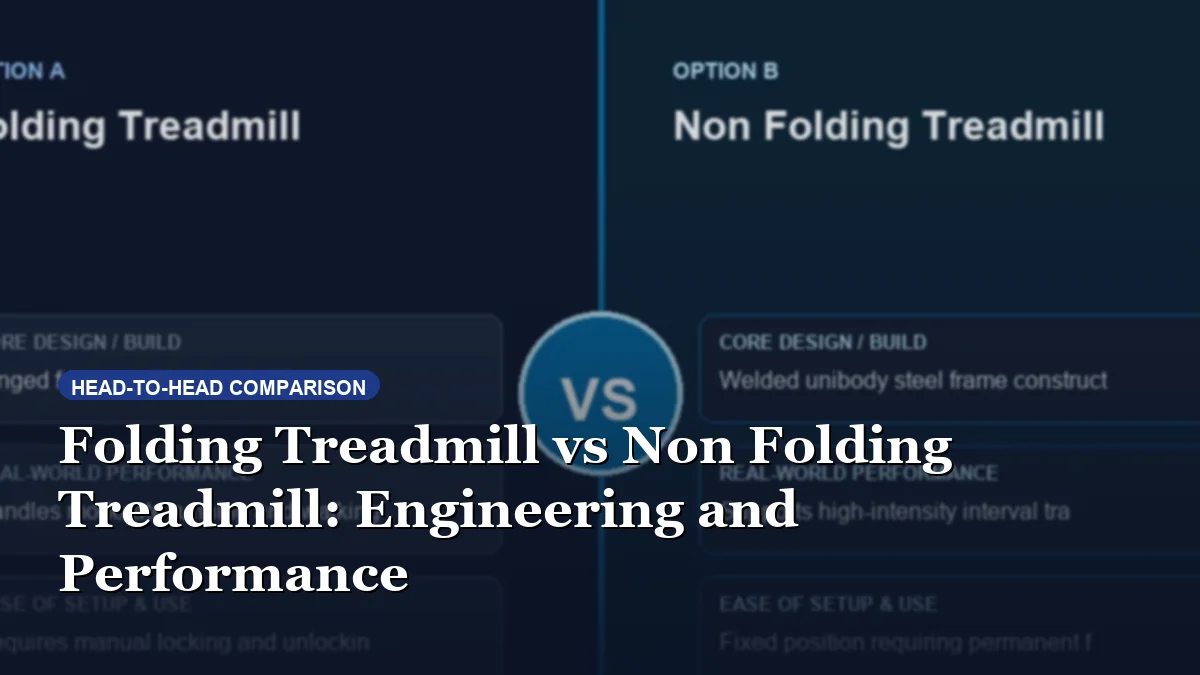
Choose the folding treadmill for multi-purpose rooms requiring space-saving storage, but select the non-folding treadmill if you need absolute commercial-grade frame rigidity during heavy sprints.
Compare all top models in our Best Treadmill: Top Home Fitness Picks (2026 Guide).
Side-by-Side Breakdown
| Criteria | Folding Treadmill | Non Folding Treadmill | Edge |
|---|---|---|---|
| Core Design / Build | Hinged frame with hydraulic lift assist | Welded unibody steel frame construction | Non Folding Treadmill |
| Real-World Performance | Handles moderate running and walking speeds | Supports high-intensity interval training and sprinting | Non Folding Treadmill |
| Ease of Setup & Use | Requires manual locking and unlocking mechanisms | Fixed position requiring permanent floor space | Folding Treadmill |
| Durability & Reliability | More moving joints subject to mechanical wear | Fewer structural points of failure over time | Non Folding Treadmill |
| Efficiency / Operating Footprint | Retractable deck reduces floor space footprint | Permanent footprint consumes dedicated exercise area | Folding Treadmill |
| Maintenance Requirements | Regular hydraulic strut and hinge inspection needed | Standard belt alignment and lubrication schedules | Non Folding Treadmill |
| Best Ideal Use Case | Multi-use residential spaces and moderate runners | Dedicated home gyms and heavy endurance athletes | Non Folding Treadmill |
Core Design and Engineering Differences
Mechanical engineering separates these two major equipment categories right at the primary chassis level. Folding models integrate complex hinge mechanisms, locking pins, and hydraulic cylinders to allow vertical deck storage.
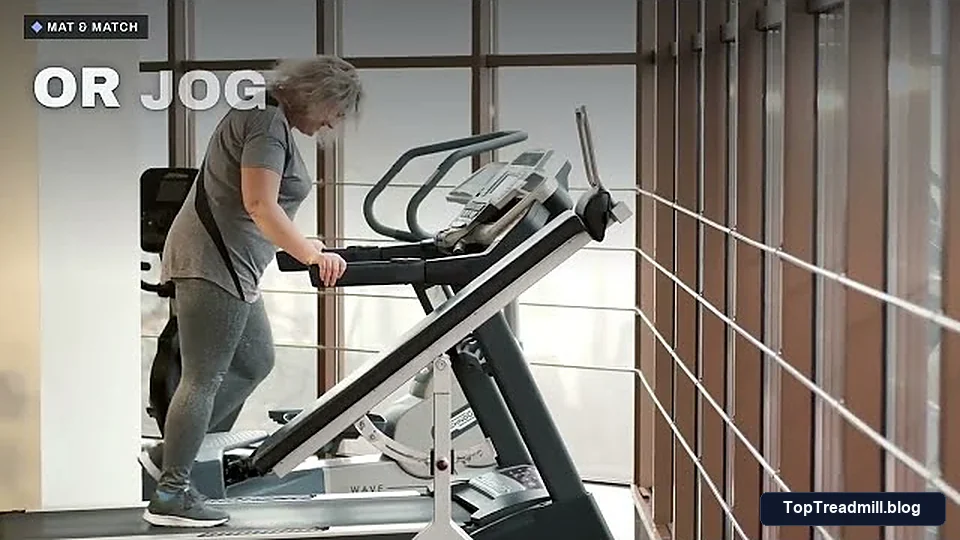
Non-folding units utilize welded steel frames engineered for permanent installation, a design philosophy you can explore via our best folding treadmill for running alternatives if you need storage flexibility.
Folding models rely on heavy-duty hydraulic pistons and pivot hinges to safely articulate the deck upwards. This complex joint mechanism requires precise steel tolerances to prevent dangerous wobbling during high-speed running sessions.
Non-folding platforms utilize a continuous welded frame consisting of heavy-gauge structural steel tubing. Eliminating mechanical hinge joints removes potential structural weak points, maximizing overall load capacity for aggressive interval training.
- Hydraulic lift assists manage folding deck weight safely.
- Welded steel unibody frames eliminate structural hinge points.
- Hinged pivot joints require robust locking safety pins.
Chassis Metallurgy and Fabrication
Heavy-gauge steel tubing forms the backbone of both designs, but folding variants require localized reinforcement around pivot points. Engineers add gussets to prevent flex near the console uprights.
Rigid frames distribute heavy downward impact forces evenly across welded floor stabilizers. This manufacturing approach minimizes chassis twist during high-torque incline transitions and aggressive footstrikes.
- Reinforced gussets strengthen folding mechanism pivot zones.
- Continuous welds maximize structural integrity on rigid frames.
Structural Integrity and Frame Rigidity
Running dynamics depend heavily on frame rigidity to maintain consistent belt tracking and deck stability. Folding models often exhibit slight micro-flexes near the midsection due to the physical break in the chassis.
Rigid non-folding platforms provide uncompromised stability even under heavy runners. The absence of mechanical joints ensures zero structural deflection, closely mimicking commercial club equipment performance standards.
Frame deflection directly impacts long-term mechanical durability under heavy foot strikes. Non-folding units maintain superior torsional stiffness because their uninterrupted side rails distribute kinetic energy evenly across the entire floor contact area.
Folding frames introduce microscopic flex points near the midsection console uprights. Manufacturers counteract this with gusseted reinforcement plates, though aggressive runners may still notice slight deck oscillation during maximal incline sprints.
- Micro-flex can occur near folding hinge junctions.
- Rigid frames eliminate chassis play entirely.
- Heavy runners benefit from rock-solid unibody stability.
Impact Force Dissipation
Every footstrike generates kinetic energy that must travel through the deck, frame, and floor. Folding joints absorb and disperse some of this energy, which can accelerate wear on internal locking components over time.
Non-folding frames channel impact energy directly into massive steel stabilizers and adjustable floor levelers. This direct transmission protects electronic components from excessive vibration shock.
- Kinetic energy travels through joints on folding decks.
- Steel stabilizers absorb shock on rigid equipment.
Real-World Performance and Motor Integration
Motor placement and drive system housing must accommodate the folding hinge geometry in space-saving designs. This occasionally limits maximum horsepower output or continuous-duty motor sizing within the console shroud.
Non-folding variants offer expansive motor compartments capable of housing large continuous-duty drive motors and heavy flywheels. These robust systems maintain speed consistency under heavy loads without thermal throttling.
Continuous duty horsepower ratings dictate how smoothly a motor responds to sudden load changes. Non-folding units frequently house larger cooling fans and heavier flywheels to maintain stable belt speeds during prolonged endurance efforts.
When reviewing options within our best folding treadmill guide, remember that compact cowlings restrict airflow, necessitating thermal overload sensors to prevent premature motor burnout under heavy users.
- Motor shrouds must accommodate folding clearance angles.
- Large continuous-duty motors fit easily in rigid frames.
- Heavy flywheels ensure smooth speed transitions during sprints.
Incline Motor Torque Dynamics
Incline mechanisms on folding units must lift both the running deck and the pivot assembly. This requires calibrated actuator torque to ensure smooth elevation changes under user weight.
Rigid frames decouple elevation mechanics from folding geometry, allowing heavy-duty incline motors to operate with maximum mechanical advantage and minimal strain on internal gears.
- Actuators must lift both deck and pivot assemblies.
- Dedicated elevation mechanics reduce gear wear rates.
Setup, Mobility, and Space Utilization
Floor space management remains the primary advantage featured throughout our best folding treadmill recommendations, where transport wheels and hydraulic assist systems allow vertical deck storage.
Non-folding equipment demands a permanent footprint within your living space. Moving these massive units requires multiple people and careful consideration of doorway clearances and flooring protection.
Transport wheels and gas-shock assist mechanisms allow homeowners to pivot the deck into a vertical storage footprint. This vertical orientation significantly reduces the floor space footprint, making folding units ideal for multi-use rooms.
Non-folding equipment demands a permanent dedicated workout area due to its sheer weight and immobility. Moving these massive machines requires at least two people and specialized lifting equipment to prevent structural damage.
- Vertical storage reduces floor footprint significantly.
- Transport wheels aid in repositioning folding frames.
- Permanent installation requires dedicated workout room layouts.
Transport and Relocation Logistics
Relocating a heavy folding treadmill involves releasing safety latches and tilting the unit onto integrated transport wheels. The balanced weight distribution makes repositioning manageable for solo homeowners.
Rigid non-folding machines lack dedicated transport pivot points in many configurations. Shifting these heavy units often requires specialized furniture movers or complete disassembly.
- Integrated transport wheels simplify solo repositioning.
- Rigid frames demand careful lifting and floor protection.
Maintenance Protocols and Longevity Factors
Mechanical complexity introduces additional maintenance tasks for folding treadmills. Users must periodically inspect locking pins, hydraulic cylinders, and hinge bolts to ensure safe operation over years of use.
Non-folding machines streamline long-term upkeep by eliminating moving structural joints. Routine care focuses strictly on traditional belt lubrication, deck waxing, and dust removal from the motor compartment.
Lubrication schedules differ significantly based on deck design and ventilation clearances. Folding models require frequent checks around the folding axis pivots, ensuring dry lubricant does not build up within mechanical locking pins.
Non-folding machines offer easier access to internal drive belts and elevation motors. Technicians can quickly inspect electronic sensor wiring without navigating awkward hinge brackets or compressed plastic shrouds during routine servicing.
- Hydraulic struts require periodic visual and functional checks.
- Hinge bolts demand routine tightening to prevent squeaks.
- Standard belt lubrication remains essential for both designs.
Component Wear and Tear Analysis
Constant folding and unfolding actions put mechanical stress on internal wiring harnesses routed through the hinge pivot. Protecting these cables prevents electrical failure in the console display.
Rigid frames secure internal wiring safely inside protected steel channels. This prevents pinching or stretching during intense workouts, contributing to extended component life spans.
- Hinged wiring harnesses require strain relief protection.
- Internal channels safeguard electrical cables on rigid frames.
Vibration Dampening and Acoustic Profiles
Acoustic performance during operation depends heavily on frame construction and material density. Folding mechanisms can occasionally develop minor rattles or squeaks as hinge components settle under load.
Rigid unibody frames dampen operational noise more effectively due to their continuous welded mass. This solid construction produces a quieter acoustic profile during high-speed running workouts.
Acoustic resonance varies wildly depending on how kinetic energy transfers into subflooring materials. Non-folding frames absorb impact shock efficiently through thick rubber isolators, resulting in a quieter, more solid acoustic profile overall.
Folding mechanisms can sometimes rattle if locking latches lose their factory tension over time. Adding anti-vibration mats beneath the folding deck base helps mitigate high-frequency mechanical hums transmitted through wooden floor joists.
- Hinge settling can cause minor operational rattles.
- Welded unibody structures minimize acoustic resonance.
- Heavy mass dampens high-speed running footfall noise.
Floor Resonance and Sound Transmission
Transmitted vibrations can travel through apartment floors and disturb neighbors below. Folding models with lighter frames may require specialized rubber equipment mats to absorb high-frequency impacts.
Heavy non-folding frames anchor securely to floor surfaces, naturally dispersing impact shock across a wider area to minimize structural resonance through residential subfloors.
- Rubber mats help mitigate apartment floor vibrations.
- Massive frame weight absorbs high-frequency impact shock.
Deciding Your Ideal Home Gym Configuration
Selecting the correct machine requires balancing your available square footage against your specific training intensity goals. Casual walkers and joggers benefit immensely from space-saving convenience features.
Serious runners and heavy-duty households should consult our best non folding treadmill guide to discover rigid platforms designed for maximum structural integrity and vibration absorption.
Selecting the right platform depends entirely on your primary training goals and available square footage. Serious marathon runners benefit immensely from the uncompromising stability found exclusively within heavy non-folding commercial-grade structural configurations.
Casual walkers and recreational joggers will find that modern folding options deliver ample performance. Prioritize a robust locking mechanism and adequate horsepower if you plan to fold the deck away frequently.
- Match equipment selection to your daily training intensity.
- Evaluate room dimensions and storage requirements carefully.
- Prioritize structural stability for heavy endurance running.
Matching Equipment to User Demographics
Multi-purpose rooms in apartments or small homes thrive with folding machinery. They vanish when not in use, preserving your daily living space aesthetics.
Dedicated basement or garage gyms accommodate non-folding frames without compromise. These spaces support permanent setups designed for rigorous, daily athletic training.
- Small apartments benefit from retractable storage designs.
- Dedicated gyms maximize utility with rigid heavy equipment.
Frequently Asked Questions
Do folding treadmills break down more often than non-folding models?
Folding treadmills feature additional moving hinge points and hydraulic struts that require occasional maintenance. However, routine inspection ensures reliable long-term performance matching rigid alternatives.
Can heavy runners safely use folding treadmills for sprint workouts?
Most folding treadmills handle moderate running speeds wonderfully, but heavy sprinters may notice slight deck flex. Serious high-intensity athletes often prefer the absolute rigidity of non-folding frames.
How much floor space do folding treadmills actually save when stored?
Vertical folding designs typically reduce the machine footprint by roughly half when stowed upright. This reclamation makes them ideal for multi-purpose rooms and shared living spaces.
Are non-folding treadmills harder to assemble and move around the house?
Non-folding units feature massive welded steel frames that demand careful planning during delivery. Relocating them usually requires multiple people and careful navigation through tight doorways.
Which treadmill type offers a quieter overall running experience?
Rigid non-folding frames generally produce less operational noise and vibration during intense use. Their continuous welded mass effectively dampens footfall acoustics compared to hinged designs.