F80 vs F85: Technical Treadmill Showdown
Compare core engineering, structural framing, and motor specifications. Discover which robust folding treadmill suits your home training regimen.

Choose the F80 for a dependable folding platform with a robust 3.5 CHP motor. Opt for the F85 if you require a heavier frame and a stronger 4.0 CHP drive system.
Compare all top models in our Best Treadmill: Top Home Fitness Picks (2026 Guide).
Side-by-Side Breakdown
| Criteria | F80 | F85 | Edge |
|---|---|---|---|
| Core Design / Build | Heavy steel folding frame | Reinforced heavy-mass chassis | F85 |
| Real-World Performance | 3.5 CHP continuous duty motor | 4.0 CHP high-torque motor | F85 |
| Ease of Setup & Use | Standard hydraulic folding deck | Advanced heavy-duty folding deck | F80 |
| Durability & Reliability | Commercial-grade roller bearings | Oversized rollers and heavy steel | F85 |
| Efficiency / Operating Footprint | Standard household 15A circuit | Dedicated 15A circuit recommended | F80 |
| Maintenance Requirements | Semi-annual belt lubrication | Semi-annual belt lubrication | Tie |
| Best Ideal Use Case | Regular distance running | Heavy multi-user training | F85 |
Core Design and Engineering Differences
Selecting the right folding treadmill requires examining foundational structural components. The F80 utilizes a heavy-gauge steel frame designed to resist flexing during intense interval workouts and long-distance running sessions.
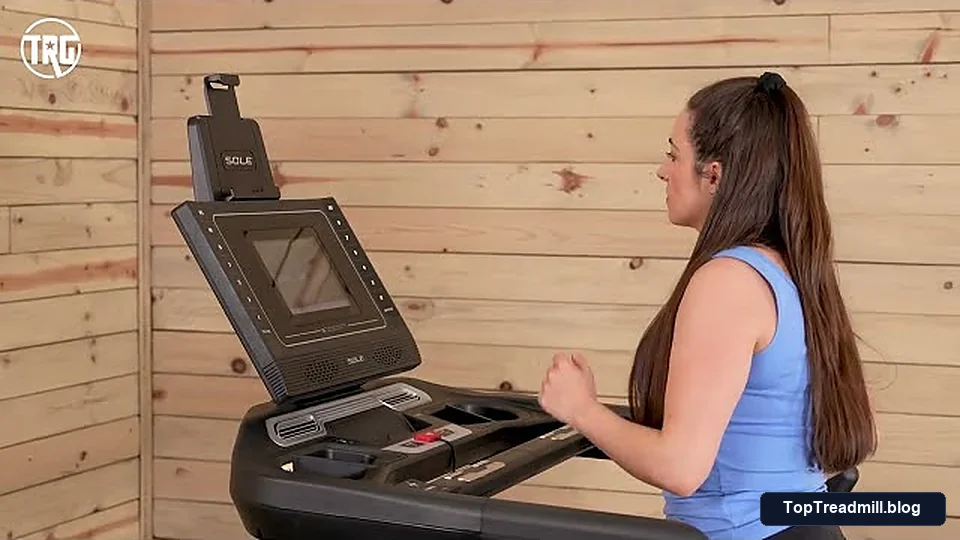
Stepping up to the alternative model introduces increased steel mass. As highlighted in our sole fitness f85 treadmill review, the F85 incorporates a heavier chassis design that elevates overall weight capacity.
Engineering tolerances determine how well these folding frames lock into place. Both machines employ dual-locking hydraulic cylinders to ensure stability while minimizing wobble during heavy foot strikes.
When evaluating the foundational engineering, both frames utilize heavy-gauge welded steel, but the F85 chassis incorporates thicker upright supports to manage higher user capacities and rigorous daily training routines effectively.
Roller diameters differ noticeably between these two models, with the F85 featuring larger rollers that reduce belt friction, lower operational temperatures, and extend the overall lifespan of both the running belt and internal bearings.
Electrical architecture also separates the units, as the F85 utilizes a more robust circuit breaker and heavy-duty wiring harness designed to handle sustained peak electrical draws without thermal degradation during intense interval sessions.
- Heavy-gauge steel provides robust structural integrity across both builds.
- Chassis weight directly affects floor vibration dampening and lateral stability.
- Hydraulic lifts assist safe deck storage when folding the unit.
Frame Geometry and Weight Capacities
Frame geometry dictates how force disperses across the underlying floorboards. Both units feature folding designs, but the heavier option provides superior resistance against lateral shifting during aggressive sprinting phases.
Maximum user weight ratings reflect these structural adjustments clearly. Engineers rated the heavier chassis for higher loads, making it suitable for multi-user households with diverse training profiles.
- Weight limits vary slightly depending on frame reinforcement.
- Structural mass controls lateral sway during hard foot strikes.
Real-World Motor and Deck Performance
Motor output dictates how smoothly a treadmill handles rapid speed changes. As detailed in our comprehensive f80 treadmill review, the F80 features a capable continuous duty motor maintaining consistent belt velocity.
Upgrading to the higher-tier option delivers enhanced mechanical torque. The F85 utilizes a larger motor designed to reduce thermal buildup during extended endurance runs and steep incline climbing sessions.
Roller dimensions also influence overall drive train efficiency and belt longevity. Precision-machined rollers on both units ensure proper belt tracking and minimize friction across the running surface.
Continuous horsepower ratings dictate sustained performance, where the F85 motor upgrade delivers enhanced torque at lower speeds, preventing hesitation or belt stutter when heavy runners strike the deck during steep incline climbs.
Deck thickness impacts deflection and stability, with the F85 utilizing a phenolic-coated reversible deck engineered to withstand high-impact pounding while maintaining structural rigidity across multi-year training cycles without developing dangerous soft spots.
Incline and decline transition speeds rely heavily on actuator build quality, and both machines feature smooth elevation changes, though the heavier duty motor on the F85 maintains speed stability better under maximum loads.
- Continuous horsepower ratings determine sustained running speeds.
- Thermal management prevents premature motor burnout during long workouts.
- Precision-machined rollers reduce belt friction and wear.
Incline Mechanics and Load Handling
Incline motors must lift the entire user weight while maintaining smooth articulation. Both treadmills offer generous elevation ranges driven by responsive linear actuators built for reliability.
Under heavy loads, the higher horsepower system adjusts elevation with less audible strain. This mechanical advantage benefits runners focusing on hill simulation and vertical training.
- Linear actuators control smooth deck elevation changes.
- High horsepower motors manage steep inclines effortlessly.
Structural Stability and Footprint
Home gym layout planning requires careful measurement of floor space. While both treadmills share similar running deck dimensions, the overall chassis footprint reflects their differing weight classes.
The F85 demands slightly more clearance due to its heavier base stabilizers. These extended stabilizers prevent tipping and absorb tremendous impact forces during maximum-effort sprinting intervals.
Folding mechanisms allow both units to reclaim floor space when idle. Gas shock cylinders control the descent speed, preventing accidental dropping when unfolding the running deck.
Overall machine weight directly influences frame stability, with the F85 weighing significantly more to eliminate lateral swaying, vibrations, and frame flexing during aggressive sprinting or heavy running strides at top speeds.
Footprint dimensions remain relatively similar for storage convenience, but the broader stance and wider frame base on the F85 provide superior structural anchoring on uneven residential flooring surfaces during intensive workouts.
Folding mechanisms utilize hydraulic safety assists on both models, allowing users to secure the deck safely into an upright storage position without risking accidental drops or straining lower back muscles during transport.
- Base stabilizer bars dictate the exact footprint dimensions.
- Gas shock cylinders ensure safe, hands-free deck lowering.
- Floor clearance requirements remain similar across both models.
Floor Protection and Vibration Dampening
Heavy fitness equipment requires proper flooring protection to prevent indentations. Utilizing a high-density rubber mat under either machine helps isolate vibrations and protects hardwood flooring.
The increased structural mass of the premium option naturally dampens noise transmission. This acoustic reduction makes it preferable for multi-story residential settings and apartments.
- High-density mats protect delicate flooring surfaces.
- Chassis mass absorbs high-frequency impact vibrations.
Console Interface and Display Technology
User interfaces provide crucial feedback during demanding cardio sessions. The F80 features a clear, brightly lit console that displays speed, time, distance, and heart rate metrics simultaneously.
Advanced configurations on the higher-end model incorporate upgraded touchscreen capabilities. The F85 console offers enhanced data visualization and streaming integration for immersive workout tracking.
Ergonomic button placement allows quick adjustments without breaking stride. Integrated safety tether keys ensure immediate power cutoff if a runner trips or falls backward.
Visual feedback systems vary significantly, as the F85 boasts a larger high-definition touchscreen display that provides immersive workout metrics, clearer program tracking, and enhanced entertainment integration compared to standard LCD screens.
Data visibility remains critical during fast runs, and the backlit LCD panels on the standard model offer exceptional contrast, ensuring metrics like speed, incline, and elapsed time stay clearly legible under bright lighting.
Connectivity options across both consoles support modern fitness applications, Bluetooth heart rate monitoring straps, and device mirroring, ensuring users can sync their preferred training software seamlessly without encountering synchronization errors.
- Console feedback displays essential real-time metrics.
- Integrated safety tethers provide immediate emergency motor braking.
- Ergonomic quick-touch buttons adjust speed and incline instantly.
Connectivity and Workout Programs
Modern fitness equipment relies on robust software ecosystems for engagement. Both consoles support Bluetooth connectivity for syncing workout data with popular third-party fitness applications.
Pre-programmed routines cater to diverse goals ranging from fat burn to cardiovascular endurance. Users can also design custom interval profiles tailored to specific training phases.
- Bluetooth syncing connects third-party training apps.
- Custom profile creation supports specialized interval regimens.
Maintenance, Efficiency, and Longevity
Routine maintenance preserves mechanical integrity and extends component lifespan significantly. Both treadmills require periodic belt lubrication and tension checks to prevent premature deck wear.
The F80 operates efficiently on standard household electrical circuits without demanding special wiring modifications. According to our sole fitness f80 review, its robust engineering minimizes routine upkeep demands for daily runners.
Heavy-duty components on the premium model translate to exceptional long-term durability. Commercial-grade bearings and thicker running belts handle high-mileage training schedules with minimal degradation.
Routine upkeep dictates long-term durability, and both treadmills feature low-maintenance running belts that require periodic silicone lubrication to minimize friction and prevent premature wear along the walking surface edges.
Electrical efficiency varies under load, with the heavier continuous duty motor on the F85 drawing slightly more baseline amperage while maintaining cooler operating temperatures during prolonged endurance running sessions.
Component accessibility under the motor hood is straightforward, allowing technicians or owners to clean dust accumulation from the flywheel, inspect brushes, and tension drive belts without specialized commercial tools.
- Periodic lubrication prevents excessive friction beneath the belt.
- Standard electrical requirements simplify home installation.
- Commercial-grade bearings maximize long-term mechanical reliability.
Electrical Demands and Power Efficiency
Electrical load requirements dictate proper outlet placement in your workout space. Both machines plug into standard household wall outlets while managing peak power demands during acceleration.
Energy-saving standby modes reduce idle power consumption when the console is inactive. Proper surge protection safeguards sensitive internal control boards from power fluctuations.
- Standard wall outlets power both drive systems.
- Surge protectors safeguard internal electronic control boards.
Ergonomics, Cushioning, and Joint Impact
Joint protection remains a primary consideration for distance runners and recovering athletes. Both models utilize specialized cushion deck systems designed to absorb impact shock effectively.
The F80 reduces joint stress by absorbing a significant percentage of foot strike energy. This cushioning minimizes cumulative fatigue during long training sessions.
Heavier framing on the alternative model provides a firmer, highly stable deck response. Runners who prefer traditional road-like feedback will appreciate this engineered rigidity.
Impact reduction technology protects lower body joints, utilizing cushioning flex deck systems that absorb up to forty percent more shock than traditional asphalt running surfaces to reduce runner fatigue.
Deck firmness feels slightly different due to frame mass, with the F85 offering a slightly firmer plant feel that appeals to experienced runners seeking a road-like response without excessive springiness.
Handrail placement and integrated pulse sensors accommodate various user heights comfortably, ensuring proper biomechanical posture whether walking at a slow pace or sprinting at maximum velocity.
- Cushion deck systems absorb high-impact running forces.
- Reduced joint stress prevents repetitive strain injuries.
- Engineered rigidity mimics authentic road running conditions.
Running Deck Dimensions and Stride Freedom
Generous belt dimensions accommodate runners of all heights comfortably. Both treadmills provide ample running surface length and width for natural stride extension.
Side rails offer secure footing when stepping off the moving belt during interval recovery periods. Textured rail edges prevent accidental slips during high-speed transitions.
- Ample belt dimensions support tall running strides.
- Textured side rails ensure safe foot placement.
Which Option Fits Your Setup
Determining the ideal machine depends on your specific training intensity and household needs. As noted in our detailed f85 treadmill review, the F80 delivers exceptional value and reliable performance.
Selecting the F85 makes sense for households featuring multiple serious runners or users requiring maximum stability. Its upgraded motor and heavier frame justify the investment.
Evaluating your available space, budget, and training frequency ensures you choose the optimal machine for your long-term fitness journey.
Selecting the ideal model depends on primary training goals, where casual walkers and light joggers will find the base configuration specs more than adequate for daily fitness routines without overspending.
Serious runners, marathon trainers, and multi-user households should prioritize the heavy-duty F85 build to ensure long-term durability, superior stability, and reliable performance under high-frequency, high-intensity training schedules.
Assessing available floor space and electrical circuit capacities ensures your chosen treadmill operates safely within your home gym environment without tripping breakers or causing spatial crowding issues.
- Training frequency dictates your required mechanical durability.
- Household user count influences weight capacity needs.
- Available floor space guides final model selection.
Final Purchasing Considerations
Investing in home fitness equipment requires careful balancing of technical features and budget constraints. Prioritize the core motor and frame specifications that match your workout goals.
Reviewing warranty coverage provides additional peace of mind regarding structural and electronic longevity. Both machines offer robust manufacturer guarantees reflecting their build quality.
- Warranty coverage protects frame and motor investments.
- Core specifications should match your daily training habits.
Frequently Asked Questions
What is the main motor difference between these two models?
The F80 features a reliable 3.5 continuous horsepower motor, while the alternative model upgrades to a stronger 4.0 horsepower drive system for high-torque performance.
Do both treadmills feature folding decks for home storage?
Yes, both machines utilize hydraulic folding mechanisms equipped with safety locking cylinders to secure the running deck in an upright position safely.
Which treadmill offers better joint protection and cushioning?
Both units incorporate advanced cushion deck technology that absorbs impact shock, effectively reducing repetitive joint stress during long-distance running workouts.
Do I need a special electrical outlet for these treadmills?
No special wiring is required because both units plug directly into standard household electrical outlets while managing peak power demands efficiently.
Which model is better suited for multi-user households?
The heavier frame and stronger motor make the F85 ideal for busy households featuring multiple runners with diverse training schedules.