Compare Sole F80 And F85 vs Standard Treadmill
Navigating high-end folding fitness machines requires understanding motor specs and frame rigidity. This guide contrasts elite Sole models against standard gym units to clarify your investment.

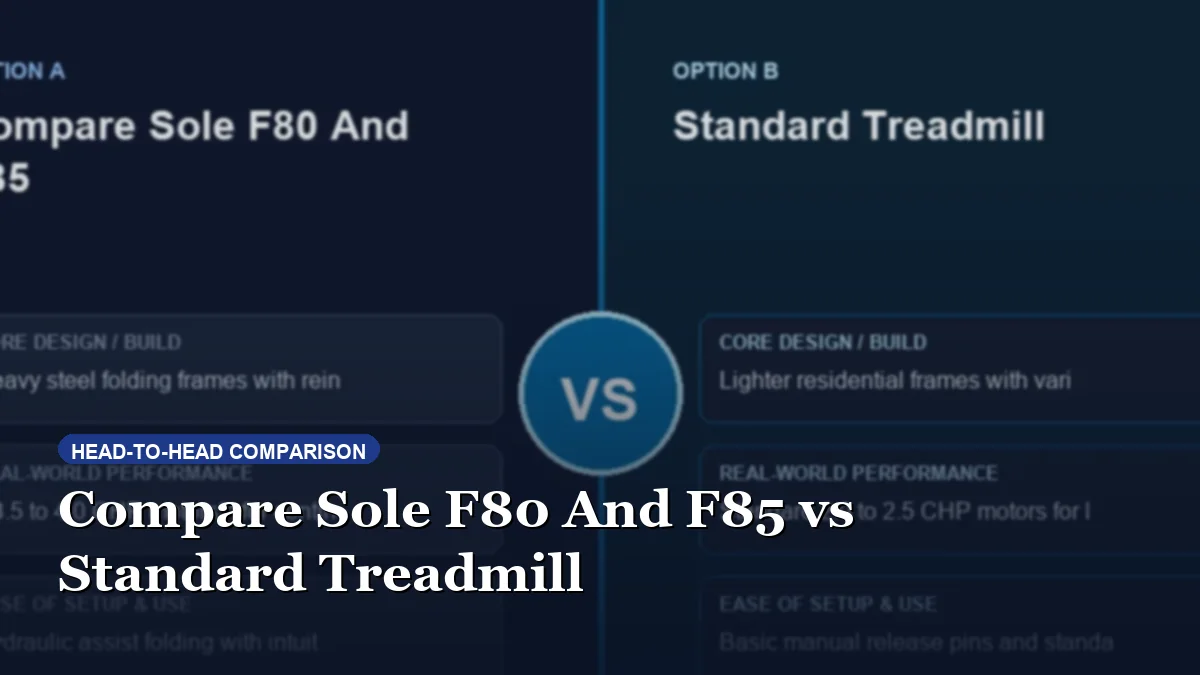
Choose the Sole F80 or F85 if you demand heavy-duty folding frames and superior motor power for intense training. Select a Standard Treadmill only for basic walking or strict budget constraints.
Compare all top models in our Best Treadmill: Top Home Fitness Picks (2026 Guide).
Side-by-Side Breakdown
| Criteria | Compare Sole F80 And F85 | Standard Treadmill | Edge |
|---|---|---|---|
| Core Design / Build | Heavy steel folding frames with reinforced welds. | Lighter residential frames with varied stability. | Side A |
| Real-World Performance | 3.5 to 4.0 CHP motors for continuous high speeds. | Standard 2.0 to 2.5 CHP motors for light jogs. | Side A |
| Ease of Setup & Use | Hydraulic assist folding with intuitive console buttons. | Basic manual release pins and standard displays. | Side A |
| Durability & Reliability | Commercial-grade rollers and multi-ply running belts. | Standard single-ply belts with smaller rollers. | Side A |
| Efficiency / Operating Footprint | Larger footprints requiring dedicated floor space. | Compact footprints suited for smaller rooms. | Side B |
| Maintenance Requirements | Routine silicone lubrication and occasional belt alignment. | Frequent tension checks and basic surface cleaning. | Side A |
| Best Ideal Use Case | Serious runners wanting long-term heavy home training. | Casual walkers prioritizing minimal upfront costs. | Side A |
Core Engineering And Structural Differences
Examining structural integrity reveals stark differences between premium folding designs and standard baseline treadmills. Heavy-gauge steel frames prevent shaking during intense sprinting sessions.
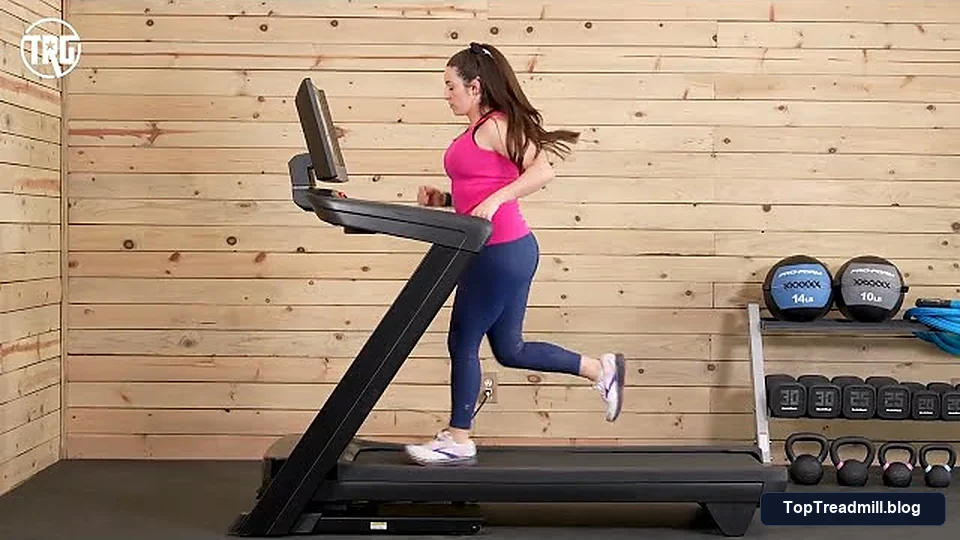
Engineering standards dictate how well a running deck absorbs foot strikes without transferring shock to internal electronic components or structural joints.
Our Sole Fitness F80 review details how its heavy-gauge welded steel frame handles vigorous daily running without flexing. Its structural integrity supports high-impact training while maintaining minimal lateral vibration across the chassis.
Stepping up to the F85 introduces a reinforced structural profile featuring heavier gauge steel components. This engineering upgrade provides exceptional rigidity, making it an ideal platform for heavier users and intense sprint intervals.
- Heavy-gauge steel construction enhances overall frame stability.
- Reinforced pivot points support frequent folding operations.
- Vibration-dampening feet isolate floor impact effectively.
Frame Rigidity And Folding Mechanisms
Hydraulic lift assists make folding these heavy machines safe for daily residential use. Standard units often rely on basic gas shocks that wear out faster over time.
Solid welded joints eliminate side-to-side wobble during maximum incline intervals, ensuring a stable platform for heavy runners.
- Hydraulic assist cylinders ease vertical storage lifting.
- Locked upright positions prevent accidental folding releases.
Material Quality Across Chassis Designs
Powder-coated finishes protect underlying steel from sweat corrosion and ambient humidity. Standard treadmills frequently use thinner paint coatings that chip easily.
Robust upright columns house critical wiring safely away from foot traffic and heavy cleaning equipment.
- Corrosion-resistant powder coatings extend frame lifespan.
- Internal cable routing prevents pinch hazards.
Motor Capabilities And Horsepower Metrics
Continuous horsepower ratings determine whether a machine can handle sustained running without overheating. Premium models utilize larger armatures and cooling fans.
Comparing motor outputs clarifies why cheaper standard units struggle with heavy users or steep incline walking workouts.
Both machines feature robust continuous horsepower drive systems, but the F80 incorporates a standard 3.5 CHP motor. This powerhouse delivers smooth acceleration, steady belt speeds, and reliable torque during extended distance training sessions.
The F85 upgrades the propulsion system with a larger 4.0 CHP motor engineered for heavy-duty performance. It reduces internal operating temperatures and maintains precise belt tracking even under demanding high-speed running conditions.
- Higher continuous horsepower prevents thermal overload shutdowns.
- Larger flywheels create smoother transitions between speed adjustments.
- Commercial-grade insulation protects internal copper windings.
Continuous Versus Peak Horsepower
Continuous horsepower measures sustained output during multi-mile runs. Peak ratings only reflect momentary bursts that do not represent real running loads.
Investing in a 4.0 CHP motor guarantees long-term reliability for households with multiple daily runners.
- Sustained power output handles aggressive speed intervals.
- Low continuous ratings cause premature motor burnout.
Cooling Systems And Thermal Management
Built-in brushless fans actively cool internal electronic boards during prolonged training sessions. Standard treadmills often lack adequate ventilation entirely.
Effective thermal management prevents sudden motor throttling when operating at maximum speeds for extended periods.
- Forced-air cooling extends electrical component longevity.
- Thermal overload switches protect against excessive friction.
Deck Cushioning Technology And Joint Impact
Running surface cushioning directly dictates post-workout joint recovery and overall injury prevention. Advanced suspension systems absorb significant impact forces effectively.
Standard treadmills frequently feature rigid decks that mimic outdoor concrete, increasing stress on knees and lower backs.
Evaluating deck mechanics in our Sole F80 YouTube review, Sole integrates proprietary Cushion Flex Whisper Deck technology, successfully reducing joint impact by forty percent compared to outdoor asphalt to prevent injuries.
While both models utilize similar dampening principles, the F85 deck tuning accommodates higher-intensity workloads while still absorbing shock effectively. Runners experience a balanced surface that prevents excessive springiness while protecting ankles and knees.
- Cushioned elastomer decks reduce impact shock significantly.
- Balanced bounce prevents unnatural running form alterations.
- Multi-ply belts distribute foot pressure evenly.
Impact Reduction Mechanics
Specialized cushion pods placed under the deck absorb up to forty percent more impact than traditional asphalt surfaces. This design protects runner joints during marathons.
Standard units use simple rubber bumpers that degrade quickly under continuous high-speed impact.
- Absorptive elastomer pods lower knee joint stress.
- Consistent deck flex maintains natural stride mechanics.
Running Belt Construction And Longevity
Multi-ply running belts resist stretching and surface wear over thousands of training miles. Standard single-ply belts fray easily along the edges.
Woven fabric layers reduce friction against the phenolic deck surface, lowering overall power consumption.
- Multi-ply fabric prevents premature edge fraying.
- Low-friction backing reduces motor strain.
Console Interfaces, Display Metrics, And Connectivity
Modern workout consoles provide clear data feedback and entertainment options to keep users motivated. High-contrast LED or touchscreen displays ensure easy metric reading.
Standard treadmills often feature minimalist monochrome screens with limited metric tracking and poor viewing angles.
The F80 features a clear, intuitive display screen that tracks essential workout metrics clearly. Users can easily monitor speed, incline, elapsed time, distance, and calorie burn without navigating complex digital menus during workouts.
Upgrading to the F85 delivers a more immersive experience via a larger touchscreen display equipped with advanced app integration. This interface allows seamless device pairing for entertainment and comprehensive training data analysis.
- Clear metric readouts display speed, distance, and calories.
- Integrated tablet holders secure personal devices safely.
- Bluetooth connectivity enables seamless fitness app syncing.
Display Clarity And Layout Ergonomics
Ergonomically angled consoles allow runners to view key data without altering their natural head posture. Large button layouts prevent accidental speed adjustments.
Standard machines often crowd control buttons, making mid-run adjustments frustrating and potentially hazardous.
- Angled display panels improve readability during running.
- Tactile control buttons prevent accidental setting changes.
App Integration And Heart Rate Monitoring
Wireless pulse telemetry receivers connect accurately with standard chest strap monitors for precise zone training. Built-in speakers deliver clear audio feedback.
Basic models rely solely on erratic grip pulse sensors located on static handlebars.
- Accurate chest strap pairing optimizes heart rate training.
- Integrated speakers enhance entertainment streaming experiences.
Weight Capacities, Stability, And Footprint Demands
Heavy-duty frames accommodate higher user weight limits while maintaining absolute stability at top speeds. Compact standard models suit lighter users in constrained spaces.
Evaluating your available room dimensions ensures proper clearance for safe emergency dismounts.
Designed for heavy-duty utility, the F80 supports a maximum user weight capacity of 375 pounds. Its wide base prevents wobbling, ensuring absolute stability even during vigorous sprinting and steep incline walking routines.
As highlighted in our Sole Fitness F85 treadmill review, this model increases the maximum weight capacity to 400 pounds, reflecting robust structural engineering. Both treadmills demand adequate floor space with reinforced support.
- High weight capacities indicate superior structural integrity.
- Wide side rails provide safe emergency landing zones.
- Adjustable leveling feet correct uneven flooring surfaces.
User Weight Limits And Structural Safety
Robust weight limits reflect heavy-duty rollers, thicker frames, and powerful drive motors capable of handling rigorous daily use.
Standard treadmills often feature lower weight thresholds that flex noticeably under heavy runners.
- Sturdy construction supports users up to four hundred pounds.
- Reinforced side plates prevent chassis twisting.
Floor Space And Room Clearance Requirements
Generous running surfaces require dedicated floor footprints that demand careful room planning before purchase and assembly.
Standard treadmills offer smaller footprints but sacrifice running belt length and overall stride freedom.
- Extended decks accommodate longer sprinting strides.
- Folding capabilities reclaim valuable floor space post-workout.
Maintenance Protocols And Component Reliability
Routine maintenance preserves motor efficiency and extends running belt lifespan across all heavy-duty fitness equipment. Ignoring upkeep leads to premature component failure.
Standard models often feature sealed components that are difficult to service when mechanical issues arise.
Regular belt lubrication is vital for reducing friction and extending the operational lifespan of your running deck surface. Applying silicone lubricant every few months prevents premature wear on the motor and drive belt.
Both models feature heavy-duty rollers and self-cooling motors designed for long-term reliability. Performing monthly dust removal around the motor compartment vents ensures optimal electrical performance and prevents dangerous overheating issues.
- Regular silicone lubrication reduces friction and heat.
- Belt tension adjustments prevent dangerous slipping issues.
- Dust removal protects sensitive internal circuit boards.
Lubrication And Deck Care Schedules
Applying silicone lubricant beneath the running belt every few months prevents excessive friction and motor strain.
Standard budget treadmills often require frequent belt alignment tweaks to prevent edge rubbing.
- Periodic silicone application prevents deck scoring.
- Proper tension checks eliminate annoying belt slipping.
Long-Term Warranty Coverage And Support
Comprehensive manufacturer warranties cover motors, frames, and electronic parts for extended periods, ensuring peace of mind.
Standard treadmills typically offer limited ninety-day labor warranties that expire quickly.
- Lifetime frame and motor warranties guarantee longevity.
- Reliable customer support resolves technical issues swiftly.
Final Selection Framework For Your Home Gym
Selecting the right treadmill depends on your specific training goals, available budget, and daily usage frequency. Premium models reward dedicated runners with unmatched durability.
Standard treadmills serve casual walkers adequately while saving upfront cash for alternative fitness investments.
As explored in our Sole F80 treadmill review, choosing between these models depends on your daily training volume and specific fitness goals. Running moderate distances makes the F80 an exceptional value.
Select the F85 if your household features multiple frequent runners or requires maximum commercial-grade durability features. Investing in the higher motor output guarantees long-term satisfaction for intense, multi-user home fitness environments.
- Match motor power to your typical weekly mileage.
- Consider folding needs against available room space.
- Prioritize joint cushioning if you run frequently.
Matching Machine Specs To Training Intensity
Marathon training requires robust commercial-grade rollers and powerful continuous duty motors to survive daily pounding.
Casual daily walking requires far less engineering sophistication, making standard options completely viable.
- High mileage demands superior motor durability.
- Walking routines require basic speed and incline ranges.
Long-Term Value Versus Upfront Costs
Investing in a high-end machine prevents costly premature replacements and delivers superior workout comfort.
Budget-conscious buyers can utilize standard models successfully if expectations align with machine capabilities.
- Premium builds reduce long-term repair expenses.
- Upfront savings suit light recreational walking needs.
Frequently Asked Questions
What is the main difference between these Sole models and standard treadmills?
Sole models feature heavier steel frames and stronger continuous horsepower motors designed for intense running. Standard treadmills are built lighter for casual walking routines.
Do these heavy-duty folding treadmills require professional assembly assistance?
Most users assemble these heavy units with a helper in under two hours. Clear instructions guide you through attaching the console and uprights safely.
How often should I lubricate the running deck on these machines?
Apply silicone lubricant beneath the running belt every three to six months. This prevents excessive friction and protects the drive motor from burnout.
Can taller runners comfortably use these folding running decks?
Yes, generous belt lengths provide ample room for long strides. Taller runners will appreciate the extended running surface compared to cramped standard treadmills.
Are these heavy fitness machines suitable for high-intensity interval training?
Robust motors and sturdy frames handle rapid speed and incline changes effortlessly. They excel during demanding sprint intervals without hesitating or slipping.