Compact Treadmill vs Full Size Treadmill: Concise Verdict
Choosing between a space-saving compact machine and a robust full-size frame changes your daily fitness routine. Carefully evaluate motor capacity and available floor space before purchasing.

Choose the compact treadmill for tight apartment spaces and light walking routines. Select the full size treadmill for high-speed running performance and heavy daily training durability.
Compare all top models in our Best Treadmill: Top Home Fitness Picks (2026 Guide).
Side-by-Side Breakdown
| Criteria | Compact Treadmill | Full Size Treadmill | Edge |
|---|---|---|---|
| Core Design / Build | Lightweight aluminum or composite folding frames | Heavy-gauge steel frames with reinforced uprights | Full Size Treadmill |
| Real-World Performance | Lower speeds up to 8 mph for walking and jogging | High speeds up to 12 mph with incline adjustments | Full Size Treadmill |
| Ease of Setup & Use | Arrives mostly pre-assembled with minimal hardware | Requires multi-person assembly and heavy lifting | Compact Treadmill |
| Durability & Reliability | Moderate lifespan under light residential usage | Engineered for heavy daily impact and longevity | Full Size Treadmill |
| Efficiency / Operating Footprint | Under-desk or folding profiles saving over 50 percent floor space | Permanent footprint requiring dedicated workout rooms | Compact Treadmill |
| Maintenance Requirements | Basic belt lubrication and periodic tension checks | Regular deck waxing, motor inspection, and belt alignment | Compact Treadmill |
| Best Ideal Use Case | Office workers and walkers in small apartments | Dedicated runners training for endurance events | Full Size Treadmill |
Core Design and Engineering Differences
Engineering a treadmill requires balancing structural integrity with spatial limitations. Compact options ideal for shared buildings are detailed inside our best compact treadmill for apartment buying guide.
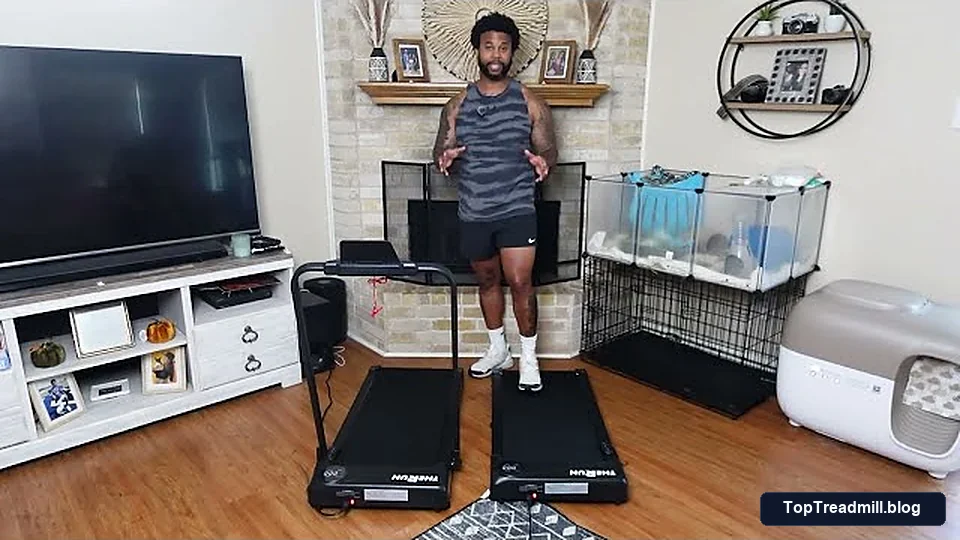
Full-size machines utilize massive steel weldments to absorb continuous high-impact running forces. This heavy engineering prevents frame flex during intense sprinting workouts.
Compact frames utilize light-gauge structural steel and minimalist welded joints to shed pounds, whereas full-size units incorporate heavy extruded aluminum and reinforced crossmembers designed for intense lateral stability.
Engineering compromises on folding mechanisms mean compact models often rely on manual locking pins, while premium full-size alternatives feature hydraulic pistons that ensure smooth, automated deck deployment during setup.
- Compact frames use lightweight tubular steel and composite plastics.
- Full-size units feature welded heavy-gauge steel for structural rigidity.
- Console towers on compact models integrate folding pivot joints.
Structural Materials and Frame Integrity
Material selection directly dictates the structural classification of fitness equipment. Heavy-gauge steel prevents the annoying wobbling common in lightweight walking pads during faster sessions.
Composite plastics reduce total shipping weight but introduce potential stress points over time. Proper gusset reinforcement remains essential for long-term mechanical stability.
- Steel thickness measures above two millimeters on commercial-grade frames.
- Aluminum extrusions provide lightweight durability in folding arms.
Real-World Performance and Motor Capacity
Motor output sets a definitive boundary between casual walking pads and serious running machines. Buyers seeking small footprints should evaluate options featured in our best compact treadmill for running guide.
Full-size treadmills incorporate robust drive motors capable of sustaining high speeds and steep inclines without thermal overload or hesitation.
Walking pads typically house continuous horsepower DC motors ranging from 1.5 to 2.25 CHP, struggling to maintain consistent belt speed under heavy foot strike loads during prolonged running sessions.
Full-size machines leverage robust 3.0 to 4.0 CHP drive systems paired with large flywheel mass to deliver seamless torque, eliminating hesitation during sudden speed transitions or heavy incline climbs.
- Compact motors generally range from 1.5 to 2.5 CHP.
- Full-size drive systems often deliver 3.0 to 4.0 CHP continuously.
- Torque delivery remains smoother under heavier user loads on large units.
Evaluating Horsepower and Torque Delivery
Continuous horsepower ratings indicate how much power a motor sustains during prolonged workouts. Peak horsepower numbers can be misleading for runners.
Flywheel weight complements motor torque to maintain consistent belt speed during foot strikes. Heavy flywheels eliminate hesitation when your foot hits the running surface.
- Flywheels on full-size units weigh between twenty and thirty pounds.
- Compact units use smaller flywheels to save internal cabinet space.
Ergonomics and Deck Mechanics
Running surface dimensions dictate user comfort and biomechanical stride length. Compact treadmills feature shorter belts that accommodate walking strides rather than long running gaits.
Full-size models provide expansive running decks equipped with advanced shock absorption elastomers. These cushioning systems significantly reduce joint impact forces during distance running.
Deck dimensions dictate running safety, with compact variants offering narrow 16 to 18-inch belts that restrict natural arm swing, contrasting sharply with spacious 22-inch widths found on commercial-grade frames.
Shock absorption systems also diverge significantly, as low-profile units use simple elastomeric bumpers, while full-size decks deploy adjustable variable-density cushioning to reduce cumulative impact on lower extremity joints.
- Compact running belts average 40 to 48 inches in length.
- Full-size decks measure 55 to 60 inches for safe running strides.
- Deck cushioning absorbs up to thirty percent of impact shock.
Stride Length and Deck Cushioning Systems
Tall runners require extended deck lengths to prevent kicking the motor cover. A minimum length of fifty-five inches is necessary for safe running ergonomics.
Elastomer cushions protect knees and ankles from repetitive stress injuries. Adjustable firmness levels allow users to customize their running surface feel.
- Elastomer dampeners reduce shock transmission through the frame.
- Shorter walking belts restrict natural running arm and leg extension.
Footprint, Portability, and Storage
Spatial efficiency remains the primary selling point for compact exercise equipment. Many folding designs slide under standard furniture or store vertically against walls.
Full-size machines demand dedicated floor space because their permanent footprints complicate relocation. Folding options exist but still require substantial clearance.
Spatial efficiency defines under-desk pads, which slide easily beneath standard furniture due to a low profile under six inches and integrated transport wheels designed for flat-surface rolling.
Full-size treadmills demand permanent floor planning or dedicated vertical folding clearance, requiring substantial vertical height clearance and robust safety latches to prevent accidental unlatching during upright storage.
- Compact footprints measure roughly five square feet of storage space.
- Full-size units require over fifteen square feet of permanent clearance.
- Transport wheels facilitate movement despite heavier equipment weight.
Vertical Storage Versus Dedicated Workout Rooms
Vertical folding mechanisms allow apartment dwellers to reclaim living areas after workouts. Hydraulic assist pistons make folding and unfolding much safer.
Dedicated workout rooms eliminate the friction of setting up equipment daily. Leaving a full-size machine assembled encourages consistent training habits.
- Hydraulic assist arms prevent sudden drops during folding maneuvers.
- Ceiling clearance must accommodate elevated incline angles.
Maintenance Protocols and Component Longevity
Keeping a treadmill operational requires routine lubrication and belt tension adjustments. Users dealing with limited floor plans can explore models highlighted in our best compact treadmill for small spaces review roundup.
Full-size treadmills offer accessible maintenance ports for lubricating walking belts and tensioning drive mechanisms. This accessibility promotes longer overall machine lifespans.
Routine upkeep varies wildly; compact walking pads often require manual silicone oil lubrication every thirty hours of belt usage because they lack auto-oiler reservoirs.
Full-size equipment frequently integrates automated lubrication systems and heavy-duty multi-ply belts, extending total component lifespan significantly beyond the typical wear limits of budget-friendly designs.
- Silicone lubrication is required every three to six months.
- Drive belts need tension checks to prevent slipping under load.
- Running belts stretch naturally and require periodic lateral alignment.
Belt Lubrication and Electrical Component Care
Friction between the running belt and deck generates heat that degrades materials. Applying pure silicone lubricant reduces friction and extends motor life significantly.
Dust accumulation inside motor compartments can cause overheating and premature electronic failure. Vacuuming internal electronics periodically prevents costly control board repairs.
- Petroleum-based lubricants destroy specialized running belt coatings.
- Control boards require surge protectors to prevent electrical damage.
Electrical Efficiency and Power Delivery
Power consumption varies dramatically between minimalist walking pads and heavy running machines. Compact units plug into standard household outlets without drawing excessive amperage.
Full-size treadmills demand dedicated high-amperage circuits to handle peak electrical loads during rapid acceleration and steep incline adjustments without tripping breakers.
Electrical demands scale with motor size, meaning compact treadmills draw minimal current suitable for standard 15-amp circuits without risking thermal overloads or breaker trips.
Heavy-duty full-size alternatives demand dedicated electrical lines, especially when handling maximum incline loads and high-speed running phases that push peak amperage limits close to maximum thresholds.
- Compact models operate efficiently on standard 15-amp circuits.
- Full-size motors can spike power demands during heavy foot strikes.
- Inverter technology helps manage electrical draw on advanced motors.
Circuit Requirements and Energy Consumption
Running high-draw motors on shared household circuits can cause intermittent power drops. Checking home electrical capacity prevents frustrating circuit breaker interruptions.
Standby power consumption remains low across modern motorized fitness equipment. Unplugging units during extended absences protects sensitive console microprocessors.
- Dedicated circuits prevent electrical interference with other appliances.
- Surge suppression shields sensitive internal logic boards from spikes.
Selecting the Ideal Machine for Your Space
Choosing the right treadmill depends on your primary fitness goals and available room dimensions. Walkers and casual joggers will thrive using models found within our best compact treadmill selections.
Dedicated runners training for marathons must invest in full-size equipment to support high speeds and intense impact forces safely over many miles of training.
Assessing your primary fitness goal remains paramount; choose compact pads if your routine centers on light daily steps and low-intensity walking within shared office environments.
Invest in full-size alternatives if marathon training, interval sprints, or heavy daily mileage require superior structural integrity and advanced ergonomic safety standards.
- Match motor power specifications to your maximum intended workout speed.
- Measure room height clearances to account for maximum incline heights.
- Assess user weight against manufacturer maximum capacity limits.
Matching Equipment Specs to Personal Fitness Goals
Setting realistic expectations prevents buyer remorse when purchasing home fitness gear. Assess whether you genuinely plan on running or simply want to increase daily step counts.
Consulting manufacturer specifications ensures your chosen machine accommodates your height and weight comfortably. Making an informed choice guarantees long-term satisfaction.
- Incorporate user weight buffers into maximum capacity calculations.
- Prioritize deck cushioning if you suffer from joint sensitivity.
Frequently Asked Questions
Can I run safely on a compact treadmill?
Compact models are generally engineered for walking and light jogging due to shorter decks. If you plan to run at speeds exceeding eight miles per hour, a full size treadmill is necessary for safety.
How much floor space do I need for a full size treadmill?
You should allocate a dedicated area measuring roughly three feet wide by six feet long. Additionally, leave at least two feet of clear safety space behind the moving belt for emergency dismounts.
Do compact treadmills require special electrical outlets?
Most compact walking pads operate efficiently on standard household fifteen-amp circuits without modification. However, you should always plug high-powered fitness equipment directly into a wall outlet rather than using extension cords.
How often does a treadmill running belt need lubrication?
You should apply a specialized silicone lubricant underneath the running belt every three to six months. Regular lubrication significantly reduces friction, lowers motor strain, and extends overall component longevity.
Which treadmill type offers better long-term durability?
Full size treadmills feature heavy steel frames and robust commercial motors designed for heavy daily impact. This robust engineering ensures they outlast lighter compact models under intense running routines.